
Guide to Celebrating Christmas Eve in Singapore
Christmas Eve in Singapore is a magical experience filled with vibrant festivities, dazzling light displays, and a blend of traditional and modern celebrations. With its tropical climate and diverse cultural influences, Singapore offers a unique way to enjoy the Christmas season. Whether you're looking to enjoy a cozy dinner, explore festive markets, or partake in live performances, here’s a Singapore flower delivery guide to help you make the most of Christmas Eve in Singapore!
1. Attend a Christmas Eve Service
For those who want to embrace the spiritual side of Christmas, attending a Christmas Eve church service is a lovely way to celebrate.
St. Andrew’s Cathedral
Why: As one of Singapore’s most iconic churches, St. Andrew’s Cathedral holds a beautiful Christmas Eve service, complete with carol singing and candlelight.
What: Join the midnight mass for a serene experience that’s filled with festive hymns and traditional Christian celebrations.
Church of St. Mary of the Angels
Why: This church is known for its beautiful architecture and heartwarming celebrations, with an emphasis on community and family.
What: They offer various services, including a family-friendly Christmas Eve mass with joyful music.
2. Christmas Light Displays and Decorations
Singapore is famous for its extravagant Christmas light displays, with streets, shopping malls, and public spaces adorned in festive decorations. Take a leisurely stroll and soak in the Christmas spirit.
Orchard Road Christmas Light-Up
Why: Orchard Road is a must-visit during Christmas. The entire stretch is lit up with stunning Christmas lights, featuring sparkling decorations, themed displays, and illuminated trees.
What: Take a walk along Orchard Road to enjoy the festivities, snap photos in front of the impressive light displays, and explore the Christmas markets along the way.
Marina Bay Sands Christmas Displays
Why: Marina Bay Sands features a grand Christmas display with a stunning light show and immersive decorations.
What: Don’t miss the festive light projections on the Marina Bay Sands building, and take a stroll around The Shoppes at Marina Bay Sands, where you'll find Christmas-themed installations and a beautiful Christmas tree.
3. Enjoy a Festive Christmas Dinner
Christmas Eve is the perfect time for a luxurious dinner with loved ones. Whether you prefer a traditional Christmas feast or something more unique, Singapore’s dining scene offers a wide array of options.
Traditional Christmas Dinner at Raffles Hotel
Why: Known for its luxurious setting and rich history, Raffles Hotel offers a traditional Christmas Eve buffet with all the trimmings.
What: Indulge in a lavish spread featuring roasted turkey, honey-glazed ham, Christmas pudding, and festive pastries at The Dining Room.
Festive Dinner at Marina Bay Sands
Why: Enjoy a magnificent dinner with stunning views of the city skyline at one of Marina Bay Sands' renowned restaurants.
What: Choose from a variety of dining options, such as CUT by Wolfgang Puck for a decadent steak dinner or Sky on 57 for a fine dining experience with panoramic views of the city.
Christmas Buffet at The Fullerton Hotel
Why: The Fullerton Hotel offers an exquisite Christmas Eve dinner buffet, with fresh seafood, roasted meats, and a dessert selection that includes traditional Christmas sweets.
What: Enjoy the festive atmosphere in the historical surroundings of The Fullerton Hotel, with Christmas carols and a joyous ambiance.
4. Christmas Markets and Festive Shopping
For those who love the Christmas shopping experience, Singapore offers plenty of Christmas markets and pop-up stores to help you find the perfect gift or just enjoy the seasonal atmosphere.
Christmas Wonderland at Gardens by the Bay
Why: One of the most magical Christmas events in Singapore, Christmas Wonderland transforms Gardens by the Bay into a festive wonderland filled with light displays, snow sculptures, and a festive market.
What: Wander through the beautiful light tunnels, explore the European-style Christmas market for handmade gifts, and enjoy Christmas-themed performances and ice skating.
Christmas Markets at Clarke Quay
Why: Clarke Quay is transformed into a Christmas market during the festive season, with stalls selling Christmas goodies, hot chocolate, and handcrafted gifts.
What: Browse the stalls and enjoy a festive drink while soaking in the atmosphere by the river.
5. Experience a Christmas Eve Party or Concert
For those who want to experience the lively side of Christmas Eve, Singapore has plenty of festive events that are perfect for ringing in Christmas with fun and excitement.
Christmas Eve Parties at Clarke Quay
Why: Clarke Quay is known for its vibrant nightlife, and on Christmas Eve, many of the bars and clubs host Christmas-themed parties.
What: Head to The Pump Room or Zouk for a fun-filled night with live music, dancing, and festive cocktails.
Christmas Concerts at the Esplanade
Why: For a more relaxed and cultural experience, attend a Christmas concert at the Esplanade – Theatres on the Bay.
What: The Esplanade often hosts classical Christmas performances, carol concerts, and live music events, making it a great place to enjoy the festive atmosphere.
6. Visit Christmas-Themed Attractions
Several attractions in Singapore embrace the Christmas theme, creating festive experiences that the whole family can enjoy.
Universal Studios Singapore – Christmas Celebration
Why: If you're looking for family-friendly fun, Universal Studios Singapore puts on a spectacular Christmas celebration with festive parades, themed rides, and meet-and-greets with Santa Claus and other holiday characters.
What: Enjoy the park’s Christmas performances, special themed events, and festive photo opportunities with characters like the Minions dressed in Santa outfits.
Singapore Zoo and Night Safari Christmas Special
Why: Celebrate Christmas in the wild with special Christmas-themed events at the Singapore Zoo and Night Safari.
What: Enjoy festive animal-themed shows, meet Santa, and join in the fun at the Night Safari with special Christmas programs.
7. Enjoy a Scenic Christmas Eve Night
For a more intimate celebration, consider enjoying a peaceful evening with loved ones in some of Singapore’s scenic spots.
Singapore Flyer Christmas Night Ride
Why: For a romantic experience, take a ride on the Singapore Flyer, the giant observation wheel, to enjoy the city’s stunning lights and festive decorations from above.
What: Opt for a private capsule experience with a glass of champagne for an extra special touch.
Stroll Along East Coast Park
Why: If you prefer a quieter, more relaxed evening, East Coast Park offers a beautiful, calm setting to enjoy Christmas Eve by the sea.
What: Take a leisurely walk along the beach, have a quiet picnic under the stars, or rent a bike to explore the park.
TOp SG florist guide
Christmas Eve in Singapore is an enchanting experience, whether you’re looking for a traditional Christmas celebration or something more unique and adventurous. From attending midnight masses and enjoying extravagant dinners to shopping at Christmas markets and enjoying festive light displays, there’s no shortage of ways to celebrate this magical night in the Lion City. No matter how you choose to celebrate, Singapore’s festive spirit is sure to make your Christmas Eve unforgettable.
Guide to Christmas Eve Traditions Around the World
Christmas Eve is celebrated with unique customs and cherished rituals in cultures across the globe. While some traditions are rooted in religious observances, others focus on family, food, or community festivities. Here’s a florist guide to how different cultures celebrate Christmas Eve.
1. United States: Stockings and Caroling
Key Traditions: Families hang stockings by the fireplace, anticipating Santa Claus’s visit, and often read “The Night Before Christmas” together. Carolers might go door-to-door singing holiday songs.
Food: Traditional dishes include roasted turkey, glazed ham, eggnog, and cookies for Santa.
Highlight: Candlelight church services and festive gatherings are common ways to end the evening.
2. Mexico: Las Posadas and Piñatas
Key Traditions: Las Posadas, a nine-day reenactment of Mary and Joseph’s search for shelter, culminates on Christmas Eve with prayers, songs, and celebrations.
Food: Tamales, buñuelos, and atole (a traditional hot drink) are staples of the feast.
Highlight: Children break colorful piñatas filled with candy as a symbol of hope and joy.
3. Germany: Advent Wreaths and Christkind
Key Traditions: Families light the final candle on their Advent wreaths and exchange gifts brought by Christkind (Christ Child), not Santa Claus.
Food: Dishes include sausages, potato salad, and traditional cookies like Lebkuchen.
Highlight: Christmas Eve is often quiet and family-centered, emphasizing togetherness.
4. France: Midnight Mass and Le Réveillon
Key Traditions: Families attend midnight mass, followed by Le Réveillon, a lavish Christmas Eve feast.
Food: Goose, oysters, foie gras, and Bûche de Noël (a yule log cake) are popular.
Highlight: Some regions light a large log in the fireplace, a custom dating back centuries.
5. Italy: La Vigilia and Presepe
Key Traditions: Italians celebrate La Vigilia (The Vigil) with a seafood feast and a visit to midnight mass.
Food: The "Feast of the Seven Fishes" includes dishes like fried calamari, clams, and baccalà (salted cod).
Highlight: Presepe (nativity scenes) are elaborately displayed in homes and public squares.
6. Sweden: St. Lucia and Candlelit Celebrations
Key Traditions: The season is marked by St. Lucia processions, with children dressed in white robes and carrying candles to represent light in the darkness.
Food: Treats like saffron buns (Lussekatter) and glögg (mulled wine) are enjoyed.
Highlight: Families gather to light candles and enjoy peaceful time together, often around a festive meal.
7. Japan: Lights and Romance
Key Traditions: In Japan, Christmas Eve is considered a romantic holiday, with couples enjoying dinner dates and exchanging gifts.
Food: Fried chicken (often from KFC) and Christmas cake topped with strawberries and cream are traditional.
Highlight: Streets are adorned with dazzling illuminations, creating a magical atmosphere.
8. Australia: Barbecues and Beach Parties
Key Traditions: Celebrated during summer, Australians enjoy outdoor activities like barbecues, picnics, and beach gatherings.
Food: Seafood, fresh salads, and pavlova (a meringue-based dessert) are popular.
Highlight: Families often sing carols by candlelight in parks or gardens.
9. Philippines: Simbang Gabi and Lanterns
Key Traditions: Christmas Eve, known as Noche Buena, follows nine days of early morning masses (Simbang Gabi) and features vibrant lantern displays.
Food: Families enjoy a midnight feast with dishes like lechon (roast pig), bibingka (rice cake), and puto bumbong (purple rice cake).
Highlight: The star-shaped parol lantern symbolizes the Star of Bethlehem.
10. Poland: Wigilia and Opłatek
Key Traditions: Families gather for Wigilia, a meal that begins when the first star appears. They share Opłatek (a thin wafer) to wish one another good fortune.
Food: The feast includes 12 dishes, symbolizing the apostles, often featuring fish, beet soup, and pierogi.
Highlight: An extra seat is left at the table for an unexpected guest or to honor deceased loved ones.
11. South Africa: Summer Braais
Key Traditions: Like Australia, South Africa’s Christmas Eve is celebrated in the summer, often with braais (barbecues) and outdoor festivities.
Food: Grilled meats, seafood, and fresh fruit are staples.
Highlight: Families gather under the stars for carol singing and festive cheer.
12. Norway: Little Christmas Eve
Key Traditions: In Norway, December 23 is celebrated as Little Christmas Eve, with preparations for the big day including decorating the tree and making traditional foods.
Food: Risgrøt (rice porridge) is a staple, sometimes with an almond hidden inside for a fun family game.
Highlight: Christmas Eve itself often includes exchanging gifts and gathering for church services.
Tips for Experiencing Global Christmas Traditions
Research Local Customs: Understand the cultural significance behind each tradition.
Try Traditional Foods: Each region has its own festive dishes worth tasting.
Join Community Events: Participate in public celebrations like carol singing, masses, or festivals.
Respect Religious Practices: Be mindful of spiritual observances and their meaning.
Embrace the Spirit: Whether through gift-giving, family time, or acts of kindness, focus on spreading joy and goodwill.
Christmas Eve traditions showcase the beauty of cultural diversity and shared human values of love, family, and celebration. Exploring these customs offers a glimpse into how the world unites in the spirit of the season.
Guide on the Best Flowers to Send to Congratulate a New Business Opening

A luxurious bouquet that will ignite your senses and leave you in awe. This enchanting arrangement combines a symphony of vibrant hues, seamlessly blending together to create a stunning visual melody that will captivate any recipient. Blossoms in every shade of the rainbow dance together in perfect unison, radiating elegance and sophistication.
Proceed to checkout to choose a Delivery Date and write a Message Card.
Flower variety may differ according to seasonality, but will always be of similar style, quality and value.
This bouquet is available in four sizes:
:: Small bouquet measures approximately 25cm in diameter
:: Medium bouquet measures approximately 30cm in diameter
:: Large bouquet measures approximately 35cm in diameter
:: Extra Large bouquet measures approximately 40cm in diameter
Image represents Extra Large size
You can add a glass vase to your order here
Sending flowers to congratulate someone on the opening of a new business is a thoughtful and elegant gesture. Flowers symbolize success, prosperity, and well wishes, making them an ideal choice for celebrating a new venture. However, certain flowers are particularly suited for this occasion, each carrying specific meanings that can convey your good intentions and support.
Here’s a SG flower shop guide to help you choose the best flowers for congratulating someone on their new business opening:
1. Orchids: Elegance and Luxury
Meaning: Orchids are often associated with elegance, strength, and luxury. They represent beauty and rare achievement, making them perfect for a new business that has taken great effort to launch.
Why Choose Orchids: These flowers symbolize sophistication and success, which makes them a great choice for a business that aims to thrive in a competitive market. Orchids also have a long shelf life, so they will remind the recipient of your congratulations for an extended period.
Best For: High-end businesses, art galleries, spas, boutiques, and corporate ventures aiming to project an image of luxury and exclusivity.
2. Sunflowers: Optimism and Positivity
Meaning: Sunflowers symbolize happiness, positivity, and a bright future. They are vibrant and uplifting flowers that bring energy and good vibes, making them ideal for marking the start of a new business.
Why Choose Sunflowers: Sending sunflowers to congratulate someone on a new business opening conveys a message of optimism and hope for a prosperous future. These flowers also represent the bright path ahead, full of potential.
Best For: Small businesses, local shops, startups, cafes, and any business that reflects a friendly, approachable, and warm atmosphere.
3. Lilies: Prosperity and Success
Meaning: Lilies are often associated with abundance, prosperity, and renewal. They represent purity and success, making them a classic choice for any occasion that celebrates a new beginning.
Why Choose Lilies: Lilies are elegant and sophisticated, symbolizing both beauty and growth. Their association with prosperity makes them ideal for a new business, symbolizing that the venture will flourish.
Best For: Businesses in industries such as hospitality, wellness, design, or any venture looking to convey elegance and prosperity.
4. Roses: Gratitude and Achievement
Meaning: Roses are versatile flowers, each color carrying its own symbolism. Red roses symbolize respect and admiration, yellow represents friendship and joy, and white signifies new beginnings and purity.
Why Choose Roses: A bouquet of mixed roses can convey heartfelt congratulations and appreciation for the hard work and achievement involved in opening a new business. Red or yellow roses are especially fitting for celebrating success and a bright future.
Best For: Businesses with a personal touch, such as family-owned ventures, service-oriented businesses, or any entrepreneur who appreciates thoughtful gestures.
5. Carnations: Love and Pride
Meaning: Carnations represent admiration, love, and pride. Their robust appearance and long-lasting nature make them a popular choice for celebrating important milestones.
Why Choose Carnations: Carnations are versatile, affordable, and available in a wide range of colors, making them an excellent choice for any business. Their symbolism of pride and admiration is perfect for showing how proud you are of the recipient's achievement.
Best For: Small and medium-sized businesses, startups, or any company celebrating its first steps into the business world.
6. Gerbera Daisies: Cheer and Fresh Beginnings
Meaning: Gerbera daisies symbolize cheerfulness, innocence, and purity. Their bright, vivid colors bring joy and positivity, making them an excellent choice to celebrate new ventures and fresh starts.
Why Choose Gerbera Daisies: Sending a bouquet of gerbera daisies conveys an enthusiastic, optimistic message, perfect for supporting a new business in its early days.
Best For: Creative businesses, design firms, tech startups, and any business that prides itself on being energetic, innovative, and dynamic.
7. Tulips: Perfect Love and Prosperity
Meaning: Tulips represent perfect love, elegance, and prosperity. They are associated with fresh beginnings and are often used to mark special events like grand openings and new projects.
Why Choose Tulips: Tulips have a clean, fresh aesthetic and represent an optimistic start. Their rich history and symbolism of new beginnings make them ideal for congratulating someone on opening a new business.
Best For: Corporate offices, retail spaces, or any business that is focused on growth and new opportunities.
8. Peonies: Good Fortune and Prosperity
Meaning: Peonies symbolize good fortune, prosperity, and new beginnings. They are often associated with abundance and are considered a symbol of wealth and good luck in many cultures.
Why Choose Peonies: Peonies make an eye-catching and luxurious bouquet. Their meaning of prosperity and good fortune is perfect for someone starting a new business, signaling that success and abundance will follow.
Best For: High-end retailers, restaurants, spas, or any business that aims to project an image of success and luxury.
9. Chrysanthemums: Longevity and Happiness
Meaning: In many Asian cultures, chrysanthemums represent longevity and happiness, making them a popular choice for business-related events. They symbolize dedication and a prosperous future.
Why Choose Chrysanthemums: Chrysanthemums are robust flowers that last a long time, making them a meaningful gift for a new business. They also symbolize longevity, which can be seen as wishing the business long-lasting success.
Best For: Businesses that value tradition and longevity, such as family-owned businesses, or those in the food and beverage industry.
10. Calla Lilies: Refinement and Success
Meaning: Calla lilies represent elegance, beauty, and success. They are often used in luxury and high-end contexts due to their refined and sophisticated appearance.
Why Choose Calla Lilies: Calla lilies convey a message of elegance and success, making them an ideal choice for congratulating a business owner with refined tastes. Their sleek appearance symbolizes the growth and flourishing of the new business.
Best For: Luxury businesses, event planning companies, or any entrepreneur looking to make a statement of sophistication and success.
Tips for Sending Flowers to a New Business Opening
Consider the Business Type: Choose flowers that match the tone and aesthetic of the business. For example, a creative agency might appreciate bright gerbera daisies, while a high-end boutique may prefer elegant orchids or lilies.
Personalize the Message: Along with the flowers, include a thoughtful note to convey your congratulations and well wishes for the business’s success.
Choose Fresh, Long-Lasting Blooms: When sending flowers to a new business, it’s important to select flowers that will last, especially if the flowers will be on display for a while.
Pay Attention to the Arrangement: Opt for arrangements that are appropriate for the workspace. Avoid overly fragrant flowers if the business is in a small or enclosed space, as some scents can be overwhelming.
Best SIngapore florist tips
Sending flowers to congratulate someone on the opening of a new business is a timeless and meaningful way to show your support. By selecting flowers with the right symbolism—whether it’s optimism, prosperity, or success—you can convey your heartfelt congratulations and wish the new business owner a bright future ahead. Consider the business’s industry, aesthetic, and values when choosing the best flowers, and be sure to pair them with a personalized note to add an extra touch of warmth and thoughtfulness.
Guide: Combining Floristry and Interior Design
Floristry and interior design are natural partners, as both involve aesthetics, harmony, and the art of creating spaces that inspire and soothe. By blending these passions, you can elevate interiors with floral artistry, transforming any room into a vibrant, welcoming haven. Here’s a guide to integrate floristry and interior design effectively.
1. Understanding the Synergy Between Floristry and Interior Design
Color Coordination
Both floristry and interior design rely on a keen sense of color harmony. Flowers can complement or contrast with a room’s palette to create depth and visual interest.Texture and Layers
Flowers and greenery add texture and dimensionality to interior spaces, balancing hard surfaces like furniture and walls.Mood Setting
Floral arrangements can enhance the atmosphere of a room, from energizing bright spaces to softening intimate corners.Seasonal Refreshes
Flowers offer a simple way to update interiors for changing seasons or occasions, making spaces feel dynamic and fresh.
2. Incorporating Floristry Into Interior Design
A. Choosing the Right Flowers for Your Space
Living Rooms
Use bold, statement flowers like lilies, hydrangeas, or sunflowers.
Match arrangements to cushions, rugs, or art for cohesion.
Opt for large vases to create focal points on coffee tables or mantels.
Bedrooms
Incorporate calming flowers like lavender, roses, or eucalyptus for a restful atmosphere.
Place small arrangements on nightstands for a personal touch.
Kitchens and Dining Areas
Use aromatic flowers or herbs (e.g., basil, thyme, or mint) to complement the culinary setting.
Create a centerpiece with fresh blooms for dining tables.
Bathrooms
Add small, humidity-tolerant arrangements (e.g., orchids, ferns, or succulents) to elevate the spa-like feel.
Use narrow vases for countertops or shelves.
Home Offices
Include flowers like daisies or succulents that promote focus and positivity.
Arrange minimalist designs to avoid visual clutter.
B. Styling Techniques
Statement Arrangements
Large, dramatic arrangements can serve as artwork in minimalist spaces.Repetition for Cohesion
Use matching arrangements throughout different rooms to tie the overall design together.Layering with Accessories
Pair floral arrangements with candles, books, or decorative trays for a styled look.Use of Negative Space
Avoid overcrowding by placing arrangements strategically, leaving room for other design elements.
3. Key Elements to Balance Floristry and Interior Design
A. Color Coordination
Complementary Colors: Match floral colors with the room’s dominant hues for harmony.
Contrasting Colors: Use flowers in bold, contrasting shades to create vibrancy.
Seasonal Palettes: Adjust arrangements to reflect seasonal tones (e.g., pastels in spring, warm tones in autumn).
B. Scale and Proportion
Ensure arrangements are proportionate to the furniture or space:
Tall arrangements for high ceilings.
Small, compact designs for tight spaces.
C. Containers and Vessels
Material Matters: Use containers that match the room’s design style (e.g., glass for modern interiors, ceramic for rustic designs).
Color Coordination: Choose vases that align with the room’s color palette.
Creative Alternatives: Experiment with non-traditional vessels like vintage teapots, jars, or baskets.
4. Floristry and Interior Design Themes
A. Modern Minimalism
Use monochromatic arrangements or single-species bouquets for a clean, minimalist look.
Pair with sleek, geometric vases.
B. Rustic Charm
Incorporate wildflowers, dried grasses, or seasonal blooms.
Use earthy, textured containers like terracotta pots or wooden crates.
C. Bohemian Aesthetic
Create loose, free-flowing arrangements with vibrant colors and diverse textures.
Complement with macramé hangers or eclectic vases.
D. Classic Elegance
Opt for traditional flowers like roses or peonies in soft hues.
Arrange in ornate or crystal vases for a luxurious touch.
E. Nature-Inspired Themes
Use greenery and foliage-heavy arrangements to mimic natural settings.
Incorporate moss, branches, or stones for a grounded, organic feel.
5. Tips for Seamlessly Blending Floristry and Interior Design
Seasonal Changes
Rotate flowers to match seasonal themes (e.g., poinsettias for winter, tulips for spring).Consider Room Lighting
Bright, sunlit rooms work well with fresh flowers.
Low-light areas may benefit from dried arrangements or preserved flowers.
Experiment with Placement
Hang floral arrangements as wall art or from the ceiling.
Use tall arrangements to frame mirrors or windows.
Focus on Sustainability
Use locally sourced or seasonal flowers.
Incorporate reusable vessels and upcycle materials for arrangements.
6. Combining Floristry and Interior Design as a Career
Services to Offer
Floral design for staged homes or interior redesigns.
Seasonal floral updates for luxury residences or businesses.
Workshops on how to style flowers in interiors.
Collaboration Opportunities
Partner with interior designers, event planners, or real estate agents.
Work with sustainable florists or garden centers to source eco-friendly materials.
Portfolio Ideas
Showcase before-and-after transformations of rooms styled with flowers.
Create thematic floral interiors (e.g., seasonal, color-based, or cultural styles).
7. Tools for Success
Floristry Supplies: Clippers, floral foam, wire, and conditioning tools.
Design Software: Use mood boards or 3D design tools to visualize floral arrangements in interiors.
Education: Take courses in floristry and interior design to refine skills.
By integrating floristry into interior design, you can create stunning, dynamic spaces that uplift and inspire. Whether for personal enjoyment or as a professional service, this combination allows for endless creativity and beauty.
A Guide to Flowers: A Botanical Scientist's Perspective
Flowers are one of the most fascinating and diverse structures in the plant kingdom, serving not only as a cornerstone of plant reproduction but also as vital components of ecological systems. As a botanical scientist, understanding the intricate details of flowers involves delving into their anatomy, evolution, ecological interactions, and their significance to biodiversity.
1. The Role of Flowers in Plant Reproduction
Flowers are specialized reproductive organs of angiosperms (flowering plants). Their primary function is to facilitate sexual reproduction through the production of gametes, pollination, and seed formation. The reproductive strategy often includes:
Pollination: Transfer of pollen from the male anther to the female stigma, facilitated by biotic agents (insects, birds, mammals) or abiotic factors (wind, water).
Fertilization: Fusion of male and female gametes, leading to seed and fruit development.
2. Anatomy of a Flower
A typical flower consists of four main parts:
Sepals (Calyx): Protect the flower bud before it opens.
Petals (Corolla): Often colorful and fragrant, petals attract pollinators.
Stamens (Androecium): The male reproductive part, comprising the anther and filament.
Carpels (Gynoecium): The female reproductive structure, including the stigma, style, and ovary.
Flowers can be classified as complete (containing all four parts) or incomplete (missing one or more parts).
3. Diversity of Floral Morphology
The diversity of flowers is a result of evolutionary adaptations to specific ecological niches. Variations include:
Symmetry: Flowers may exhibit radial (actinomorphic) or bilateral (zygomorphic) symmetry.
Coloration: Pigments such as anthocyanins and carotenoids determine petal colors, which often serve as cues for pollinators.
Nectar Guides: Patterns visible under ultraviolet light guide pollinators to nectar and pollen.
4. Pollination Biology
Understanding the intricate relationship between flowers and pollinators is essential for comprehending plant ecology and evolution:
Coevolution: Many flowers and pollinators have co-evolved, leading to specialized traits such as long corolla tubes for hummingbirds or nocturnal flowering for bats.
Pollinator Syndromes: Floral traits often correlate with specific pollinators. For example:
Bright red flowers with tubular shapes attract birds.
Sweet-smelling, white flowers attract moths.
5. Ecological and Environmental Significance
Flowers play a pivotal role in maintaining ecosystems:
Biodiversity Hotspots: Flowering plants are the backbone of terrestrial biodiversity, supporting numerous animal species.
Carbon Cycling: As primary producers, flowering plants are integral to carbon fixation.
Habitat Restoration: Native flowers are often used in ecological restoration projects.
6. Human Uses and Applications
Flowers are not only ecologically significant but also culturally and economically important:
Horticulture: Flowers are cultivated for their aesthetic appeal.
Medicine: Many flowers produce bioactive compounds with medicinal properties (e.g., chamomile, calendula).
Food and Agriculture: Flowers like saffron and elderflower are directly consumed, while others are crucial in pollinating crops.
7. Research Challenges and Opportunities
Botanical scientists face challenges such as:
Habitat Loss: Urbanization and agriculture threaten natural floral habitats.
Climate Change: Altered flowering times and pollinator behaviors disrupt ecological balance.
Conservation: Efforts are needed to preserve native and endangered flower species.
Emerging fields like floral genomics and bioinformatics provide tools for understanding flower development and adaptation, offering opportunities for innovation in conservation and agriculture.
8. The Beauty of Flowers: A Scientific Appreciation
While flowers are admired for their beauty, their true marvel lies in their complexity and ecological roles. As botanical scientists, we strive to unravel the secrets of flowers, ensuring their conservation and continued contribution to Earth's biodiversity.
This scientific approach deepens our appreciation for the floral world and underscores the need to protect these extraordinary structures that sustain life on our planet.
A Guide to the Best Florist Tips for Keeping Your Flowers Blooming Longer
When you receive or gift fresh flowers, it's important to know how to care for them to ensure they stay vibrant and beautiful for as long as possible. Florists have years of experience in flower care, and in this guide, we’ll share the best tips to help your flowers last longer, from the moment they arrive until they start to fade.
1. Trim the Stems Immediately
Why it works: When flowers are cut, the stems begin to form air bubbles that prevent them from absorbing water properly. Trimming the stems allows the flowers to take in water more effectively.
How to do it: Use sharp scissors or pruning shears to cut at least one inch off the bottom of each stem at a 45-degree angle. This helps maximize the surface area for water absorption.
Tip: Trim the stems under water if possible to prevent air bubbles from forming.
2. Change the Water Regularly
Why it works: Fresh flowers need clean water to stay hydrated and nourished. Stagnant water can harbor bacteria, which shortens the life of your flowers.
How to do it: Replace the water every two days. Be sure to rinse the vase thoroughly to remove any bacteria before refilling it with fresh water.
Tip: Add flower food to the water each time you change it. Flower food contains nutrients and antibacterial agents to keep flowers fresh.
3. Remove Wilted or Dead Flowers
Why it works: Dead or wilting flowers can release ethylene gas, which accelerates the aging process of other flowers in the arrangement.
How to do it: Regularly check for any flowers or leaves that are wilting or browning, and remove them gently to prevent them from contaminating the rest of the bouquet.
Tip: Be sure to remove any leaves that are submerged in the water to avoid bacterial growth.
4. Keep Flowers Away from Direct Sunlight and Heat
Why it works: Flowers are sensitive to heat and sunlight, which can cause them to wilt faster.
How to do it: Place your flowers in a cool, shaded spot. Avoid areas like windowsills where they may be exposed to direct sunlight, and keep them away from appliances or electronics that generate heat.
Tip: Ideal spots include counters, tables, or anywhere that doesn’t receive direct sunlight.
5. Use the Right Vase and Water
Why it works: The type of vase and water you use can make a significant difference in the lifespan of your flowers.
How to do it: Use a clean, preferably tall vase that allows the flowers to stand up straight. Make sure the vase is filled with room-temperature water and, if needed, a packet of floral preservative.
Tip: If you don’t have flower food, you can use a homemade solution of 1 teaspoon of sugar and 2 teaspoons of white vinegar mixed into a liter of water.
6. Keep Flowers Away from Fruit
Why it works: Many fruits release ethylene gas, which speeds up the blooming process and can cause flowers to age faster.
How to do it: Avoid placing flowers near fruit bowls, especially bananas, apples, or pears, which are particularly high in ethylene.
Tip: Store fruits in a separate area to ensure your flowers last longer.
7. Use Floral Preservatives
Why it works: Floral preservatives contain sugar and biocides that nourish flowers and keep the water clean.
How to do it: Add the floral preservative packet that often comes with the flowers to the water. Follow the directions on the packet for the right ratio of water to preservative.
Tip: If you run out of floral preservative, you can create your own by mixing 1 teaspoon of sugar, 1 teaspoon of bleach, and 1 teaspoon of lemon juice into 1 liter of water.
8. Keep Flowers in a Cool Location
Why it works: Flowers last longer when they are kept cool, as warmth can cause them to wilt prematurely.
How to do it: Place flowers in a cool room, ideally at temperatures between 18-22°C (65-72°F). Avoid placing them near heat sources like radiators, stoves, or even air conditioners, as drastic temperature changes can stress the flowers.
Tip: During particularly hot days, you can extend the lifespan of your flowers by putting them in a cooler spot at night.
9. Avoid Overcrowding
Why it works: Overcrowding flowers in a vase can restrict airflow and water absorption, leading to premature wilting.
How to do it: Arrange your flowers so that each stem has space to spread out. This ensures better hydration and allows them to breathe.
Tip: If the arrangement looks too crowded, carefully remove some stems or rearrange the bouquet to avoid compacting them.
10. Recut Stems Every Few Days
Why it works: As flowers absorb water, the ends of their stems can become clogged, which inhibits water uptake. Trimming the stems regularly ensures the flowers continue to drink properly.
How to do it: Every 3 to 4 days, recut the stems by about one inch and rechange the water. This ensures the flowers are continually receiving fresh water.
Tip: Always cut stems at a 45-degree angle to prevent them from sitting flat on the bottom of the vase.
11. Avoid Sticking Flowers in Ice Water
Why it works: Cold temperatures can damage the delicate flower cells, causing them to wilt more quickly.
How to do it: Always use room-temperature water for your flowers, as extreme temperatures can stress them.
Tip: If you want to cool down the water, add ice cubes instead of sticking the flowers in ice water directly.
12. Spray Flowers with Water
Why it works: Mist spraying flowers with water helps maintain humidity, especially for species that thrive in a more humid environment.
How to do it: Use a gentle spray bottle to lightly mist the petals and leaves once a day, especially for flowers like orchids, lilies, and tropical plants.
Tip: Be careful not to over-spray, as too much moisture on petals can cause mold or mildew growth.
With the right care, flowers can brighten your home and last much longer. By following these florist tips—such as trimming stems, changing water regularly, and keeping flowers away from heat and fruit—you can extend the life of your blooms and enjoy their beauty for days. Whether you’re gifting flowers or enjoying them yourself, these simple steps ensure your arrangements stay fresh and vibrant for as long as possible. https://www.hk-florist.org/hk-florist-directory
Where to forage wild flowers in Singapore
Here’s a SG flower delivery guide to the best places to forage for wildflowers in Singapore! Singapore, known as the "Garden City," is home to lush greenery, diverse plant species, and beautifully maintained natural spaces where wildflowers thrive. Whether you're a nature lover, botanist, or photographer, this guide will help you find Singapore's best spots for observing and foraging wildflowers responsibly.
1. Dairy Farm Nature Park
Location: Upper Bukit Timah Road
Highlights:
Dairy Farm Nature Park offers forested areas and open spaces, making it an excellent spot for encountering wildflowers like Buttercup plants, Lantana, and Begonias.
Take the Wallace Trail, where you’ll spot various native flora and lowland forest plants flourishing along the path.
Look out for tiny wildflowers on the ground, such as the Blue Spiderwort (Commelina diffusa).
Tip: The park's rustic environment makes it perfect for quiet, early-morning foraging trips.
2. Singapore Botanic Gardens (Learning Forest & Rain Forest Trail)
Location: 1 Cluny Road
Highlights:
A UNESCO World Heritage Site, the Botanic Gardens features vast areas where wildflowers thrive naturally.
Explore the Rain Forest Trail for native species like the Ixora, Simpoh Air (Dillenia suffruticosa), and Melastoma malabathricum (Singapore Rhododendron).
The Learning Forest has pathways surrounded by small flowering plants such as Yellow Creeping Daisy and ornamental grasses.
Tip: Forage ethically by observing, photographing, and learning about the flowers without damaging them.
3. Bukit Timah Nature Reserve
Location: Hindhede Drive
Highlights:
This reserve is one of Singapore’s most significant and oldest rainforests, rich with wildflower species and native plants.
Look for Wild Gingers, Rattan palms, and small flowering shrubs growing along the hiking trails.
Lower elevations are home to colorful ground-dwelling plants like Balsams (Impatiens sp.) and delicate ferns.
Tip: Early mornings or just after rain provide the best chances to see wildflowers in bloom.
4. Sungei Buloh Wetland Reserve
Location: Kranji Way
Highlights:
Known for its mangroves and wetlands, Sungei Buloh is home to unique wildflowers and plants adapted to brackish environments.
Along the reserve’s trails, you'll find small flowers like Sea Hibiscus (Talipariti tiliaceum) and mangrove flowers like Lumnitzera racemosa.
The observation decks provide sweeping views of flowering mangroves in bloom.
Tip: Be mindful of the wetlands' delicate ecosystems—stick to designated paths.
5. Coney Island (Pulau Serangoon)
Location: Off Punggol Promenade Nature Walk
Highlights:
Coney Island is a rustic coastal park with sandy trails and grasslands where wildflowers grow abundantly.
Common finds include Yellow Creeping Daisy, Bidens pilosa, and wild Ixora flowers along the forest edges.
Visit the coastal areas to spot flowering plants like Beach Morning Glory (Ipomoea pes-caprae).
Tip: Bring a hat and water since the trails are open and sunny.
6. Tampines Eco Green
Location: Tampines Avenue 9
Highlights:
Tampines Eco Green is an underrated park with open fields, wetlands, and forest trails where wildflowers bloom year-round.
Look for Singapore Daisy (Sphagneticola trilobata) and flowering grasses such as Purple Fountain Grass.
The park’s eco-friendly design makes it ideal for birdwatching and observing flowers undisturbed.
Tip: Bring a camera to capture wildflowers growing in their natural state.
7. Chestnut Nature Park
Location: Chestnut Avenue
Highlights:
As Singapore’s largest nature park, Chestnut Nature Park has abundant wildflowers along its trails, including flowering shrubs, ferns, and orchids.
Look out for vibrant species like the Lantana camara and native flowering climbers in forested areas.
The park has designated biking and hiking trails, making it an excellent place for a day of foraging and nature exploration.
Tip: Visit during the dry season for easier trail navigation.
8. Kranji Countryside
Location: Northwest Singapore (near Kranji MRT)
Highlights:
The Kranji Countryside offers sprawling fields and farms where wildflowers thrive naturally alongside cultivated plants.
Look for Balsam flowers, Butterflies-attracting plants, and flowering herbs growing in open areas.
The countryside has fewer crowds, offering a peaceful foraging experience.
Tip: Combine your wildflower exploration with visits to nearby farms like Bollywood Veggies for a full nature experience.
9. Lower Peirce Reservoir Park
Location: Old Upper Thomson Road
Highlights:
The reservoir park’s forested edge and walking trails are lined with lowland plants and wildflowers like Singapore Rhododendron and Begonias.
Stop at the boardwalk to see water-tolerant flowering plants, including Hanguana species, growing near the reservoir.
Tip: Visit during sunset or sunrise for a picturesque view of wildflowers against the water.
Responsible Foraging Tips:
Respect Nature: Never pick or uproot wildflowers. Leave them for others to enjoy and for the ecosystem to thrive.
Stay on Trails: Stick to designated paths to avoid damaging sensitive habitats.
Learn and Identify: Use apps like Seek or iNaturalist to identify wildflowers and expand your knowledge.
Take Only Pictures: Foraging for wildflowers in Singapore often means observing and appreciating them without taking them home.
Timing Matters: Visit during early mornings when wildflowers are often in bloom and light is perfect for photography.
With this Singapore florist guide, you’ll be ready to explore Singapore’s best locations for discovering wildflowers. https://www.hk-cityguide.com/expat-guide/hk-best-florists Enjoy the beauty of nature responsibly and immerse yourself in the biodiversity that Singapore has to offer.
母親節歷史指南
An enchanting ensemble of delicate blooms that evoke an ethereal symphony of colours and fragrances. This captivating arrangement features an assortment of pastel-hued seasonal flowers, meticulously hand-picked to convey a sense of timeless elegance and grace. Each stem is artfully arranged to showcase the natural beauty of the flowers, creating a harmonious composition that indulges the senses. Soft pinks, creamy whites, and gentle lavenders dance together in perfect balance, exuding a serene and romantic aura that is simply mesmerizing.
Proceed to checkout to choose a Delivery Date and write a Message Card.
Flower variety may differ according to seasonality, but will always be of similar style, quality and value.
This bouquet is available in four sizes:
:: Small bouquet measures approximately 25cm in diameter
:: Medium bouquet measures approximately 30cm in diameter
:: Large bouquet measures approximately 35cm in diameter
:: Extra Large bouquet measures approximately 40cm in diameter
Image represents Large size
You can add a glass vase to your order here
母親節(Mother's Day)是一個向母親表達感恩與愛意的節日,這一日子在全球各地有不同的起源與慶祝方式。本文將回顧母親節的歷史演變,並探討其在不同文化中的發展與意義。
一、母親節的起源
1. 古代文化的母親崇拜
古埃及:
母親節的最早雛形可以追溯到古埃及,當地人崇拜象徵母性與生命的女神 伊希斯 (Isis),舉行祭祀儀式來表達敬意。古希臘與羅馬:
古希臘人將春季慶典獻給 瑞亞 (Rhea),她是眾神之母,被視為母親的象徵。羅馬人則慶祝 Cybèle,她是另一位象徵母性與大地的女神。
2. 基督教影響
在歐洲中世紀,基督徒會在四旬期的第四個星期日慶祝 Mothering Sunday,這是一個向母親和教會表達感恩的日子。
二、現代母親節的誕生
1. 美國母親節的誕生
現代母親節的由來可追溯到美國的 安娜·賈維斯 (Anna Jarvis),她是現代母親節的發起人。
安娜的母親影響:
安娜的母親 安·賈維斯 (Ann Reeves Jarvis) 是一位社會活動家,曾在美國南北戰爭期間組織「母親友誼日」,希望促進社會和解。安娜的努力:
1907 年,安娜為紀念母親,首次舉辦了母親節活動。她希望這一天成為讓子女表達對母親感激之情的日子。官方認可:
1914 年,美國總統伍德羅·威爾遜正式簽署決議,將 5 月的第二個星期日 定為全國性的母親節。
2. 母親節的全球傳播
母親節的概念迅速傳播至世界各地,並融入不同文化。例如:
中國: 母親節開始於 1980 年代,現已成為一個深受歡迎的節日,通常以康乃馨象徵母愛。
日本: 母親節(母の日)於昭和時代引入,起初為慶祝皇后誕辰,如今則是向母親表達感謝的節日。
歐洲: 英國的 Mothering Sunday 漸漸被現代母親節影響,但仍保留了宗教色彩。
三、母親節的象徵與傳統
1. 花卉的象徵
康乃馨:
康乃馨是母親節的象徵花卉,因安娜·賈維斯在第一個母親節上分發白色康乃馨以紀念母親。白色康乃馨: 紀念已故母親。
紅色康乃馨: 表達對在世母親的感激與愛意。
其他花卉:
除了康乃馨,不同地區也會使用玫瑰、百合或雛菊來表達母愛。
2. 禮物與活動
母親節通常通過贈送卡片、花束、禮物、或舉辦家庭聚餐來慶祝。
現代母親節還延伸至為女性長輩如祖母、養母甚至老師表達感謝。
四、母親節的文化與批評
1. 商業化的影響
自母親節成為法定節日後,其商業潛力被迅速開發。賣花、卡片和禮物的行業使其成為一個盈利性節日。
安娜·賈維斯本人對母親節的過度商業化深感不滿,並試圖呼籲回歸最初的意義,但未能成功。
2. 全球化與文化融合
母親節在全球範圍內被重新詮釋。儘管表達感激之情的核心未變,但慶祝形式因地而異。
五、現代母親節的意義
母親節已不僅僅是表達對生母的感謝之日,更是慶祝所有女性養育之恩的節日。它提醒我們關注母親角色的重要性,也呼籲更多支持母親健康、教育與社會地位的行動。
母親節歷史悠久,從古代的母親崇拜到現代的感恩日,這一天傳遞了對女性、家庭和愛的深刻敬意。無論透過一束花、一句話,還是一個擁抱,母親節都是表達感謝與愛意的最好機會。
Flower Care Guide for Different Flower Varieties

Overwhelmed by the choice of bouquets? Looking for a stunning original creation that will be a delightful surprise? Then look no further than our Florist’s Choice Bouquet. Crafted by your master florists using the best of the flowers delivered from our growers on the day, the blooms will be something sure to make your occasion unique and one to remember.
Proceed to checkout to choose a Delivery Date and write a Message Card.
Flower variety will differ according to seasonality, so our Florist’s Choice Bouquet will be different in flower variety, colour and style from the photograph, but will always feature stems of the same quality and value.
This bouquet is available in four sizes:
:: Small bouquet measures approximately 25cm in diameter
:: Medium bouquet measures approximately 30cm in diameter
:: Large bouquet measures approximately 35cm in diameter
:: Extra Large bouquet measures approximately 40cm in diameter
Image represents Extra Large size
You can add a glass vase to your order here
Flowers are a timeless way to bring beauty and life into your space, but they require proper care to maintain their freshness and vibrancy. Different flowers have unique needs, so understanding how to care for each type ensures they look their best for as long as possible. Here's a comprehensive Singapore florist guide to caring for popular flower varieties.
1. Roses
Water: Use room-temperature water, and change it daily to keep it fresh.
Stem Care: Cut stems at a 45° angle under running water to improve water uptake. Remove leaves below the waterline to prevent bacterial growth.
Placement: Keep roses away from direct sunlight, drafts, and heat sources.
Additional Tips: Remove the outer "guard petals" to reveal fresh, vibrant layers underneath.
2. Tulips
Water: Use cold water and refresh it every day.
Stem Care: Cut stems straight across rather than at an angle, as tulips continue to grow in the vase.
Placement: Tulips thrive in a cool environment with indirect light. Avoid placing them near heat or direct sunlight.
Additional Tips: Use a tall vase to support their long, delicate stems.
3. Lilies
Water: Fill the vase with room-temperature water and replace it every 2–3 days.
Stem Care: Trim stems at a 45° angle and remove any leaves that might sit in the water.
Placement: Place lilies in indirect light to encourage gradual blooming.
Additional Tips: Remove pollen from the stamens to prevent staining and prolong the flowers’ lifespan.
4. Sunflowers
Water: Use room-temperature water and refresh it every 1–2 days.
Stem Care: Cut stems at an angle and remove all foliage below the waterline.
Placement: Keep sunflowers in a well-lit area but out of direct sunlight.
Additional Tips: Support heavy sunflower heads with a tall vase, and avoid placing them near fruits, as they are sensitive to ethylene gas.
5. Hydrangeas
Water: Use warm water and mist the blooms daily to keep them hydrated.
Stem Care: Cut stems at an angle and split or crush the ends slightly to improve water absorption.
Placement: Keep hydrangeas in a cool spot away from direct sunlight or heat.
Additional Tips: If they wilt, submerge the heads in water for 30 minutes to revive them.
6. Carnations
Water: Use room-temperature water and change it every 2–3 days.
Stem Care: Trim stems at an angle and strip any leaves below the waterline.
Placement: Carnations are hardy and can thrive in a variety of conditions, but avoid overcrowding them in a vase.
Additional Tips: Use flower food to maximize their longevity.
7. Peonies
Water: Use room-temperature water and change it every 1–2 days.
Stem Care: Trim stems at a 45° angle and remove excess foliage.
Placement: Place peonies in a cool spot to slow blooming and prolong freshness.
Additional Tips: Peonies often arrive as tight buds; let them open naturally in indirect light.
8. Orchids
Water: Use shallow water in the vase, just enough to cover the stem ends.
Stem Care: Cut stems straight across for maximum water uptake.
Placement: Orchids prefer high humidity and indirect sunlight.
Additional Tips: Mist the flowers lightly and use orchid-specific food if available.
9. Gerbera Daisies
Water: Use cold water and refresh it daily. Keep the water level low to prevent stem rot.
Stem Care: Cut stems at an angle and ensure the vase is clean to prevent bacterial growth.
Placement: Avoid direct sunlight and excessive heat.
Additional Tips: Use a flower frog or grid to keep stems upright.
10. Chrysanthemums
Water: Use room-temperature water and change it every 2–3 days.
Stem Care: Trim stems at an angle and remove any foliage below the waterline.
Placement: Chrysanthemums are long-lasting and hardy, thriving in a variety of light conditions.
Additional Tips: Use flower food to enhance their longevity.
11. Sweet Peas
Water: Use room-temperature water and replace it daily.
Stem Care: Cut stems at an angle and strip leaves below the waterline.
Placement: Keep sweet peas in a cool area away from direct sunlight.
Additional Tips: These delicate flowers have a shorter lifespan, so enjoy them while they last.
12. Gladiolus
Water: Use warm water and replace it every 2 days.
Stem Care: Trim stems at an angle and remove lower leaves.
Placement: Place gladiolus in a tall vase for support, keeping them in indirect light.
Additional Tips: Cut the stems every few days to encourage better water uptake.
13. Dahlias
Water: Fill the vase with warm water and refresh it daily.
Stem Care: Cut stems at a 45° angle and remove leaves below the waterline.
Placement: Avoid direct sunlight and heat to keep dahlias fresh.
Additional Tips: Re-cut the stems every few days to maximize hydration.
Final Tips for All Flowers
Clean Vases: Always start with a clean vase to minimize bacteria.
Flower Food: Use commercial flower food or make your own with a mix of sugar, vinegar, and bleach.
Avoid Ethylene Gas: Keep flowers away from ripening fruits to prevent premature wilting.
By following these care guidelines, you can extend the life and beauty of your favorite flowers, keeping them vibrant and full of life for days to come.
透過花束風格發送有意義的訊息的指南
鮮花是一種通用的情感語言,能夠傳達愛、友誼、感激或同情的訊息。雖然鮮花的類型和顏色通常具有意義,但花束的風格和設計也可以增強訊息。本指南探討如何製作或選擇花束樣式以有效表達特定的情緒或情緒。
1. 花束風格的語言
花束的插花風格可以像徵不同的情緒或意圖。以下是常見的花束款式及其意義:
1.1 手扎花束
意義:深思熟慮、努力和個人聯繫。
場合:生日、週年紀念或休閒慶祝活動。
描述:手紮花束通常以鬆散、自然的花朵排列方式,並用絲帶或麻繩繫起來。他們的隨性優雅傳達出一種真誠和真實的感覺。
1.2 圓形花束
意義:團結、完整、永恆的愛。
場合:婚禮、週年紀念或浪漫的舉動。
描述:圓形花束具有對稱的圓頂形狀,通常使用大小相似的花朵。這種風格體現了和諧與平衡,非常適合浪漫或正式活動。
1.3 層疊花束
意義: 戲劇性的激情、精緻和奢華。
場合:婚禮或盛大的愛情宣言。
描述:花朵以瀑布效果向下傾瀉,營造出令人驚嘆的奢華外觀。層疊的風格大膽熱情,適合給人留下深刻的印象。
1.4 花束
意義: 甜蜜、魅力和簡單。
場合:送給朋友、孩子的禮物或休閒慶祝活動。
說明: 花束花束小而緊湊,易於握持。它們嬌小的體型和歡快的風格使它們非常適合表達友好的感情或感激之情。
1.5 籃子安排
意義:舒適、體貼和滋養。
場合:表示同情、祝福康復或喬遷慶典。
說明:插在籃子裡的花象徵關懷和支持。它們經久耐用且實用,通常以鮮花和綠色植物的混合為特色。
1.6 垂直排列
意義:力量、欽佩和野心。
場合:公司禮品、祝賀或正式活動。
描述:帶有垂直線條的高大直立設計注重大膽和現代感,通常用來表達尊重或成就。
1.7 野花花束
意義:自由、創造力和個性。
場合:藝術表達、休閒慶祝活動或重視獨特性的人。
描述:野花花束融合了色彩繽紛的花朵和自然、無結構的外觀,頌揚自發性和原創性。
2. 依訊息訂製花束樣式
2.1 浪漫訊息
風格:圓形花束或層疊排列。
設計技巧:
使用玫瑰、牡丹或鬱金香來表達浪漫的象徵意義。
融入紅色、粉紅色和白色等柔和的顏色,表達愛和純潔。
2.2 道歉或和解
風格:手扎花束或花束。
設計技巧:
包括白色的花(例如百合花或雛菊)來代表和平與真誠。
添加藍色或淡紫色的柔和色調,以帶來平靜和理解。
2.3 慶祝和祝賀
風格:垂直排列或手紮花束。
設計技巧:
使用向日葵、非洲菊和鮮豔的玫瑰等充滿活力的花朵來喚起歡樂和活力。
融入黃色、橙色和粉紅色,帶來樂觀和興奮。
2.4 同情與安慰
風格:籃式佈置或簡約設計。
設計技巧:
使用百合花、菊花或康乃馨等具有鎮定作用的花卉。
選擇柔和的色調,如白色、奶油色或柔和的粉彩,以獲得平靜和回憶的感覺。
2.5 感恩與欣賞
風格: 花束或籃子佈置。
設計技巧:
包括雛菊、向日葵或六出花等令人愉悅的花朵。
加入黃色、桃色、淺粉紅色等暖色來表達友善和溫暖。
2.6 友誼
風格:野花花束或鬆散的手扎花束。
設計技巧:
使用橙色、黃色和紫色等明亮的混合顏色來象徵歡樂和友誼。
加入俏皮的花朵,如雛菊或紫苑,以體現樂趣和信任。
2.7 掌聲與讚嘆
風格:垂直排列或結構化設計。
設計技巧:
選擇濃烈、引人注目的花朵,如蘭花、馬蹄蓮或劍蘭。
使用紅色、紫色或白色等大膽的顏色來表達尊重和欽佩。
3. 個性化花束
3.1 加入有意義的重音
絲帶顏色:選擇與訊息相得益彰的絲帶(例如,白色代表純潔,紅色代表愛,綠色代表更新)。
紀念品:添加飾物、手寫便條或小紀念品,使禮物個性化。
3.2 分層紋理
將鮮花與互補的綠色植物(例如尤加利、蕨類植物)或漿果和樹枝等裝飾物結合起來,以增加深度和意義。
3.3 融入象徵性花朵
包括具有特定意義的花朵,例如:
玫瑰:愛與激情。
百合花:純潔與同情心。
向日葵:幸福和忠誠。
蘭花:優雅和力量。
4. 文化和區域考慮
日本花道:極簡主義的安排強調平衡與和諧。適合表達和平或靈性。
熱帶設計:蠍尾蕉或天神花等異國情調的花朵傳達活力和冒險精神。
歐式手紮花束:體現傳統和貼心,非常適合正式場合。
5. 讓訊息清晰的技巧
如果訊息可能含糊不清,請將花束與一張解釋情感的卡片配對。
確保顏色、花卉選擇和風格符合預期的情緒。
6. 新加坡花店小撇步
透過仔細選擇花束的風格和設計,您可以傳達與接收者產生深刻共鳴的訊息。無論是愛、感恩、同情還是慶祝,佈置的結構、調色板和花卉選擇都將無需任何言語就能完美地傳達您的情感。花藝是一門藝術,經過深思熟慮的設計,它成為一種自己的語言。
Guide to the Best Places in the World to Find Wild Lisianthus
Lisianthus (Eustoma grandiflorum), also known as prairie gentian, is a stunningly elegant flower cherished for its rose-like blooms and vibrant colors. Though primarily grown commercially for florists, wild lisianthus thrives in specific natural habitats characterized by prairies, grasslands, and warm climates. Here's a SG flower shop guide to the best places in the world to find wild lisianthus and tips for experiencing these beautiful blooms in their natural settings.
1. United States: Southern Grasslands
Key Locations:
Texas: The Edwards Plateau and surrounding prairies.
Oklahoma: Wichita Mountains Wildlife Refuge.
New Mexico: Eastern plains and grasslands.
Why Visit:
Wild lisianthus is native to the southern U.S., where it thrives in open, sunny areas with well-drained, sandy soils.
Texas, in particular, is a hotspot for seeing these flowers in their natural glory, especially during summer months.
Best Time to Visit:
June to August, when the flowers bloom.
Tips:
Explore wildlife reserves and state parks, where the environment is preserved.
Carry a camera for photographing these delicate blooms against the backdrop of sweeping prairies.
2. Mexico: Northern Arid Zones
Key Locations:
Chihuahua Desert: Grasslands transitioning from Texas into northern Mexico.
Coahuila and Nuevo León: Semi-arid regions with seasonal blooms.
Why Visit:
The northern regions of Mexico share similar ecological conditions with the southern U.S., making them ideal for wild lisianthus.
Best Time to Visit:
Late spring to early summer (May to July).
Tips:
Combine a trip to see wild lisianthus with visits to other desert flora hotspots in the region, like cacti and agaves.
3. Japan: Southern Islands
Key Locations:
Kyushu and Okinawa Islands: Coastal grasslands and meadows.
Why Visit:
Though native to the Americas, lisianthus has been naturalized in parts of Japan, especially in regions with warm, humid climates. The flowers are often integrated into local landscapes and thrive in wild meadows.
Best Time to Visit:
April to June, during Japan’s lush spring season.
Tips:
Visit during cherry blossom off-season for fewer crowds and a focus on lesser-known blooms like lisianthus.
Explore local botanical gardens that feature wildflowers alongside cultivated displays.
4. Australia: Western Grasslands
Key Locations:
Western Australia: Near the edges of the Outback and grassland ecosystems.
Why Visit:
Lisianthus species closely related to Eustoma grandiflorum have adapted to Australia’s warm climate, making it a surprising but delightful location for wildflower enthusiasts.
Best Time to Visit:
September to November, during Australia’s wildflower season.
Tips:
Check out the Australian Wildflower Festival in Perth for curated information on where to see natural blooms.
Use local guides to navigate remote grasslands.
5. Argentina: Pampas Region
Key Locations:
Buenos Aires Province: Rural areas with temperate grasslands.
La Pampa Province: Expansive plains known for their wildflower diversity.
Why Visit:
South America's vast pampas provide a hospitable environment for naturalized lisianthus, where they add color to the iconic grasslands.
Best Time to Visit:
November to February, during the Southern Hemisphere’s late spring and summer.
Tips:
Combine a wildflower tour with local wine-tasting or cultural experiences in the region’s charming rural towns.
6. South Africa: Highveld Grasslands
Key Locations:
Mpumalanga Province: Open grasslands with seasonal wildflowers.
KwaZulu-Natal Midlands: Rolling hills and meadows.
Why Visit:
South Africa’s diverse flora includes naturalized lisianthus species, which thrive in the warm, sunny conditions of the grasslands.
Best Time to Visit:
October to December, during South Africa’s vibrant wildflower season.
Tips:
Visit alongside the famous Namaqualand wildflower displays to experience the region’s unparalleled botanical beauty.
7. Additional Notable Locations
Caribbean Islands: Warm coastal areas in Cuba and the Dominican Republic, where lisianthus species are occasionally found in the wild.
Hawaiian Islands: Introduced and naturalized in certain regions, blending with other tropical wildflowers.
Preserving Wild Lisianthus
When visiting these locations, consider the following:
Respect Natural Habitats:
Avoid picking flowers to preserve the local ecosystem.
Take Photographs, Not Flowers:
Wild lisianthus is often fragile and should remain undisturbed for others to enjoy.
Support Conservation Efforts:
Many wildflower areas are maintained by local conservation organizations—donations and responsible tourism help protect these regions.
Singapore florist advice
Wild lisianthus offers a glimpse into the delicate beauty of nature's floral bounty. Whether in the sweeping prairies of the United States, the arid zones of Mexico, or the grasslands of South Africa, these flowers are a testament to the resilience and charm of wild blooms. Plan your next adventure to witness these treasures firsthand, and let the elegance of lisianthus inspire your travels.
A Guide to Flower Symbolism in Christian Christmas Stories
Flowers often carry deep symbolic meanings in Christian traditions, including Christmas stories. They represent themes such as purity, hope, divine love, and the promise of salvation. Here’s a florist guide to the symbolism of flowers in the context of Christmas and their connections to Christian narratives.
1. Poinsettia
Symbolism: The Star of Bethlehem, purity, and sacrifice.
Significance:
The poinsettia’s red bracts symbolize Christ's blood and his sacrifice.
The star-shaped arrangement of its leaves is said to represent the Star of Bethlehem, which guided the Wise Men to Jesus.
Christmas Story Connection:
A Mexican legend tells of a poor girl who offered weeds to the Christ child on Christmas Eve. Miraculously, the weeds turned into vibrant red poinsettias.
2. Lily
Symbolism: Purity, virginity, and divine motherhood.
Significance:
The white lily, also called the "Madonna Lily," is associated with the Virgin Mary.
Its pure white color symbolizes Mary's sinlessness and her role as the Mother of God.
Christmas Story Connection:
Often depicted in art and nativity scenes, lilies remind Christians of Mary's humility and obedience.
3. Holly
Symbolism: Protection, eternity, and Christ’s Passion.
Significance:
The sharp leaves symbolize the crown of thorns worn by Christ.
The red berries represent his blood shed for humanity.
Christmas Story Connection:
Holly is often used in Christmas decorations to honor Christ’s sacrifice, even in the joy of his birth.
4. Ivy
Symbolism: Faithfulness, eternal life, and steadfastness.
Significance:
Ivy clings and grows even in harsh conditions, symbolizing a strong faith that endures challenges.
Christmas Story Connection:
Often paired with holly in Christian symbolism, ivy reflects the believer’s spiritual resilience and connection to God.
5. Roses
Symbolism: Love, purity, and martyrdom.
Significance:
The red rose is a symbol of divine love and Christ's sacrifice.
The white rose represents Mary’s purity and her role as the "Mystical Rose."
Christmas Story Connection:
In medieval Christian stories, roses are sometimes said to have bloomed miraculously in the winter as a sign of God’s glory.
6. Evergreen
Symbolism: Eternal life and God’s unchanging love.
Significance:
Evergreens like fir, pine, and cedar remain lush and green through winter, symbolizing immortality and the hope of resurrection.
Christmas Story Connection:
Evergreen boughs are used in wreaths and garlands to remind Christians of Christ’s promise of eternal life.
7. Christmas Cactus
Symbolism: Endurance and hope.
Significance:
Blooming during the Christmas season, the Christmas cactus symbolizes resilience and the promise of joy in tough times.
Christmas Story Connection:
Its seasonal blooms align with the celebration of Christ’s birth as the light in the darkness.
8. Mistletoe
Symbolism: Healing and peace.
Significance:
In Christian symbolism, mistletoe represents Christ as a healer and peacemaker.
Its use in Christmas customs, like hanging it for kisses, stems from its association with reconciliation.
Christmas Story Connection:
Some traditions connect mistletoe with the idea of Christ bringing peace to the world.
9. Star of Bethlehem (Ornithogalum)
Symbolism: Hope and guidance.
Significance:
Named after the Star of Bethlehem, this flower symbolizes the light of Christ and God’s guidance for humanity.
Christmas Story Connection:
Reflects the star that led the Wise Men to Jesus, representing divine direction and revelation.
10. Amaryllis
Symbolism: Pride and radiant beauty.
Significance:
The amaryllis blooms in winter and its striking flowers symbolize the splendor of Christ’s birth.
Christmas Story Connection:
The flower’s bright red hue often mirrors themes of joy and celebration in the nativity.
11. Snowdrop
Symbolism: Purity, renewal, and hope.
Significance:
Among the first flowers to bloom after winter, snowdrops symbolize the promise of new beginnings.
Christmas Story Connection:
Their presence in winter reminds Christians of Christ’s arrival as the Savior, bringing hope to a weary world.
Best SG flower delivery guide
The flowers associated with Christmas are more than mere decorations; they are powerful symbols of faith, hope, and love. Rooted in Christian stories and traditions, these blooms serve as reminders of the deeper meanings of the season, drawing believers closer to the story of Christ’s birth and his message of peace and salvation.
Best places in Singapore to see the sunset

Created with delicate precision, each bloom is carefully chosen to create a harmonious fusion of pink hues. Imagine being captivated by the enchanting combination of soft blush, vibrant fuchsia, and elegant pastel. The bouquet is expertly arranged to showcase the beauty of each flower, creating a stunning and opulent centerpiece. Elevate your floral experience and immerse yourself in its unapologetically lavish charm.
Proceed to checkout to choose a Delivery Date and write a Message Card.
Flower variety may differ according to seasonality, but will always be of similar style, quality and value.
This bouquet is available in four sizes:
:: Small bouquet measures approximately 25cm in diameter
:: Medium bouquet measures approximately 30cm in diameter
:: Large bouquet measures approximately 35cm in diameter
:: Extra Large bouquet measures approximately 40cm in diameter
Image represents Large size
You can add a glass vase to your order here
Singapore is known for its impressive skyline, vibrant city life, and stunning waterfront views, making it an ideal destination for sunset enthusiasts. Whether you're looking for a tranquil beachside experience or a panoramic view from a rooftop, there are plenty of great spots to watch the sunset in Singapore. Here’s a florist guide to the best places to see the sunset in Singapore:
1. Marina Bay Sands SkyPark
Location: Marina Bay Sands, 10 Bayfront Avenue
Why it’s great: For one of the most iconic sunset views in Singapore, head to the SkyPark at Marina Bay Sands. At 57 stories above ground, you get a breathtaking panoramic view of the city skyline, Marina Bay, and even the neighboring islands. The sunset from the SkyPark is nothing short of spectacular, offering an unparalleled view of the sun setting over the bay and the skyline.
Tip: You need to purchase a ticket to access the SkyPark, but it’s worth the price for the unforgettable experience.
2. East Coast Park
Location: East Coast Parkway
Why it’s great: For a relaxing sunset by the sea, East Coast Park is one of the best spots. Located along the southeastern coast of Singapore, this park offers a wide, open beachfront perfect for watching the sunset over the horizon. The area is less crowded than the city center, providing a more peaceful setting to unwind. You can also enjoy a leisurely bike ride or picnic here while waiting for the sunset.
Tip: Grab some food at one of the beachfront cafes or restaurants and enjoy the view with a cold drink.
3. Sentosa Island (Tanjong Beach)
Location: Sentosa Island
Why it’s great: Sentosa is home to several beautiful beaches, and Tanjong Beach offers one of the best places to catch the sunset. The tranquil surroundings and the view of the sun setting into the South China Sea make it a perfect spot for a romantic evening or a relaxing moment in nature.
Tip: Visit during the weekday evenings to avoid the weekend crowd. There’s also a beach bar, Tanjong Beach Club, where you can enjoy a drink while watching the sun go down.
4. Clarke Quay (Riverside)
Location: Clarke Quay, along the Singapore River
Why it’s great: For a more urban sunset experience, head to Clarke Quay, where the sunset casts a beautiful golden glow over the Singapore River. You can enjoy the view from one of the riverside cafes, or take a boat cruise along the river as the sun sets behind the city’s buildings. The vibrant colors of the sunset reflect off the water, making for a stunning sight.
Tip: For a more leisurely experience, take a Singapore River Cruise, which often offers views of the sunset from the boat.
5. Labrador Nature Reserve
Location: Labrador Villa Road
Why it’s great: For nature lovers, Labrador Nature Reserve offers a tranquil escape and an amazing view of the sunset. This park is a hidden gem with a coastal promenade that provides a peaceful atmosphere for watching the sun dip below the horizon. You also get the bonus of scenic views of ships passing by, adding a maritime touch to the sunset.
Tip: The park is less crowded than others, making it a serene location to watch the sunset in peace.
6. Mount Faber
Location: Mount Faber Park
Why it’s great: Mount Faber provides a panoramic view of the Southern part of Singapore, including the Sentosa island, the Central Business District, and the Southern Ridges. As one of the highest points in Singapore, the sunset views from here are exceptional, especially with the orange hues of the sun casting shadows over the city and sea.
Tip: Take the Singapore Cable Car from Harbourfront to Mount Faber for a scenic and thrilling ride up the hill.
7. The Southern Ridges
Location: Southern Ridges (Henderson Waves, Telok Blangah Hill Park)
Why it’s great: The Southern Ridges is a 10-km hiking trail that connects several parks and offers stunning views of the city, coast, and lush greenery. The most famous vantage point here is Henderson Waves, a unique bridge with a wave-like design. As the sun sets, the bridge and the surrounding parks glow in warm hues, creating a magical sunset atmosphere.
Tip: Start your hike from the morning to explore the whole Southern Ridges and reach the Henderson Waves in time for the sunset.
8. Gardens by the Bay – OCBC Skyway
Location: Gardens by the Bay, 18 Marina Gardens Drive
Why it’s great: Gardens by the Bay is known for its futuristic Supertree Grove and conservatories, and the OCBC Skyway offers an elevated view of the whole garden and the Marina Bay skyline. The sunset from here is mesmerizing, as the light filters through the Supertrees and casts long shadows across the park. You also get to see the bay and skyline in the distance.
Tip: The OCBC Skyway requires a ticket, but it’s a great way to enjoy a unique sunset experience while surrounded by beautiful gardens.
9. Kallang Riverside Park
Location: Kallang, near the National Stadium
Why it’s great: Located along the Kallang River, this park is a great spot for those who want to watch the sunset with a view of the water and the surrounding skyline. The park is a little more laid-back, perfect for a leisurely walk along the river or a peaceful picnic as the sun sets.
Tip: The park is quieter than other places, so it’s a great spot to relax and enjoy the view without the crowds.
10. The Fullerton Bay Hotel (Rooftop)
Location: 80 Collyer Quay, The Fullerton Bay Hotel
Why it’s great: For a more luxurious experience, head to the rooftop of The Fullerton Bay Hotel. The rooftop bar, Lantern, offers sweeping views of Marina Bay and the Singapore skyline, making it a perfect location to sip on cocktails while watching the sunset over the bay.
Tip: Arrive early to grab a seat with the best view, especially during peak sunset hours.
Bonus Tip: Check the Weather
The best sunsets occur on clear evenings, so always check the weather forecast before planning your trip. Cloudy or rainy weather can obscure the view, so timing is key.
Top Singapore florist tips
Singapore is a city of stunning contrasts—modern architecture, lush greenery, and tranquil waterfronts. Whether you're looking for a serene natural environment or a vibrant cityscape, the spots listed here offer unforgettable views of the sunset. So, grab your camera, pick a location, and enjoy the mesmerizing views as the sun dips below the horizon in this beautiful city.
A Guide to Bouquet Styles Based on Festivals Celebrated in Singapore
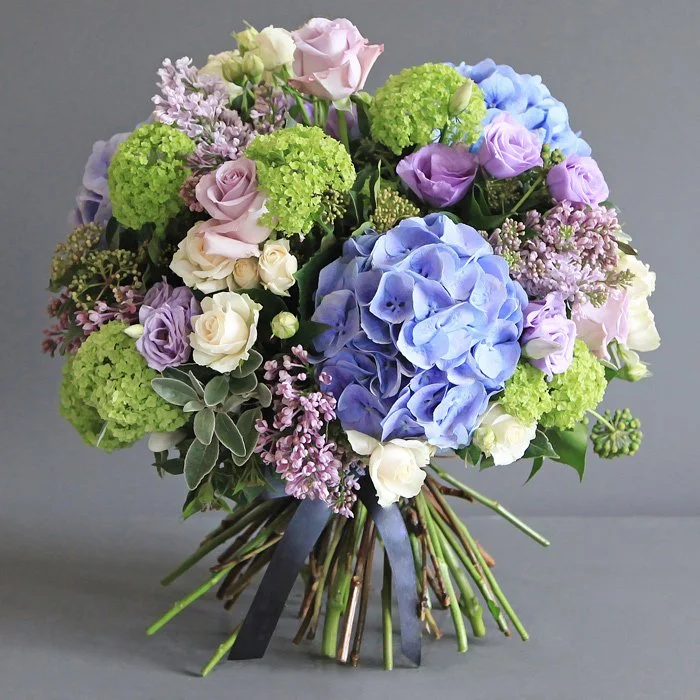
A luxurious bouquet that will ignite your senses and leave you in awe. This enchanting arrangement combines a symphony of vibrant hues, seamlessly blending together to create a stunning visual melody that will captivate any recipient. Blossoms in every shade of the rainbow dance together in perfect unison, radiating elegance and sophistication.
Proceed to checkout to choose a Delivery Date and write a Message Card.
Flower variety may differ according to seasonality, but will always be of similar style, quality and value.
This bouquet is available in four sizes:
:: Small bouquet measures approximately 25cm in diameter
:: Medium bouquet measures approximately 30cm in diameter
:: Large bouquet measures approximately 35cm in diameter
:: Extra Large bouquet measures approximately 40cm in diameter
Image represents Extra Large size
You can add a glass vase to your order here
Singapore's vibrant multicultural society celebrates an array of festivals, each rich in tradition and symbolism. Matching bouquet styles to these festivals can enhance their festive spirit and make celebrations even more meaningful. Here’s a guide to bouquet styles inspired by Singapore’s major festivals:
1. Chinese New Year
Symbolism: Prosperity, fortune, and renewal.
Bouquet Style: Bright and auspicious blooms like red and orange roses, peonies, and chrysanthemums. Include pussy willows and mandarin orange branches for good luck.
Colors: Red, gold, and orange to signify happiness and wealth.
Accents: Use red envelopes or gold coins as decorative elements within the bouquet.
2. Hari Raya Aidilfitri
Symbolism: Purity, gratitude, and renewal.
Bouquet Style: A clean and elegant arrangement with white lilies, jasmine, and baby’s breath. Add green foliage like pandan leaves for a fresh touch.
Colors: White and green to represent purity and renewal.
Accents: Incorporate gold ribbons or Islamic-inspired patterns on the bouquet wrapping.
3. Deepavali (Diwali)
Symbolism: Light, triumph of good over evil, and prosperity.
Bouquet Style: Vibrant and opulent arrangements with marigolds, orchids, and bright roses. Include exotic flowers like lotus for added cultural depth.
Colors: Orange, yellow, and red to reflect the festival’s vibrancy.
Accents: Use decorative elements like fairy lights, candles, or gold-detailed wrapping.
4. Vesak Day
Symbolism: Enlightenment, peace, and gratitude.
Bouquet Style: Simple and serene bouquets with white lotus, lilies, or chrysanthemums. Focus on natural, eco-friendly arrangements.
Colors: White, pastel pink, and green for peace and harmony.
Accents: Add bamboo stems or small Buddha figurines for thematic significance.
5. National Day (9th August)
Symbolism: Patriotism, unity, and pride.
Bouquet Style: A bold and striking bouquet with red and white roses, carnations, or tulips to match Singapore’s flag. Incorporate tropical flowers like heliconias for a local touch.
Colors: Red and white for national pride.
Accents: Add mini Singapore flags or star-shaped embellishments to highlight unity and pride.
6. Christmas
Symbolism: Joy, love, and giving.
Bouquet Style: Festive bouquets with red roses, poinsettias, and white carnations. Add seasonal greenery like pine or holly for a Christmassy feel.
Colors: Red, green, and gold for a warm and joyful theme.
Accents: Decorate with pinecones, baubles, or fairy lights for extra holiday cheer.
7. Mid-Autumn Festival
Symbolism: Reunion, harmony, and gratitude.
Bouquet Style: Elegant and soft arrangements with moonflowers, orchids, and pastel-colored roses. Add elements like lotus pods or small paper lanterns.
Colors: Pastel pink, white, and gold to reflect the festival’s serenity.
Accents: Incorporate mooncake-shaped ornaments or Chinese motifs for a festive touch.
8. Thaipusam
Symbolism: Devotion, selflessness, and spirituality.
Bouquet Style: Vibrant and spiritual bouquets with yellow marigolds, sunflowers, and chrysanthemums, reflecting traditional offerings.
Colors: Yellow and orange to signify purity and positivity.
Accents: Add decorative kumkum powder designs or peacock feathers to reflect the festival’s cultural elements.
9. Lunar Ghost Festival (Hungry Ghost Festival)
Symbolism: Respect, remembrance, and reverence.
Bouquet Style: Subtle and respectful arrangements with white chrysanthemums and lilies, commonly used in remembrance ceremonies.
Colors: White and yellow for solemnity and respect.
Accents: Keep the wrapping minimal and subdued, suitable for offerings.
10. Good Friday and Easter
Symbolism: Hope, renewal, and life.
Bouquet Style: Fresh and joyful bouquets with tulips, lilies, and daffodils. Include blooming branches to signify renewal.
Colors: White, yellow, and pastel tones for hope and rebirth.
Accents: Add small Easter eggs or cross-shaped charms for thematic detail.
11. New Year’s Eve
Symbolism: Celebration, new beginnings, and aspirations.
Bouquet Style: Glamorous bouquets with a mix of gold-dusted roses, champagne-colored carnations, and white orchids. Add glittery or metallic accents.
Colors: Gold, silver, and white for a celebratory theme.
Accents: Use sparklers or star-shaped decorations to capture the festive atmosphere.
By aligning bouquet styles with the cultural significance of each festival, you can create meaningful floral gifts or decorations that celebrate Singapore’s rich tapestry of traditions.
A Guide to Flower Growing Regions in Southeast Asia
Southeast Asia is renowned for its rich biodiversity, tropical climates, and vibrant cultures, making it an exceptional region for cultivating a wide variety of flowers. From temperate blossoms in highland areas to exotic tropical blooms, the region's flower-growing areas are a haven for gardeners, florists, and nature enthusiasts. Here’s a Singapore flower delivery guide to the best flower-growing regions in Southeast Asia.
1. Cameron Highlands, Malaysia
Overview:
The Cameron Highlands, located in Pahang, Malaysia, is one of the most famous flower-growing regions in Southeast Asia. Its cool temperatures and fertile soil create the perfect environment for cultivating temperate flowers.
Famous Flowers:
Roses: Known for their vibrant colors and large blooms.
Chrysanthemums: Widely grown for both local markets and export.
Carnations: Popular for their bright hues and fragrant blooms.
Orchids: The highlands also produce some unique orchid varieties.
Key Attractions:
Cameron Lavender Garden: A picturesque spot with lavender fields and other flowers.
Rose Centre: Features a variety of roses and a panoramic view of the highlands.
Floral Farms: Many farms offer guided tours showcasing diverse flowers and farming techniques.
2. Chiang Mai, Thailand
Overview:
Often referred to as the "Rose of the North," Chiang Mai is famous for its flower farms and festivals. The region's moderate climate supports a diverse array of flowering plants.
Famous Flowers:
Roses: Chiang Mai’s roses are celebrated for their fragrance and vibrant colors.
Orchids: Thailand is a global leader in orchid cultivation, with Chiang Mai at the forefront.
Marigolds: Used extensively in Thai rituals and decorations.
Lotus: A sacred flower in Thai culture, grown in Chiang Mai's wetlands.
Key Attractions:
Chiang Mai Flower Festival: Held every February, this festival features elaborate floral floats and displays.
Queen Sirikit Botanic Garden: Showcases rare and exotic flowers native to Thailand.
Orchid Farms: Visitors can tour farms and purchase orchids directly from growers.
3. Bali, Indonesia
Overview:
Bali’s lush tropical environment makes it a prime location for growing vibrant and exotic flowers. Flowers play an integral role in Balinese culture, often used in offerings and ceremonies.
Famous Flowers:
Frangipani (Plumeria): A fragrant flower commonly used in traditional ceremonies.
Hibiscus: Grown for its ornamental beauty and vibrant colors.
Jasmine: Revered for its sweet fragrance and symbolic significance in Balinese rituals.
Marigolds: Widely cultivated for use in temple offerings.
Key Attractions:
Taman Bunga Nusantara: A sprawling botanical garden featuring diverse floral displays.
Ubud’s Flower Farms: Explore farms that specialize in ceremonial flowers.
Local Markets: Discover fresh blooms used in Balinese daily life, such as at the Denpasar Market.
4. Dalat, Vietnam
Overview:
Dalat, known as the "City of Eternal Spring," is located in Vietnam's Central Highlands. Its temperate climate and fertile soils make it one of Southeast Asia’s premier flower-growing regions.
Famous Flowers:
Hydrangeas: Dalat is famous for its hydrangea fields, attracting photographers and tourists.
Daisies: Cultivated extensively for the local and export markets.
Cherry Blossoms: Bloom in the cooler months, adding to Dalat's charm.
Roses and Tulips: Popular varieties grown in the region.
Key Attractions:
Dalat Flower Park: A vast garden showcasing a colorful array of flowers.
Dalat Flower Festival: Held every two years, featuring floral art and cultural events.
Xuan Huong Lake: Surrounded by gardens filled with blooming flowers.
5. Tagaytay, Philippines
Overview:
Tagaytay’s cool climate and volcanic soil create ideal conditions for flower farming. The region is known for both ornamental flowers and blooms used in local festivals and religious events.
Famous Flowers:
Anthuriums: Vibrant flowers with glossy, heart-shaped spathes.
Orchids: The region grows a wide range of exotic orchid species.
Sampaguita (Jasmine): The national flower of the Philippines, highly fragrant.
Chrysanthemums: Popular in both gardens and floral arrangements.
Key Attractions:
Sonya’s Garden: A popular spot featuring lush floral displays and organic farming.
Mahogany Market: Known for fresh-cut flowers and plants from the region.
Flower Farms: Many farms offer tours showcasing their cultivation techniques.
6. Bandung, Indonesia
Overview:
Bandung, in West Java, is often called the "Flower City" of Indonesia. Its cooler climate, mountainous terrain, and rich volcanic soil make it a hub for floriculture.
Famous Flowers:
Bougainvillea: Known for its vibrant bracts in various shades.
Roses: A popular crop grown for both domestic and international markets.
Heliconia: Exotic tropical flowers prized for their unique shapes.
Orchids: Cultivated in Bandung's greenhouses and nurseries.
Key Attractions:
Cihideung Flower Village: A charming village dedicated to flower farming.
Lembang Floating Market: Combines vibrant flowers with a unique shopping experience.
Tangkuban Perahu: Surrounded by floral landscapes, offering stunning views.
7. Pyin Oo Lwin, Myanmar
Overview:
Located in Myanmar’s Shan State, Pyin Oo Lwin is known for its colonial heritage and temperate climate, which support diverse flower cultivation.
Famous Flowers:
Chrysanthemums: Grown in abundance for both local consumption and export.
Roses: A key crop in Pyin Oo Lwin’s flower farms.
Dahlias: Popular for their bold colors and intricate forms.
Orchids: Native species are often grown in the region.
Key Attractions:
National Kandawgyi Botanical Gardens: A sprawling garden with diverse flower species and scenic landscapes.
Flower Festival: Held annually to celebrate the region’s vibrant blooms.
Colonial Mansions: Many are surrounded by beautifully maintained flower gardens.
8. Sapa, Vietnam
Overview:
Nestled in Vietnam’s northern mountains, Sapa is known for its terraced rice fields and flower farms. Its cool climate supports a range of blooms.
Famous Flowers:
Roses: Grown in Sapa’s highlands and exported internationally.
Orchids: Unique species thrive in the mountainous terrain.
Cherry Blossoms: Bloom in spring, adding a magical touch to the landscape.
Wildflowers: Many native species adorn the countryside.
Key Attractions:
Sapa’s Flower Gardens: Public gardens showcasing local blooms.
Hmong Flower Markets: Traditional markets where ethnic minorities sell fresh-cut flowers.
Cat Cat Village: A scenic village surrounded by wildflowers and terraced fields.
9. Nong Nooch Tropical Garden, Thailand
Overview:
Located in Pattaya, this massive botanical garden is a showcase of Thailand’s tropical flower-growing prowess.
Famous Flowers:
Orchids: A vast collection of vibrant varieties.
Hibiscus: Known for their striking blooms.
Tropical Blooms: Such as heliconias and gingers.
Key Attractions:
Orchid Nursery: A dedicated area for exotic orchid species.
Floral Sculptures: Creative displays using flowers to craft intricate designs.
Cultural Shows: Traditional Thai performances set amidst stunning floral backdrops.
Trusted Singapore florist tips
Southeast Asia’s flower-growing regions offer an unparalleled blend of natural beauty, cultural richness, and horticultural expertise. From the tropical orchids of Thailand to the temperate blooms of the Cameron Highlands, each region has its unique charm. Whether you’re a flower enthusiast, a photographer, or simply a nature lover, these destinations promise unforgettable floral experiences.
The Best Country Parks to See Wildflowers in the USA
The United States is home to an incredible variety of country parks, national parks, and preserves where wildflowers bloom in spectacular displays. Whether you’re drawn to vast desert blooms, alpine meadows, or prairie wildflowers, here’s a guide to some of the best places to experience nature’s vibrant palette.
1. Great Smoky Mountains National Park (Tennessee/North Carolina)
Wildflower Highlights:
Known as the "Wildflower National Park," it hosts over 1,500 species of flowering plants.
Species include trilliums, jack-in-the-pulpits, and lady’s slippers.
Best Time to Visit:
April to mid-May for the Spring Wildflower Pilgrimage, an annual festival.
Recommended Trails:
Porters Creek Trail and Cades Cove are particularly rich with blooms.
2. Antelope Valley California Poppy Reserve (California)
Wildflower Highlights:
Famous for vibrant orange California poppies, the state flower.
Also features lupines, goldfields, and cream cups.
Best Time to Visit:
March to April (peak bloom varies depending on rainfall).
Special Notes:
Bloom intensity depends on the year’s precipitation—check local reports before visiting.
3. Mount Rainier National Park (Washington)
Wildflower Highlights:
High alpine meadows burst with color in summer, featuring lupines, avalanche lilies, and paintbrush.
Best Time to Visit:
Mid-July to August, depending on snowmelt.
Recommended Areas:
Paradise Meadows and Sunrise offer iconic views of wildflowers against Mount Rainier.
4. Texas Hill Country (Texas)
Wildflower Highlights:
Bluebonnets blanket the rolling hills, accompanied by Indian paintbrush, primroses, and sunflowers.
Best Time to Visit:
Late March to early April.
Recommended Spots:
Lady Bird Johnson Wildflower Center and the Willow City Loop near Fredericksburg.
5. Shenandoah National Park (Virginia)
Wildflower Highlights:
Over 850 species, including columbine, bloodroot, and violets.
Best Time to Visit:
Late April through May for spring blooms; mid-summer for summer flowers.
Recommended Trails:
Stony Man Trail and Big Meadows are known for their rich floral displays.
6. Carrizo Plain National Monument (California)
Wildflower Highlights:
A springtime "super bloom" transforms this arid landscape with goldenfields, phacelia, and fiddlenecks.
Best Time to Visit:
March to April, especially after a wet winter.
Special Notes:
Visit Soda Lake Overlook and Painted Rock for the most diverse blooms.
7. Glacier National Park (Montana)
Wildflower Highlights:
Fields of beargrass, glacier lilies, and Indian paintbrush bloom against stunning mountain backdrops.
Best Time to Visit:
Late June to early August.
Recommended Areas:
Logan Pass and the Highline Trail are hotspots for wildflower viewing.
8. Tallgrass Prairie National Preserve (Kansas)
Wildflower Highlights:
One of the last remnants of native tallgrass prairie, featuring over 500 plant species, including coneflowers, goldenrod, and blazing stars.
Best Time to Visit:
Late spring to early summer (May to June).
Special Notes:
Take guided tours for the best viewing experience and to learn about prairie ecology.
9. Acadia National Park (Maine)
Wildflower Highlights:
Offers coastal blooms like pink lady’s slippers, blue flag irises, and asters.
Best Time to Visit:
Late May to early June.
Recommended Trails:
Jesup Path and the Great Meadow Loop are excellent for spotting wildflowers.
10. Anza-Borrego Desert State Park (California)
Wildflower Highlights:
Desert blooms like desert lilies, sand verbena, and primroses cover the arid landscape.
Best Time to Visit:
February to April, depending on rainfall.
Special Notes:
Check the park’s wildflower hotline for current bloom conditions.
11. Theodore Roosevelt National Park (North Dakota)
Wildflower Highlights:
Prairie wildflowers such as prairie smoke, blanketflowers, and wild bergamot.
Best Time to Visit:
Late spring through summer (May to July).
Special Notes:
Wildflowers enhance the rugged beauty of the North Dakota badlands.
12. Yosemite National Park (California)
Wildflower Highlights:
Meadows and lower elevations feature flowers like shooting stars, monkeyflowers, and lupines.
Best Time to Visit:
April to July, varying by elevation.
Recommended Areas:
Yosemite Valley and Tuolumne Meadows are ideal for flower viewing.
13. Rocky Mountain National Park (Colorado)
Wildflower Highlights:
Alpine blooms such as blue columbine, alpine forget-me-nots, and paintbrush.
Best Time to Visit:
Mid-July to early August.
Recommended Trails:
Bear Lake and Alpine Ridge Trail.
14. Columbia River Gorge (Oregon/Washington)
Wildflower Highlights:
Home to balsamroot, lupines, and Indian paintbrush, often viewed with scenic waterfalls.
Best Time to Visit:
Late April to May.
Recommended Hikes:
Dog Mountain and Rowena Crest.
15. Chihuahuan Desert, Big Bend National Park (Texas)
Wildflower Highlights:
Cactus blooms and desert marigolds paint the arid landscape.
Best Time to Visit:
Late February to early April.
Special Notes:
The timing and intensity of blooms depend heavily on winter rains.
Tips for Wildflower Viewing
Timing: Check local park updates for bloom predictions as seasons and conditions vary.
Respect Nature: Stay on designated trails to avoid trampling plants and disturbing ecosystems.
Photography: Visit early in the morning or late in the afternoon for the best light and fewer crowds.
Preparation: Bring water, sun protection, and sturdy shoes for hiking.
From deserts to mountains, these parks offer incredible opportunities to enjoy the USA’s rich wildflower heritage. Plan a visit to witness nature's artistry firsthand!
Guide to Writing a Meaningful Message Card for Your Flowers
An enchanting ensemble of delicate blooms that evoke an ethereal symphony of colours and fragrances. This captivating arrangement features an assortment of pastel-hued seasonal flowers, meticulously hand-picked to convey a sense of timeless elegance and grace. Each stem is artfully arranged to showcase the natural beauty of the flowers, creating a harmonious composition that indulges the senses. Soft pinks, creamy whites, and gentle lavenders dance together in perfect balance, exuding a serene and romantic aura that is simply mesmerizing.
Proceed to checkout to choose a Delivery Date and write a Message Card.
Flower variety may differ according to seasonality, but will always be of similar style, quality and value.
This bouquet is available in four sizes:
:: Small bouquet measures approximately 25cm in diameter
:: Medium bouquet measures approximately 30cm in diameter
:: Large bouquet measures approximately 35cm in diameter
:: Extra Large bouquet measures approximately 40cm in diameter
Image represents Large size
You can add a glass vase to your order here
When sending flowers, a thoughtful message card can enhance the gesture and convey your sentiments more effectively. Here’s how to craft the perfect message.
1. Know Your Recipient
Consider the relationship you have with the recipient. A message for a friend might differ greatly from one for a romantic partner or a colleague. Tailoring your message to your relationship helps express your feelings more authentically.
2. Choose the Right Tone
Depending on the occasion, choose an appropriate tone:
Romantic: Express deep emotions, using tender language.
Friendly: Keep it casual and light-hearted.
Formal: Use respectful and polite language for professional settings.
3. Include a Personal Touch
Add a personal anecdote, nickname, or reference that only the two of you would understand. This makes your message feel more intimate and special.
4. Keep it Concise
Space is limited on message cards, so be succinct. Aim for a short, impactful message that conveys your feelings without overwhelming the recipient.
5. Occasion Consideration
Reflect on the occasion:
Birthdays: Celebrate their special day and wish them happiness.
Anniversaries: Remind them of shared memories and express your love.
Congratulations: Acknowledge their achievement and express pride.
Sympathy: Offer your support and convey your condolences sensitively.
6. Use Positive Language
Words can uplift or diminish a sentiment. Use positive and uplifting language that reflects hope, love, joy, or appreciation.
7. Close with Warmth
End your message with a warm closing. Use phrases like "With love," "Thinking of you," or "Best wishes" to leave a lasting impression.
Example Messages
Birthday:
"Happy Birthday! May your day be filled with joy and laughter. Here’s to another year of beautiful memories!"
Anniversary:
"Happy Anniversary! Each moment with you is a treasure. Here’s to many more years together."
Congratulations:
"Congratulations on your fantastic achievement! I’m so proud of you and can’t wait to celebrate together."
Sympathy:
"Thinking of you in this difficult time. My heart goes out to you and your family."
By following these steps, you can create a meaningful message card that complements your flower delivery, making your gesture even more special.
Guide to Wildflowers Found Around the World
Wildflowers are nature's jewels, thriving in diverse ecosystems across the globe. They bring vibrant beauty to landscapes, support wildlife, and often hold cultural and ecological significance. This SG florist guide explores wildflowers from different regions, their unique characteristics, and tips for enjoying and preserving them.
1. Characteristics of Wildflowers
Wildflowers are flowering plants that grow naturally without human cultivation. Common traits include:
Native Origin: Wildflowers are adapted to the climates and soils of their native regions.
Hardiness: They often thrive in challenging conditions, from deserts to alpine meadows.
Ecological Importance: Provide food and habitat for pollinators, birds, and other wildlife.
Variety: Come in a wide range of colors, shapes, and sizes, from tiny blossoms to large, showy blooms.
2. Notable Wildflowers Around the World
North America
California Poppy (Eschscholzia californica):
Bright orange flowers that thrive in arid regions.
State flower of California.
Found in meadows and desert landscapes.
Black-Eyed Susan (Rudbeckia hirta):
Cheerful yellow petals with dark centers.
Common in prairies and along roadsides.
Symbolizes encouragement and justice.
Lupine (Lupinus spp.):
Spiky flowers in shades of blue, purple, and white.
Found in meadows and coastal areas.
Enriches soil by fixing nitrogen.
South America
Passionflower (Passiflora spp.):
Exotic, intricate flowers with a central crown of filaments.
Found in tropical and subtropical regions.
Symbolizes the Passion of Christ in Christian tradition.
Torch Ginger (Etlingera elatior):
Bright red, torch-shaped flowers.
Found in rainforests of the Amazon Basin.
Often used in traditional medicine and cuisine.
Europe
Cornflower (Centaurea cyanus):
Striking blue flowers often found in cornfields and meadows.
Associated with remembrance and loyalty.
Popular in floral arrangements.
Edelweiss (Leontopodium alpinum):
Star-shaped white flowers with fuzzy petals.
Found in alpine regions of the Alps.
Symbol of love, courage, and devotion.
Foxglove (Digitalis purpurea):
Tall spikes of tubular flowers in pink, purple, or white.
Grows in woodland clearings and meadows.
Source of the heart medication digitalis.
Africa
Protea (Protea spp.):
Large, unique flowers with cone-like centers and colorful bracts.
Native to South Africa’s fynbos region.
Symbolizes change and transformation.
Desert Rose (Adenium obesum):
Pink and white flowers with a thick, succulent trunk.
Found in arid regions of Africa and the Middle East.
Thrives in harsh, dry conditions.
Blue Water Lily (Nymphaea caerulea):
Delicate blue flowers floating on water.
Sacred in Ancient Egyptian culture.
Found in freshwater lakes and ponds.
Asia
Lotus (Nelumbo nucifera):
Sacred flower with pink or white petals.
Grows in ponds and wetlands.
Symbolizes purity, enlightenment, and rebirth.
Himalayan Blue Poppy (Meconopsis betonicifolia):
Rare, striking blue flowers.
Found in high-altitude meadows of the Himalayas.
Requires cool, moist conditions to thrive.
Cherry Blossom (Prunus spp.):
Soft pink or white blossoms.
Celebrated in Japanese culture during Hanami festivals.
Found in temperate regions.
Australia
Kangaroo Paw (Anigozanthos spp.):
Fuzzy, tubular flowers resembling a kangaroo’s paw.
Native to Western Australia’s grasslands.
Attracts birds and pollinators.
Golden Wattle (Acacia pycnantha):
Bright yellow, spherical flowers.
Australia’s national flower.
Found in woodlands and open plains.
Sturt’s Desert Pea (Swainsona formosa):
Striking red flowers with a black center.
Found in arid deserts.
Symbol of resilience and survival.
Antarctica
Antarctic Pearlwort (Colobanthus quitensis):
Tiny yellow-green flowers.
Grows in rocky, cold environments.
One of only two flowering plants native to Antarctica.
Antarctic Hairgrass (Deschampsia antarctica):
Small grass-like plants with flowers.
Found in sheltered areas of the Antarctic Peninsula.
3. Benefits of Wildflowers
Wildflowers are essential to ecosystems and offer various benefits:
Pollinator Support: Provide nectar and pollen for bees, butterflies, and hummingbirds.
Soil Health: Prevent erosion and enrich soil through natural growth.
Cultural Significance: Symbolize regional identity and cultural heritage.
Low Maintenance: Require minimal care when grown in their native regions.
4. How to Enjoy Wildflowers
Gardening:
Grow native wildflowers in your garden to support local wildlife.
Use seed mixes designed for your region to ensure success.
Wildflower Meadows:
Visit natural meadows or parks to enjoy seasonal blooms.
Examples: The Texas Bluebonnet fields (USA), Tuscany poppy fields (Italy), or Namaqualand daisies (South Africa).
Photography and Art:
Capture the vibrant colors and textures of wildflowers in photographs, sketches, or paintings.
Crafts and Culinary Uses:
Use dried wildflowers in wreaths or arrangements.
Explore edible wildflowers like violets, nasturtiums, or elderflowers for teas and garnishes.
5. Preserving Wildflowers
Avoid Picking: Let wildflowers bloom in their natural habitats to support ecosystems.
Plant Native Species: Encourage biodiversity by planting wildflowers native to your area.
Participate in Conservation:
Support organizations dedicated to preserving wildflower habitats.
Volunteer in seed collection or planting programs.
Singapore’s best florist tips
Wildflowers are a celebration of nature’s creativity, offering beauty, ecological value, and cultural significance. By exploring their diversity and preserving their habitats, we can ensure these natural treasures continue to inspire and thrive for generations to come. Whether in gardens, wild landscapes, or bouquets, wildflowers bring a touch of natural wonder to our lives.
Guide to the Best Flowers for Adding Texture to a Bouquet

Exuding timeless elegance and sophistication, the Red Velvet arrangement evokes all the decadence of our favourite cake — capturing the sumptuousness and opulence of deep reds, lush crimson and delicate pinks. Each bloom is carefully selected to embody a sense of luxury and refinement, creating a striking visual composition that exudes passion and romance.
Proceed to checkout to choose a Delivery Date and write a Message Card.
Flower variety may differ according to seasonality, but will always be of similar style, quality and value.
This bouquet is available in four sizes:
:: Small bouquet measures approximately 25cm in diameter
:: Medium bouquet measures approximately 30cm in diameter
:: Large bouquet measures approximately 35cm in diameter
:: Extra Large bouquet measures approximately 40cm in diameter
Image represents Large size
You can add a glass vase to your order here
Adding texture to a flower bouquet is a creative way to enhance its visual interest and depth. Textural elements can make a bouquet look dynamic, sophisticated, and unexpected. From feathery fronds to spiky stems, here’s a SG florist guide to flowers and greenery that add unique textures to your arrangements.
1. Spiky and Structural Textures
These flowers bring bold, architectural interest and contrast to soft blooms.
Thistle (Eryngium spp.)
Texture: Spiky and sculptural, with silvery-blue or green hues.
Best Use: Adds edgy contrast to romantic flowers like roses or peonies.
Care Tips: Hardy and long-lasting, even when dried.
Protea (Protea spp.)
Texture: Large, dramatic blooms with a mix of soft petals and spiky bracts.
Best Use: Makes a bold statement and pairs well with tropical or rustic designs.
Care Tips: Requires fresh water and a clean vase to maintain its beauty.
Sea Holly (Eryngium planum)
Texture: Small, spiky globes with delicate, serrated leaves.
Best Use: Perfect for wild, organic bouquets or as a subtle textural accent.
Care Tips: Sturdy and thrives with minimal care.
2. Feathery and Soft Textures
These add lightness and movement, softening the bouquet’s overall look.
Astilbe
Texture: Plume-like feathery flowers in soft shades of pink, white, or red.
Best Use: Adds height and a dreamy, romantic feel to arrangements.
Care Tips: Keep in cool, fresh water; avoid direct sunlight.
Pampas Grass (Cortaderia selloana)
Texture: Fluffy, soft plumes with a natural, bohemian vibe.
Best Use: Ideal for modern or rustic bouquets, adding drama and movement.
Care Tips: Often used dried, making it a low-maintenance option.
Queen Anne's Lace (Daucus carota)
Texture: Delicate, lacy clusters that create a soft and airy effect.
Best Use: Complements vintage or wildflower-themed arrangements.
Care Tips: Stems can wilt quickly; ensure a steady water supply.
3. Unique and Quirky Textures
For an unexpected twist, these blooms offer unusual shapes and patterns.
Craspedia (Billy Balls)
Texture: Round, ball-like yellow blooms on stiff stems.
Best Use: Adds playful pops of color and a contemporary vibe.
Care Tips: Long-lasting and works well in dried arrangements.
Kangaroo Paw (Anigozanthos spp.)
Texture: Fuzzy, tubular flowers resembling animal paws.
Best Use: Perfect for modern or exotic bouquets.
Care Tips: Prefers well-drained vases and regular stem trimming.
Scabiosa Pods
Texture: Uniquely patterned, globe-shaped seed pods with a rustic feel.
Best Use: Adds natural charm to wildflower or autumnal bouquets.
Care Tips: Can be used fresh or dried.
4. Cascading and Draping Textures
These flowers and greenery create movement and flow in bouquets.
Amaranthus (Love-Lies-Bleeding)
Texture: Cascading, rope-like clusters of small blooms in green or deep red.
Best Use: Adds dramatic trailing elements to large, lush arrangements.
Care Tips: Handle gently to prevent tangling or breakage.
Ivy (Hedera spp.)
Texture: Trailing vines with smooth, glossy leaves.
Best Use: Adds a natural, whimsical touch to cascading bouquets.
Care Tips: Keep stems hydrated to prevent wilting.
Hanging Helichrysum
Texture: Soft, fuzzy stems with clusters of tiny, papery flowers.
Best Use: Adds a subtle trailing texture to delicate designs.
Care Tips: Works well fresh or dried.
5. Fuzzy and Velvety Textures
These flowers create a tactile, luxurious feel in your bouquet.
Dusty Miller (Senecio cineraria)
Texture: Silvery, soft, velvety foliage.
Best Use: Enhances muted or pastel arrangements with a cool-toned accent.
Care Tips: Avoid overwatering to keep leaves fresh.
Lamb’s Ear (Stachys byzantina)
Texture: Extremely soft, fuzzy leaves.
Best Use: Adds a soothing, tactile element to rustic or garden-style bouquets.
Care Tips: Prefers drier conditions and well-drained water.
6. Rounded and Bulbous Textures
These bring fullness and smooth contrasts to more angular or spiky blooms.
Alliums
Texture: Rounded globes of tiny flowers on tall stems.
Best Use: Adds geometric interest to architectural arrangements.
Care Tips: Long-lasting and suitable for modern designs.
Ranunculus
Texture: Layers of delicate, paper-thin petals with a full, rounded shape.
Best Use: Adds lushness and dimension to romantic bouquets.
Care Tips: Keep cool and change water regularly.
Peonies
Texture: Large, multi-petaled blooms with a soft, ruffled look.
Best Use: Adds fullness and opulence to traditional or formal designs.
Care Tips: Keep in a cool area to prolong bloom life.
7. Greenery for Texture
Foliage is key to tying the bouquet together and adding textural variety.
Eucalyptus (Various Species)
Texture: Silvery, oval leaves or long, slender branches.
Best Use: Adds both texture and a calming fragrance.
Care Tips: Replace water often to keep foliage fresh.
Bear Grass
Texture: Long, thin, and ribbon-like.
Best Use: Adds linear contrast and movement.
Care Tips: Requires minimal maintenance.
Ruscus
Texture: Smooth, elongated leaves.
Best Use: Adds structure and sleekness to arrangements.
Care Tips: Very hardy and long-lasting.
Design Tips for Adding Texture
Balance the Composition:
Mix soft, feathery elements with spiky or bold textures.
Use textural accents sparingly to avoid overwhelming the bouquet.
Play with Scale:
Combine large, rounded flowers with small, intricate accents for depth.
Include a mix of fine and coarse textures for a well-rounded look.
Incorporate Movement:
Use cascading or trailing elements to add flow and drama.
Combine upward-reaching stems with draping foliage for dynamic designs.
Choose Contrasting Colors:
Highlight textures with complementary or contrasting hues to make each element stand out.
Best flower delivery in Singapore
Using a variety of textures in a bouquet adds dimension, character, and a touch of the unexpected. By thoughtfully incorporating spiky, soft, trailing, or quirky flowers and foliage, you can elevate your floral designs and leave a lasting impression.
A Guide to the Symbolism of Sunflowers in Arts and Literature

A vibrant and captivating floral arrangement that embodies the essence of joyful adventures and warm summer days. The star of this bouquet is the resplendent sunflower, radiating with golden hues that mirror the sun's touch. Complementing this stunning centerpiece are an assortment of equally enchanting blooms, each carefully selected to evoke the feeling of winding through sun-kissed fields.
Proceed to checkout to choose a Delivery Date and write a Message Card.
Flower variety may differ according to seasonality, but will always be of similar style, quality and value.
This bouquet is available in four sizes:
:: Small bouquet measures approximately 25cm in diameter
:: Medium bouquet measures approximately 30cm in diameter
:: Large bouquet measures approximately 35cm in diameter
:: Extra Large bouquet measures approximately 40cm in diameter
Image represents Large size
You can add a glass vase to your order here
Sunflowers, with their vibrant yellow petals and towering presence, have long captivated the imagination of artists and writers. Their distinctive form and association with the sun have made them a powerful symbol in art and literature across cultures and eras. This flower delivery guide explores the varied and nuanced symbolism of sunflowers, illuminating their significance in creative expression.
1. General Symbolism of Sunflowers
Sunflowers carry rich, multifaceted meanings that often revolve around their physical characteristics and behaviors:
Adoration and Loyalty: Their heliotropic nature, turning to face the sun, symbolizes devotion and steadfastness.
Hope and Optimism: The bright, sun-like appearance of sunflowers evokes warmth, positivity, and the promise of better days.
Resilience and Strength: Their ability to grow tall and thrive in various conditions makes them a metaphor for perseverance and vitality.
Connection to the Sun: Representing life, energy, and growth, sunflowers often symbolize divine or eternal life in spiritual contexts.
2. Symbolism in Art
Sunflowers have appeared in artworks throughout history, often reflecting the artist’s intentions, beliefs, and cultural context.
Renaissance and Baroque Eras
Allegory of Devotion: Sunflowers in religious paintings symbolized faith and devotion to God, reflecting their heliotropic tendencies.
Emblem of the Sun: They were used in allegorical art to represent the life-giving force of the sun, aligning with the humanistic focus of the Renaissance.
Van Gogh’s Sunflowers
Vincent van Gogh’s iconic Sunflowers series (1888) elevated the flower into a symbol of artistic passion and emotional intensity:
Gratitude and Friendship: Van Gogh intended the paintings as a welcome gift for Paul Gauguin, symbolizing camaraderie.
Cycle of Life and Death: The varying stages of bloom in the series—from fresh to withered—represent the transient nature of life.
Personal Symbolism: For Van Gogh, sunflowers expressed hope and the possibility of renewal, despite his personal struggles.
Modern and Contemporary Art
Resistance and Resilience: Sunflowers have been used as motifs in activist and protest art to symbolize strength and hope in adversity.
Nature and Environmentalism: In ecological art, sunflowers often represent the interconnectedness of life and humanity’s dependence on the natural world.
3. Symbolism in Literature
Sunflowers have inspired writers across genres, embodying diverse themes ranging from love and loyalty to existential musings.
Classical Literature
Myth of Clytie: In Greek mythology, Clytie, a water nymph, transforms into a sunflower (or heliotrope) after her unrequited love for Apollo, the sun god. The story symbolizes eternal devotion and unyielding love.
Nature’s Beauty: Sunflowers often appear in pastoral poetry as symbols of nature’s perfection and harmony, reflecting the Romantic idealization of the natural world.
Modern and Contemporary Literature
Optimism and Renewal: In works like The Sunflower by Simon Wiesenthal, sunflowers become metaphors for hope, forgiveness, and the human capacity for growth even after profound suffering.
Human Aspirations: Sunflowers often symbolize striving for greatness or connection with the divine, paralleling their physical reaching toward the sun.
Children’s Literature
Joy and Innocence: Sunflowers frequently appear as motifs in children’s stories, symbolizing happiness, warmth, and the wonder of nature.
Growth and Transformation: Stories featuring sunflowers often use their life cycle to teach lessons about patience, perseverance, and the beauty of change.
4. Cultural Symbolism
Sunflowers carry distinct meanings in different cultural and historical contexts.
Native American Traditions
Abundance and Fertility: Native Americans associated sunflowers with harvest and nourishment due to their seeds’ importance as a food source.
Spiritual Symbol: Sunflowers represented the sun’s energy and were used in ceremonies to invoke vitality and growth.
Eastern Philosophy
Devotion: In Chinese culture, sunflowers symbolize longevity and loyalty, aligning with the flower's association with the enduring power of the sun.
Positivity and Good Fortune: They are often seen as auspicious symbols in art and design.
European Context
Heliotropism and Divinity: During the 18th century, the sunflower became a popular motif in Romantic literature and art, symbolizing the human desire to align with a higher power or truth.
5. Symbolism in Popular Culture
In modern times, sunflowers continue to hold symbolic power:
Environmental Movements: Often used as symbols of sustainability and eco-awareness, representing humanity’s bond with the earth.
Icons of Peace: Sunflowers are sometimes associated with peace and anti-war efforts, offering a hopeful vision for unity and understanding.
Motif of Joy: Their cheerful appearance makes them popular symbols in branding and fashion, embodying positivity and vitality.
6. Interpretative Themes in Sunflower Symbolism
When analyzing sunflowers in creative works, consider these thematic interpretations:
Duality of Light and Dark: Sunflowers evoke both the brilliance of the sun and the inevitability of decay, symbolizing the cycles of life and death.
Aspiration and Fulfillment: Their towering growth and upward movement often symbolize the pursuit of dreams and higher ideals.
Community and Solidarity: Fields of sunflowers moving together toward the sun can symbolize unity and collective strength.
Best Singapore florist guides
The sunflower’s striking form and deep associations with the sun have cemented its place as a powerful symbol in art and literature. Whether representing hope, devotion, or the cycle of life, sunflowers inspire creativity and evoke profound emotional responses. Their enduring presence in creative works reminds us of the interplay between nature, human emotion, and the eternal quest for light and meaning.