
A Guide to Singapore’s Private Hospitals and Get-Well-Soon Flowers

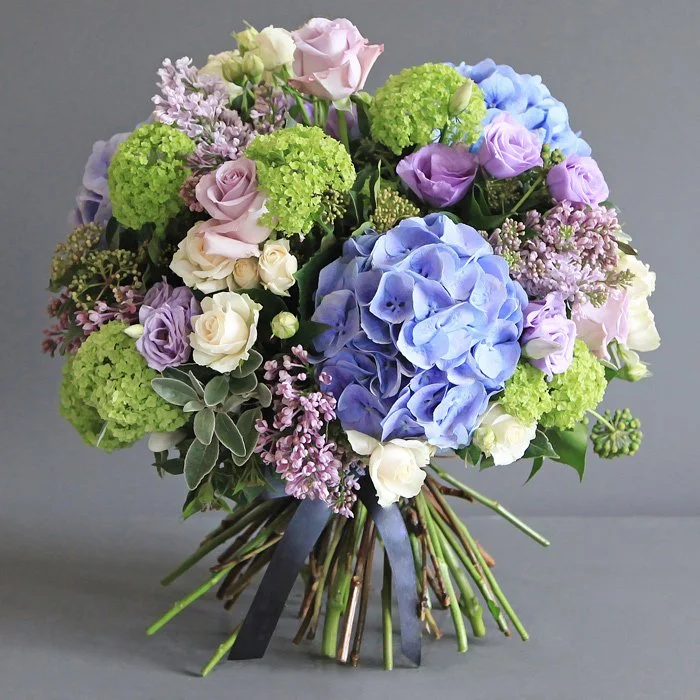
Exuding timeless elegance and grace, our Purple Chiffon Bouquet is a stunning floral ensemble that captures the essence of sophistication. This exquisite arrangement features a harmonious blend of ethereal purple blooms, carefully hand-selected to convey an air of luxurious beauty.
Proceed to checkout to choose a Delivery Date and write a Message Card.
Flower variety may differ according to seasonality, but will always be of similar style, quality and value.
This bouquet is available in four sizes:
:: Small bouquet measures approximately 25cm in diameter
:: Medium bouquet measures approximately 30cm in diameter
:: Large bouquet measures approximately 35cm in diameter
:: Extra Large bouquet measures approximately 40cm in diameter
Image represents Large size
You can add a glass vase to your order here
Singapore is renowned for its world-class healthcare system, and its private hospitals are no exception. Offering cutting-edge medical services, personalized care, and luxurious amenities, these institutions cater to both local and international patients. For those visiting loved ones in recovery, get-well-soon flowers are a thoughtful way to show support. This Singapore florist and flower delivery guide provides an overview of Singapore’s private hospitals and tips for selecting the perfect floral arrangement.
Part 1: Guide to Singapore’s Private Hospitals
Overview of Private Healthcare in Singapore
Singapore’s private hospitals are known for:
Advanced Medical Facilities: Access to the latest medical technologies and treatments.
Expert Professionals: Highly skilled doctors and specialists trained globally.
Personalized Care: A focus on patient comfort, privacy, and convenience.
International Patient Services: Many hospitals have dedicated teams to assist overseas patients.
Notable Private Hospitals in Singapore
1. Mount Elizabeth Hospital (Orchard and Novena)
Specialties: Cardiology, oncology, neurology, and transplant surgery.
Features: Advanced diagnostics, 24-hour emergency care, and luxurious patient suites.
Location: Centrally located in Orchard and Novena for convenience.
2. Gleneagles Hospital
Specialties: Orthopedics, gastroenterology, and general surgery.
Features: Personalized care plans, high-end facilities, and comprehensive wellness services.
Location: Near the Singapore Botanic Gardens, offering a serene environment.
3. Parkway East Hospital
Specialties: Women’s health, pediatrics, and minimally invasive surgeries.
Features: A boutique hospital experience with a strong community focus.
Location: Conveniently situated in the eastern part of Singapore.
4. Raffles Hospital
Specialties: Oncology, cardiology, and preventive health screenings.
Features: Integrated healthcare services and wellness programs.
Location: Located in Bugis, accessible to both locals and tourists.
5. Thomson Medical Centre
Specialties: Obstetrics, gynecology, and fertility treatments.
Features: Tailored maternity services and luxurious family-centered facilities.
Location: Well-connected in Novena.
6. Farrer Park Hospital
Specialties: Orthopedics, cardiology, and advanced robotic surgeries.
Features: A modern hospital integrated with a hotel, art gallery, and wellness center.
Location: Located above the Farrer Park MRT station for easy access.
Choosing the Right Hospital
Medical Needs: Select a hospital specializing in the required treatment.
Proximity: Consider the convenience of location for visits and follow-ups.
Insurance Compatibility: Verify that the hospital is covered by your health insurance.
Amenities: For extended stays, look for hospitals with private suites, family areas, and dietary options.
Part 2: Guide to Get-Well-Soon Flowers
Sending get-well-soon flowers is a time-honored tradition, but it’s important to consider the patient’s comfort and the hospital setting. Here’s how to choose the ideal arrangement:
1. Hospital Etiquette for Flowers
Fragrance: Choose lightly scented or unscented flowers to avoid overwhelming the patient or others in the room.
Allergies: Opt for hypoallergenic flowers like roses, orchids, or tulips.
Size: Compact arrangements are better suited to hospital spaces, which can be limited.
2. Symbolism of Flowers
Each flower carries a unique message, allowing you to express your wishes with thoughtful symbolism:
Sunflowers: Brightness, optimism, and vitality.
Roses: Yellow for friendship and cheer, white for purity and peace.
Orchids: Strength, resilience, and elegance—also popular in Singapore’s tropical climate.
Carnations: Pink symbolizes gratitude and care, while white represents healing.
Gerbera Daisies: Happiness and positivity.
3. Suggested Arrangements
Cheerful Bouquets
Composition: A mix of sunflowers, daisies, and tulips in bright, uplifting colors.
Occasion: Ideal for patients in recovery or post-surgery.
Elegant Arrangements
Composition: Orchids, roses, and lilies in a minimalist or monochromatic design.
Occasion: Suitable for quiet settings or when visiting high-end hospital suites.
Potted Plants
Composition: Peace lilies, succulents, or lucky bamboo.
Occasion: A longer-lasting gift that can brighten hospital rooms or the patient’s home after discharge.
4. Practical Considerations
Hospital Policies: Some wards (e.g., ICU) may restrict flowers, so check beforehand.
Delivery: Coordinate with the hospital to ensure the flowers are delivered directly to the patient’s room.
Durability: Choose hardy flowers that can last several days, such as chrysanthemums or alstroemerias.
5. Alternative Gifts
If flowers are not an option, consider these thoughtful alternatives:
Fruit Hampers: A mix of fresh, easy-to-eat fruits.
Care Packages: Herbal teas, books, or comfort items like blankets or aromatherapy oils.
Personalized Messages: A heartfelt card can provide emotional support and encouragement.
Bringing It All Together
Singapore’s private hospitals provide exceptional healthcare in state-of-the-art facilities, making them a preferred choice for patients and visitors alike. Complementing this with a thoughtful gesture like get-well-soon flowers can brighten a loved one’s recovery.
Whether visiting a loved one at Mount Elizabeth or sending a cheerful bouquet to Raffles Hospital, understanding the symbolism of flowers and the hospital environment ensures that your gesture is meaningful and appreciated. Let your gift of blooms bring comfort, positivity, and encouragement to someone on the path to wellness.
A Guide to the Best Flowers from South America
South America, with its diverse climates and rich biodiversity, is home to some of the most stunning and unique flowers in the world. From the towering Andes mountains to the lush Amazon rainforest, the continent offers a wide variety of blooms that are not only visually captivating but also rich in cultural and symbolic significance. Here's a flower shop guide to the best flowers from South America, their unique qualities, and their uses.
1. Heliconia (Heliconia spp.)
Appearance: Known for its striking, brightly colored bracts in shades of red, orange, yellow, and green, heliconias are often called "lobster claws" or "parrot flowers."
Habitat: Found in tropical rainforests, particularly in the Amazon basin.
Significance: These flowers are a favorite among hummingbirds, symbolizing energy and life.
Uses: Popular in ornamental gardening and exotic floral arrangements.
Tip: Heliconias thrive in humid environments and are long-lasting as cut flowers.
2. Passionflower (Passiflora spp.)
Appearance: Intricate, star-shaped blooms with vibrant colors and unique filaments.
Habitat: Grows in tropical and subtropical regions of South America, often climbing on vines.
Significance: Symbol of passion, spirituality, and devotion. It also holds religious symbolism, particularly in Christianity.
Uses: Beyond its beauty, the fruit of some species (passionfruit) is edible, and the plant is used in traditional medicine.
Tip: Passionflowers are excellent for trellises and pergolas in gardens.
3. Inca Lily (Alstroemeria spp.)
Appearance: Delicate, trumpet-shaped flowers in a variety of colors, including pink, yellow, orange, and purple.
Habitat: Native to the Andes mountains in Chile and Peru.
Significance: Represents friendship and devotion, making it a popular choice for bouquets.
Uses: Widely cultivated for use in floral arrangements due to its vibrant colors and longevity as a cut flower.
Tip: Alstroemerias can last up to two weeks in a vase with proper care.
4. Cattleya Orchid (Cattleya spp.)
Appearance: Large, fragrant flowers in vibrant hues like pink, purple, yellow, and white.
Habitat: Found in tropical rainforests, especially in Brazil and Colombia.
Significance: Often referred to as the "Queen of Orchids," symbolizing elegance, luxury, and love.
Uses: Highly valued in the floral industry and by orchid collectors.
Tip: These orchids prefer warm, humid environments and bright, indirect sunlight.
5. Angel’s Trumpet (Brugmansia spp.)
Appearance: Large, pendulous, trumpet-shaped flowers in shades of white, yellow, pink, and peach.
Habitat: Thrives in the Andean regions of South America.
Significance: Associated with dreams and mysticism but also caution due to its toxic properties.
Uses: Cultivated for ornamental purposes; admired for its fragrance and dramatic appearance.
Tip: Handle with care, as all parts of the plant are toxic if ingested.
6. Amancay (Alstroemeria aurea)
Appearance: A species of Alstroemeria with golden-yellow or orange blooms.
Habitat: Native to Patagonia, in the southern regions of South America.
Significance: A symbol of love and sacrifice in local folklore.
Uses: Cultivated for gardens and floral arrangements.
Tip: Amancay flowers are hardy and well-suited to cooler climates.
7. Poinsettia (Euphorbia pulcherrima)
Appearance: Known for its bright red and green foliage, often mistaken for petals.
Habitat: Native to Central America but widely cultivated in South America, particularly in Colombia.
Significance: Symbolizes celebration and prosperity, often associated with Christmas.
Uses: Popular as holiday décor and ornamental plants.
Tip: Keep poinsettias in bright, indirect light and avoid overwatering.
8. Monkey Brush Vine (Combretum rotundifolium)
Appearance: Bright, fuzzy, brush-like flowers in shades of red and orange.
Habitat: Found in the Amazon rainforest, often climbing on other trees.
Significance: Represents adaptability and the interconnectedness of rainforest life.
Uses: A rare but stunning addition to botanical gardens.
Tip: Needs a warm, humid environment and space to climb.
9. Puya Raimondii
Appearance: The world’s largest bromeliad, producing a tall spire covered in thousands of small, white flowers.
Habitat: High-altitude regions of the Andes in Peru and Bolivia.
Significance: Known as the “Queen of the Andes,” symbolizing resilience and endurance.
Uses: A marvel of nature, primarily appreciated for its ecological significance rather than ornamental use.
Tip: This plant has a long lifespan but flowers only once before dying.
10. Bougainvillea (Bougainvillea spp.)
Appearance: Vibrant, paper-like bracts in shades of pink, magenta, purple, orange, and white.
Habitat: Common in tropical and subtropical regions of South America.
Significance: Represents passion, beauty, and warmth.
Uses: Ideal for landscaping, climbing walls, or trellises.
Tip: Bougainvillea thrives in sunny locations and requires minimal watering.
11. Amazon Lily (Eucharis grandiflora)
Appearance: White, star-shaped flowers with a delicate fragrance.
Habitat: Found in the Amazon basin.
Significance: Symbolizes purity and elegance.
Uses: Commonly grown indoors or in shaded gardens for its beauty and fragrance.
Tip: Prefers indirect sunlight and high humidity.
Singapore florist delivery tips
South America is home to a stunning array of flowers that reflect the region’s natural beauty and cultural heritage. Whether you’re seeking blooms for your garden, floral arrangements, or symbolic gifts, these flowers offer a diverse range of options. By understanding their significance and care requirements, you can enjoy the charm and richness of South America’s floral treasures.
A Guide to How Florists Can Advise You on Your Dream Wedding
When planning a wedding, florists play a crucial role in bringing your vision to life through floral arrangements. Here’s how Singapore florists can guide you in creating the perfect floral aspects for your dream wedding.
1. Understanding Your Vision
Initial Consultation
Set up a meeting with your florist to discuss your overall wedding theme, colour schemes, and personal preferences. Share inspiration images or details about your venue.
Personal Style
Ask your florist about incorporating personal touches that reflect your style or shared interests as a couple.
2. Budgeting
Setting a Budget
Discuss your budget openly. Florists can recommend options that fit within your financial parameters and suggest ways to maximise your investment.
Cost-Effective Alternatives
Explore alternatives for high-cost blooms. Your florist can suggest seasonal or locally sourced flowers that are more budget-friendly yet visually stunning.
3. Choosing the Right Flowers
Seasonal Flowers
Florists can inform you about seasonal flowers, which not only look fresh but also reduce costs. Discuss the best options according to your wedding month.
Meaningful Blooms
Learn about the symbolism of different flowers. Your florist can help you select flowers that have sentimental values, such as those representing love or fidelity.
4. Designing Floral Arrangements
Ceremony Flowers
Discuss floral archways, aisle decorations, and pew arrangements. Your florist can help conceptualise designs that enhance your ceremony space.
Reception Decor
Florists can assist in designing centrepieces, table arrangements, and decorative accents that align with your theme. Consider unique elements such as fairy lights or candles for added ambiance.
5. Floral Logistics
Delivery and Setup
Ensure your florist discusses the logistics of delivery and setup. Confirm when arrangements will be delivered and if your florist will handle placement or if you need additional help.
Preservation Tips
Consult about preservation techniques if you wish to keep your bouquet. Your florist may offer recommendations on drying or framing your flowers.
6. Wedding Trends and Inspirations
Stay Updated
Florists are often attuned to the latest trends. Ask for insight into current styles, colours, and arrangements that can inspire your choices.
Visual References
Request mood boards or visual references from your florist to better envision the floral design. This collaborative approach can refine the overall aesthetic.
Singapore florist tips
A knowledgeable florist is an invaluable partner in your wedding planning process. By working closely with them,
Guide to Flowers and Their Role in Enhancing Well-Being
An enchanting ensemble of delicate blooms that evoke an ethereal symphony of colours and fragrances. This captivating arrangement features an assortment of pastel-hued seasonal flowers, meticulously hand-picked to convey a sense of timeless elegance and grace. Each stem is artfully arranged to showcase the natural beauty of the flowers, creating a harmonious composition that indulges the senses. Soft pinks, creamy whites, and gentle lavenders dance together in perfect balance, exuding a serene and romantic aura that is simply mesmerizing.
Proceed to checkout to choose a Delivery Date and write a Message Card.
Flower variety may differ according to seasonality, but will always be of similar style, quality and value.
This bouquet is available in four sizes:
:: Small bouquet measures approximately 25cm in diameter
:: Medium bouquet measures approximately 30cm in diameter
:: Large bouquet measures approximately 35cm in diameter
:: Extra Large bouquet measures approximately 40cm in diameter
Image represents Large size
You can add a glass vase to your order here
Flowers have long been associated with beauty, emotion, and symbolism, but their impact goes beyond aesthetics. Scientific research and ancient traditions highlight their role in improving mental, physical, and emotional well-being. This guide explores the ways flowers contribute to a healthier and happier life.
1. The Psychological Benefits of Flowers
a. Mood Enhancement
Flowers trigger the release of serotonin and dopamine, the "happy hormones."
Receiving or seeing flowers can create immediate feelings of joy and gratitude.
b. Stress Reduction
Their natural beauty and fragrance help reduce cortisol levels, the hormone associated with stress.
Studies show that being around flowers can lower blood pressure and heart rate.
c. Emotional Support
Flowers are often used to express sympathy, love, and congratulations, fostering emotional connections.
They serve as reminders of special memories, providing comfort and nostalgia.
2. Flowers and Physical Well-Being
a. Air Purification
Many flowers, like peace lilies and gerbera daisies, improve air quality by filtering toxins.
Cleaner air leads to better respiratory health and increased energy levels.
b. Therapeutic Scents
Aromatherapy with flower extracts (like lavender or rose) promotes relaxation, better sleep, and pain relief.
Fragrances stimulate the limbic system, influencing physiological responses such as calmness or alertness.
c. Pain Relief
Certain flowers, like chamomile, have natural anti-inflammatory properties and are used in herbal remedies.
3. Flowers in Mental Well-Being Practices
a. Boosting Creativity
Brightly colored flowers stimulate the brain, enhancing creativity and problem-solving abilities.
Their presence in workspaces has been linked to higher productivity and focus.
b. Enhancing Mindfulness
Observing flowers encourages mindfulness by bringing attention to the present moment.
Gardening with flowers offers therapeutic benefits, reducing symptoms of anxiety and depression.
c. Grief and Healing
Flowers provide solace during periods of loss, symbolizing life, continuity, and renewal.
4. Flowers in Social and Emotional Well-Being
a. Strengthening Relationships
Gifting flowers conveys thoughtfulness, strengthening bonds and improving social interactions.
They are central to celebrations, fostering unity and shared joy.
b. Creating a Positive Environment
Flowers brighten homes and offices, creating spaces that feel more welcoming and comfortable.
Floral arrangements can transform a room, making it a source of inspiration and relaxation.
5. Specific Flowers and Their Well-Being Benefits
Certain flowers are renowned for their unique benefits to well-being, both physically and emotionally:
Lavender: Known for its calming properties, lavender reduces stress and improves sleep. It is commonly used in aromatherapy, sachets, and calming teas.
Rose: Beyond its symbolism of love and beauty, roses enhance emotional healing and promote self-care. They are often found in skincare products, baths, and romantic gifts.
Jasmine: This fragrant flower boosts energy and alleviates depression. Its uplifting properties make it a popular choice in teas, essential oils, and perfumes.
Sunflower: A symbol of positivity and vitality, sunflowers bring warmth and energy to any space. Their vibrant yellow blooms are mood-lifters and perfect for inspiring optimism.
Chamomile: Valued for its soothing effects, chamomile eases anxiety and supports digestive health. It’s widely used in herbal teas, calming skincare, and relaxation rituals.
Orchid: Representing strength and beauty, orchids add an elegant touch to indoor spaces. Their exotic appearance makes them a thoughtful gift and a symbol of resilience.
Each of these flowers offers a distinct way to support emotional and physical well-being, making them a meaningful addition to daily life.
6. Flowers and Well-Being in Practice
a. Home Décor
Place fresh flowers in your living room or workspace to boost mood and aesthetic appeal.
Use dried or preserved flowers for long-lasting arrangements.
b. Gardening
Cultivating flowers connects you to nature and encourages physical activity.
Gardening reduces stress and fosters a sense of accomplishment.
c. Floral Therapy
Participate in flower arranging workshops to stimulate creativity and relaxation.
Use floral wreath-making as a meditative activity.
d. Aromatherapy
Incorporate floral essential oils like ylang-ylang or geranium into your self-care routine.
Use flower-scented candles or diffusers to create a calming environment.
7. Scientific Backing
Study on Workplace Productivity: Research shows that having flowers in offices increases creativity and problem-solving abilities.
Hospital Recovery: Patients with flowers in their rooms report faster recovery times and less perceived pain.
Impact on Mental Health: Flowers reduce anxiety and depression symptoms by enhancing emotional connections and promoting mindfulness.
8. Flowers and Well-Being Across Cultures
Japanese Ikebana: The art of flower arranging emphasizes mindfulness and balance, promoting inner peace.
Indian Traditions: Flowers like marigolds and jasmine are used in rituals for their spiritual and purifying properties.
Western Practices: Flowers are central to therapeutic gardens, used to improve mental health.
9. Tips for Maximizing Benefits
Choose Seasonal Flowers: Fresh, locally sourced flowers are more sustainable and vibrant.
Incorporate Colors: Select flowers based on their psychological effects (e.g., yellow for happiness, blue for calmness).
Engage Senses: Focus on the textures, scents, and colors of flowers for a full sensory experience.
Keep Them Fresh: Replace water daily and trim stems to prolong the life of your blooms.
10. Singapore Florist tips
Flowers are nature's way of nurturing the mind, body, and soul. Whether enjoyed in a vase, grown in a garden, or experienced through aromatherapy, their presence enhances well-being in countless ways. Embrace the power of flowers to brighten your environment, lift your spirits, and promote holistic health.
Guide to the Best Flower Varieties from Africa
Africa is home to a wide array of beautiful and diverse flowers, many of which are known for their vibrant colors, unique shapes, and resilience in varying climates. In this florist guide, we'll explore some of the best flower varieties that originate from Africa, highlighting their characteristics and what makes them so special.
1. Protea
Region: Southern Africa (South Africa, Namibia, Botswana)
Characteristics:
Large, striking flowers with spiky petals.
Varieties include Protea cynaroides (King Protea), which has pink and white blooms, and Protea repens, with red and pink petals.
Why They're Special:
Known as "sugarbushes" in South Africa, proteas are famous for their bold, exotic appearance.
They are long-lasting in bouquets and symbolize diversity and resilience.
2. Bird of Paradise
Region: South Africa, tropical regions of Africa
Characteristics:
Unique, exotic flowers that resemble a bird in flight, with bright orange, blue, and purple hues.
Long-lasting and large in size.
Why They're Special:
The bird-like flower represents freedom and beauty.
It is often associated with tropical climates and can thrive in warm, sunny environments.
Commonly used in exotic floral arrangements or tropical-themed designs.
3. Calla Lily
Region: Southern Africa (South Africa)
Characteristics:
Elegant trumpet-shaped flowers with smooth, waxy petals.
Comes in various colors, including white, pink, yellow, and deep purple.
Why They're Special:
Calla lilies have a sleek, sophisticated look, making them perfect for weddings and formal occasions.
Symbolizes purity, beauty, and rebirth.
They are versatile and can be used both in traditional and modern arrangements.
4. Hibiscus
Region: Sub-Saharan Africa, particularly tropical regions
Characteristics:
Large, showy flowers with five petals, often in bright colors like red, pink, yellow, and white.
Known for their dramatic appearance and tropical appeal.
Why They're Special:
Hibiscus flowers are widely used in traditional African medicine, as well as in food and beverages (like hibiscus tea).
The flower represents beauty, passion, and the fleeting nature of life.
It's a popular tropical flower used in weddings and other festive occasions.
5. African Daisy (Osteospermum)
Region: Southern Africa
Characteristics:
Bright, daisy-like flowers with colorful petals, typically in shades of purple, pink, white, or yellow.
The flowers have a distinctive "eye" in the center, often in darker hues.
Why They're Special:
Osteospermum is hardy and drought-resistant, making it perfect for both gardens and as a cut flower.
These flowers symbolize beauty and longevity, with a cheerful and welcoming appearance.
Perfect for sunny, dry climates.
6. Amaryllis
Region: South Africa
Characteristics:
Large, trumpet-shaped flowers with vibrant colors like red, white, pink, and orange.
Blooms in clusters, with long stems.
Why They're Special:
Amaryllis flowers are widely loved for their stunning beauty and their association with strength and determination.
These flowers are often given as gifts during the holiday season.
Their large, striking appearance makes them a perfect choice for both formal and casual flower arrangements.
7. Strelitzia (also known as "Giant Bird of Paradise")
Region: South Africa
Characteristics:
Similar to the Bird of Paradise flower but larger, with bright orange and blue flowers.
The blooms are shaped like birds in flight, making them an eye-catching feature.
Why They're Special:
A symbol of freedom and optimism, strelitzia is often used in tropical-themed bouquets or as a statement piece.
This flower adds a dramatic touch to any floral arrangement, making it perfect for large events and special occasions.
8. Clivia
Region: South Africa
Characteristics:
Clivia has dense clusters of tubular flowers in colors such as orange, yellow, and red.
These plants have glossy, dark green foliage, which makes them attractive even when not in bloom.
Why They're Special:
Clivias are incredibly hardy, and they thrive in low-light environments.
Often associated with good fortune and used in both homes and gardens to symbolize prosperity.
They also make stunning additions to floral arrangements, especially for winter events.
9. Gerbera Daisy
Region: South Africa
Characteristics:
Large, vibrant flowers that resemble daisies but come in a variety of bright, bold colors such as orange, pink, red, yellow, and white.
Known for their long stems and wide, petal-like blooms.
Why They're Special:
Gerbera daisies are one of the most popular cut flowers globally, known for their cheerful, uplifting appearance.
They symbolize beauty, purity, and innocence and are ideal for birthday or celebratory occasions.
10. Protea Cynaroides (King Protea)
Region: South Africa
Characteristics:
The King Protea has large, spiky, pink or red petals surrounding a large central bloom, making it one of the largest proteas.
Why They're Special:
This flower is highly regarded as the national flower of South Africa and is known for its dramatic and bold appearance.
It represents strength, resilience, and transformation, making it perfect for special celebrations or impactful floral arrangements.
11. Lotus
Region: Tropical Africa
Characteristics:
Large, water-loving flowers in soft pink, white, or yellow hues with a rounded shape and multiple petals.
Why They're Special:
The lotus is symbolic of purity, enlightenment, and rebirth across many African cultures.
It's often used in spiritual or religious contexts and can be seen in African art and traditions.
These aquatic plants are ideal for tropical floral arrangements or water gardens.
12. Baobab Tree Flowers
Region: Sub-Saharan Africa
Characteristics:
The Baobab tree is famous for its massive trunk and unusual flowers, which are large and white with a faint sweet scent.
Why They're Special:
Baobabs are known as the "Tree of Life" due to their longevity and ability to store large amounts of water in their trunks.
The flowers bloom only at night, adding a unique, mystical quality to them.
These flowers symbolize life, strength, and resilience.
13. Acacia
Region: Various regions in Africa (mainly tropical and subtropical areas)
Characteristics:
Small, fluffy yellow or white flowers that grow in dense clusters on the acacia tree.
Why They're Special:
Acacias are commonly associated with the African savanna and symbolize resilience and protection.
The flowers attract pollinators like bees, making them a symbol of vitality and life.
Best Singapore florist tips
Africa is home to a stunning variety of flowers, each with its own unique charm and cultural significance. From the dramatic protea to the delicate calla lily, African flowers can be a perfect choice for bringing vibrant colors, textures, and symbolism into any floral arrangement. Whether you're looking for something tropical and exotic or classic and elegant, Africa offers a rich selection of flowers to suit every taste and occasion.
A Guide to the Best Flowers for Japanese Ikebana
Ikebana, the traditional Japanese art of flower arranging, emphasizes simplicity, balance, and harmony between the natural elements used in the arrangement. Unlike Western-style flower arrangements, Ikebana often incorporates asymmetry, empty space, and a philosophical connection to nature. Choosing the right flowers is crucial to achieving the desired aesthetic and embodying the principles of this timeless art form.
Here’s a florist guide to the best flowers for Ikebana, organized by their symbolism, seasonal appeal, and cultural significance.
Key Principles of Flower Selection in Ikebana
Seasonality:
Reflect the current season by using flowers that are blooming naturally during that time.Simplicity:
Select a few flowers or branches to highlight their natural beauty rather than overwhelming the arrangement.Symbolism:
Choose flowers with meanings that complement the mood or message of the arrangement.Harmonious Pairing:
Combine flowers with other natural elements like branches, leaves, or moss to create balance.
Best Flowers for Ikebana
1. Cherry Blossoms (Sakura)
Season: Spring
Symbolism: Renewal, fleeting beauty, and the impermanence of life.
Why Use Them:
Cherry blossoms are iconic in Japanese culture and ideal for spring arrangements. Their delicate pink or white blooms contrast beautifully with bare branches.
2. Chrysanthemums (Kiku)
Season: Fall
Symbolism: Longevity, rejuvenation, and nobility.
Why Use Them:
These are considered one of the "Four Gentlemen" in East Asian art and are revered in Japanese culture. Their structured petals and bold colors make them perfect focal points in Ikebana.
3. Camellias (Tsubaki)
Season: Winter to early spring
Symbolism: Elegance, humility, and refinement.
Why Use Them:
Camellias' glossy leaves and delicate flowers add a sophisticated touch. They’re particularly popular in tea ceremonies and minimalist arrangements.
4. Irises (Ayame or Shoubu)
Season: Late spring to early summer
Symbolism: Purity, strength, and the arrival of summer.
Why Use Them:
The striking vertical lines of iris blooms are ideal for creating upward movement in arrangements. They’re also tied to Japanese festivals like Boys' Day (Tango no Sekku).
5. Plum Blossoms (Ume)
Season: Late winter to early spring
Symbolism: Resilience, perseverance, and beauty in adversity.
Why Use Them:
Plum blossoms are cherished for blooming in cold weather and are often used to represent hope and renewal.
6. Peonies (Botan)
Season: Spring to early summer
Symbolism: Prosperity, honor, and romance.
Why Use Them:
Their lush, full blooms are dramatic and often paired with more delicate elements to create contrast.
7. Bamboo
Season: Year-round
Symbolism: Strength, flexibility, and endurance.
Why Use Them:
Bamboo stalks add height and a sense of vitality to Ikebana arrangements. Their versatility makes them suitable for any season.
8. Pine Branches (Matsu)
Season: Winter
Symbolism: Longevity, endurance, and steadfastness.
Why Use Them:
Pine branches are a staple in New Year’s arrangements (Kadomatsu). Their green needles provide a stark, elegant contrast to flowers.
9. Lotus Flowers (Hasu)
Season: Summer
Symbolism: Purity, enlightenment, and spiritual awakening.
Why Use Them:
Though challenging to use due to their size, lotus flowers are deeply symbolic and often featured in arrangements with water elements.
10. Narcissus (Suisen)
Season: Late winter to early spring
Symbolism: Hope, new beginnings, and self-reflection.
Why Use Them:
These fragrant flowers bring a cheerful, yet subtle touch to arrangements, symbolizing the start of spring.
11. Maple Leaves (Momiji)
Season: Fall
Symbolism: Change, beauty, and the passage of time.
Why Use Them:
Red and orange maple leaves are stunning accents in autumn arrangements, adding vibrant color and a sense of seasonality.
12. Carnations (Kaneshon)
Season: Year-round
Symbolism: Love and admiration.
Why Use Them:
Their wide range of colors and long vase life make them a versatile choice for both modern and traditional Ikebana.
Additional Natural Elements in Ikebana
Branches: Willow, dogwood, or driftwood add structure and height.
Leaves: Palm fronds, monstera leaves, or ferns bring texture and depth.
Grasses: Pampas grass or reeds are excellent for creating movement and a natural feel.
Moss: Adds a grounding element, especially in earthy or rustic arrangements.
Seasonal Ikebana Suggestions
Spring: Cherry blossoms, irises, and narcissus paired with budding branches.
Summer: Lotus flowers, peonies, and bamboo combined with lush green leaves.
Fall: Chrysanthemums, maple leaves, and goldenrod arranged with textured branches.
Winter: Camellias, pine branches, and plum blossoms complemented by moss or stones.
Tips for Choosing and Arranging Flowers
Focus on Line and Form:
Select flowers and branches with interesting shapes to emphasize the structural beauty of the arrangement.Highlight Negative Space:
Leave room for air and emptiness, which is just as important as the flowers themselves.Use a Kenzan (Flower Frog):
Secure flowers and branches in place to create precise, intentional arrangements.Embrace Imperfection:
Natural bends, twists, or imperfections in branches and flowers add character and authenticity to your arrangement.
Best singapore florist guide
The art of Ikebana celebrates the beauty of nature in its purest form. Whether you’re using iconic flowers like cherry blossoms or hardy blooms like chrysanthemums, the key to success lies in thoughtful selection and mindful arrangement. With this guide, you can create stunning Ikebana displays that reflect the seasons, evoke emotion, and honor the timeless traditions of Japanese floral art.
Guide to Condolence Flowers in Singapore

The perfect bouquet to set a serene and romantic ambiance. Featuring delicate shades of pale pinks and whites, this exquisite arrangement exudes elegance and tranquility. Each blossom, carefully hand-picked, reveals a soft pastel hue that perfectly complements any space or occasion. Whether you're hosting a cozy gathering or creating a dreamy atmosphere for a quiet evening, Acoustic Evenings will effortlessly enhance the mood with its graceful appearance.
Proceed to checkout to choose a Delivery Date and write a Message Card.
Flower variety may differ according to seasonality, but will always be of similar style, quality and value.
This bouquet is available in four sizes:
:: Small bouquet measures approximately 25cm in diameter
:: Medium bouquet measures approximately 30cm in diameter
:: Large bouquet measures approximately 35cm in diameter
:: Extra Large bouquet measures approximately 40cm in diameter
Image represents Large size
You can add a glass vase to your order here
Condolence flowers are a thoughtful way to express sympathy, offer comfort, and pay respects to the departed in Singapore’s multicultural society. Whether you’re attending a wake or sending flowers to the bereaved family, understanding the symbolism and etiquette surrounding condolence flowers is essential. This flower shop guide will help you choose the appropriate blooms while respecting cultural nuances.
1. General Guidelines for Condolence Flowers
Color Choice:
White is the universal color of mourning and purity in many cultures, making it the safest choice.
Light and pastel hues (like pale pinks or soft yellows) can also convey peace and remembrance.
Avoid bright, festive colors like red or orange, as they are often considered inappropriate for somber occasions.
Arrangement Style:
Wreaths, standing sprays, floral crosses, or simple bouquets are common for condolence flowers.
Less elaborate arrangements are preferred for private homes, while larger displays are suitable for wakes held at funeral parlors.
Messages:
Include a simple, heartfelt note expressing sympathy and support. Avoid overly lengthy or elaborate messages.
2. Recommended Flowers and Their Meanings
White Flowers
Lilies
Symbolize the restored innocence of the soul of the departed.
White lilies are the most traditional choice for condolence arrangements.
Chrysanthemums
Represent mourning and grief in many Asian cultures, particularly in Chinese funerals.
Often paired with white or yellow blooms.
Roses
White roses symbolize reverence, remembrance, and purity.
They are suitable for expressing sympathy to people of various faiths.
Carnations
White carnations represent purity and love, while light pink carnations symbolize remembrance.
Orchids
A popular choice in Singapore, particularly white or light purple orchids. They signify eternal love and strength.
3. Cultural Considerations
Chinese Funerals
Appropriate Flowers: White chrysanthemums, lilies, gladioli, and orchids are traditional.
Key Points:
Avoid gifting flowers in multiples of four, as the number four (si) sounds like "death" in Chinese.
White or yellow is preferred; avoid red or brightly colored flowers.
Malay/Muslim Funerals
Appropriate Gesture: Instead of flowers, consider sending food, a fruit basket, or a sympathy note, as flowers are less common in Islamic mourning traditions.
Key Points:
If you choose to send flowers, keep the arrangement simple and respectful.
Indian Funerals
Appropriate Flowers: White flowers such as lilies, roses, or jasmine are suitable.
Key Points:
Flowers are often used for garlands or placed around the body during Hindu funerals.
Avoid artificial flowers or wreaths.
Christian Funerals
Appropriate Flowers: Lilies, roses, carnations, and orchids are widely accepted. Cross-shaped arrangements are also common.
Key Points:
Bright flowers like red roses may be accepted for Christian wakes but check with the family if unsure.
4. Types of Condolence Flower Arrangements
Wreaths
Symbolize the circle of life and eternal peace. They are typically displayed on stands at the wake or funeral service.
Standing Sprays
Tall floral arrangements displayed on easels. They are dramatic and formal, suitable for public wakes.
Bouquets and Baskets
A smaller, simpler alternative, often sent to the bereaved family’s home.
Table Arrangements
Compact and tasteful, these are placed on tables at wakes or in the family’s residence.
5. Where to Purchase Condolence Flowers in Singapore
Florists Specializing in Sympathy Arrangements:
Far East Flora: Known for a wide range of condolence wreaths and sprays.
Xpressflower: Offers same-day delivery for sympathy flowers.
24Hrs City Florist: Specializes in condolence arrangements available 24/7.
Online Florists:
Many Singapore-based online florists allow you to customize arrangements and add condolence messages.
6. Etiquette Tips
Timeliness: Send condolence flowers promptly, ideally within the first few days of the wake.
Delivery: Arrange for flowers to be delivered directly to the wake or funeral venue if you are unable to attend in person.
Respect the Family's Wishes: If the family requests no flowers, honor their preference and consider other gestures of sympathy, like donations or prayers.
7. Alternatives to Flowers
If flowers are not appropriate or you wish to offer additional support:
Condolence Hampers: Include items like tea, biscuits, or fruit.
Charitable Donations: Make a donation in the name of the departed to a cause they valued.
Supportive Note or Card: A heartfelt message can provide comfort in difficult times.
Singapore florist recommendations
Sending condolence flowers in Singapore is a meaningful way to express sympathy and support. By understanding the symbolism and cultural nuances associated with different flowers, you can honor the memory of the departed while offering comfort to their loved ones. Always choose arrangements that reflect sincerity, respect, and consideration for the family’s traditions.
Guide to the World’s Most Famous Flower Markets
Flower markets are vibrant, colorful spaces where beauty, culture, and commerce intersect. Whether you’re seeking fresh blooms, inspiration for floral arrangements, or a charming stroll among nature's wonders, these markets offer unforgettable experiences. Here’s a florist guide to the world’s most famous flower markets.
1. Aalsmeer Flower Auction – Aalsmeer, Netherlands
Why It’s Famous:
Known as the largest flower market in the world, Aalsmeer Flower Auction (Royal FloraHolland) handles millions of flowers daily, including roses, tulips, and exotic blooms. It’s a hub of global flower trade.What to Expect:
Witness the thrilling speed of the Dutch auction system and marvel at the vast warehouses filled with flowers.Tips:
Visit early in the morning for peak activity.
Guided tours are available to explain the auction process.
2. Bloemenmarkt – Amsterdam, Netherlands
Why It’s Famous:
The world’s only floating flower market, Bloemenmarkt, is a series of barges on Amsterdam’s canals. It's an iconic destination for tulips, bulbs, and seasonal blooms.What to Expect:
A charming display of colorful flowers and unique souvenirs, including tulip bulbs to take home.Tips:
Visit in spring for the best tulip selection.
Verify if bulbs are certified for export if you’re taking them abroad.
3. Columbia Road Flower Market – London, United Kingdom
Why It’s Famous:
This historic flower market in East London is famous for its lively atmosphere and stunning floral displays.What to Expect:
A bustling street lined with vendors selling flowers, plants, and garden accessories, accompanied by street musicians and cafes.Tips:
Arrive early for the best selection or visit close to closing time for discounts.
Explore the nearby boutique shops and art galleries.
4. Chatuchak Flower Market (Pak Khlong Talad) – Bangkok, Thailand
Why It’s Famous:
As Bangkok’s largest flower market, it offers an incredible array of fresh flowers, including orchids, marigolds, and jasmine, often at remarkably low prices.What to Expect:
Brightly colored blooms, intricate floral garlands, and an authentic Thai market experience.Tips:
Visit after midnight when fresh flowers arrive from growers.
Don’t hesitate to bargain for the best prices.
5. Dadar Flower Market – Mumbai, India
Why It’s Famous:
One of India’s largest and most colorful flower markets, Dadar is a sensory feast of vibrant marigolds, roses, and lotuses used for festivals, weddings, and daily offerings.What to Expect:
A chaotic yet mesmerizing market with vendors setting up stalls as early as 4 a.m.Tips:
Visit at dawn to see the market at its busiest.
Wear comfortable shoes and be prepared for crowded conditions.
6. Mercado de Jamaica – Mexico City, Mexico
Why It’s Famous:
Known as Mexico City’s flower paradise, this market features a staggering variety of flowers, from native marigolds to exotic imports.What to Expect:
Over 1,000 stalls offering fresh-cut flowers, plants, and decorations at affordable prices.Tips:
Combine your visit with a meal at one of the market’s food stalls.
Best visited during Día de los Muertos for the iconic marigold displays.
7. Tsukiji Flower Market – Tokyo, Japan
Why It’s Famous:
Part of the famous Tsukiji Market, this flower section is renowned for its delicate Japanese flowers like cherry blossoms, chrysanthemums, and bonsai.What to Expect:
A blend of traditional Japanese blooms and international imports displayed with meticulous care.Tips:
Visit early (around 5 a.m.) to catch the freshest flowers.
Check the schedule, as the market isn’t open daily.
8. Rialto Market – Venice, Italy
Why It’s Famous:
A historic market near the Grand Canal, Rialto offers a small yet exquisite selection of fresh flowers alongside its famous fish and produce stalls.What to Expect:
Romantic floral arrangements and locally grown blooms, set against the backdrop of Venice’s canals.Tips:
Pair your visit with a stroll along the Grand Canal.
Visit in the morning for the freshest selection.
9. Los Angeles Flower Market – Los Angeles, USA
Why It’s Famous:
As part of the Los Angeles Flower District, this market is one of the largest in the U.S., offering a stunning array of flowers and foliage.What to Expect:
Vendors specializing in roses, peonies, succulents, and more, catering to florists and the public.Tips:
Early entry (before 8 a.m.) requires a small fee but ensures access to the freshest blooms.
Bring cash, as not all vendors accept cards.
10. Flower Market Road – Hong Kong
Why It’s Famous:
Located in Kowloon, this vibrant street is a go-to destination for flowers and plants in Hong Kong.What to Expect:
An array of fresh-cut flowers, potted plants, and decorative items, with many shops catering to festive occasions like Lunar New Year.Tips:
Visit during Chinese New Year to see the market at its most colorful.
Combine your trip with a visit to nearby Yuen Po Bird Garden.
11. Marché aux Fleurs – Paris, France
Why It’s Famous:
Located on Île de la Cité near Notre-Dame, this historic market has been selling flowers since 1830.What to Expect:
A picturesque market offering fresh blooms, plants, and seasonal displays with Parisian charm.Tips:
Visit on Sundays, when the market transforms into a bird market.
Enjoy a coffee at a nearby café for a quintessential Parisian experience.
12. Floating Markets of Dal Lake – Srinagar, India
Why It’s Famous:
A unique market where vendors sell flowers directly from their boats on the serene waters of Dal Lake.What to Expect:
A tranquil shopping experience with lilies, lotuses, and other aquatic flowers showcased in a picturesque setting.Tips:
Visit at sunrise to experience the market in full swing.
Hire a shikara (traditional boat) to navigate the market.
13. Sydney Flower Market – Sydney, Australia
Why It’s Famous:
A bustling wholesale flower market that supplies much of Sydney’s florists and public.What to Expect:
An incredible selection of native Australian flowers, such as proteas and waratahs, alongside international varieties.Tips:
Arrive before 8 a.m. for the freshest flowers and best selection.
Bring a carry bag for your purchases.
Tips for Visiting Flower Markets
Arrive Early: Many flower markets operate early in the morning, and the freshest blooms are often sold out by mid-morning.
Bring Cash: Some vendors may not accept cards, especially in traditional markets.
Know Your Flowers: Familiarize yourself with seasonal blooms and their care to make informed purchases.
Be Ready to Bargain: In some markets, haggling is part of the experience.
Transport Carefully: Bring a bag or box to carry delicate flowers safely.
From bustling global trade hubs to serene local gems, these flower markets showcase the beauty and diversity of blooms worldwide. Whether you’re a florist, a flower enthusiast, or just looking for a memorable experience, these markets are a must-visit.
Guide to the 10 Most Expensive Residential Areas in Singapore
Singapore is renowned for its high living standards and luxury real estate, with numerous districts and neighborhoods housing the country’s wealthiest individuals. Whether you’re considering relocating to Singapore or simply curious about its most exclusive areas, here’s a guide to the 10 most expensive residential neighborhoods in the city-state.
1. District 9: Orchard, Cairnhill, River Valley
Overview: This area is synonymous with luxury living, housing some of the most prestigious condominiums and high-rise residences in Singapore. The iconic Orchard Road is located here, providing unrivaled access to upscale shopping, dining, and entertainment.
Notable Features: Landed homes are scarce, but luxury apartments in developments like Skyline @ Orchard Boulevard and Klimt Cairnhill set record prices.
Price Range: Up to $52 million for a penthouse【38†source】【40†source】.
2. District 10: Ardmore, Tanglin, Bukit Timah, Holland Road
Overview: Known for its elegant Good Class Bungalows (GCBs), District 10 is an area favored by the ultra-wealthy. Close proximity to the Central Business District (CBD) and luxury retail centers makes it one of the most sought-after residential areas.
Notable Features: Ardmore Park and Leedon Road are some of the most iconic streets, featuring a mix of luxury condos and expansive bungalows.
Price Range: GCBs here can exceed $50 million【38†source】【40†source】.
3. Sentosa Cove
Overview: As one of Singapore’s most exclusive gated communities, Sentosa Cove is located on the island of Sentosa and is known for its waterfront properties. It caters to those seeking ultimate luxury with views of the sea, large private homes, and a resort-style living environment.
Notable Features: Popular with expats, celebrities, and billionaires, properties here include sprawling villas and high-end condos.
Price Range: Luxury waterfront villas can reach prices over $40 million【39†source】.
4. District 11: Novena, Thomson Road, Newton
Overview: This residential district, located just north of the CBD, is known for its prestigious developments and proximity to several international schools, hospitals, and parks.
Notable Features: Novena and Thomson Road are home to luxury condominiums and private homes, and the area has seen a surge in high-end property transactions.
Price Range: Condominiums in the area can exceed $10 million【40†source】.
5. Cluny Road & Leedon Road (District 10)
Overview: These areas within District 10 are especially known for their lush greenery and colonial-style bungalows. Leedon Park and Cluny Road are sought after by the affluent, and developments like Good Class Bungalows are prime real estate in this area.
Notable Features: The proximity to Singapore Botanic Gardens and the high-end retail offerings nearby further enhance the desirability of these areas.
Price Range: Good Class Bungalows in these locations can cost upwards of $30 million【40†source】【39†source】.
6. District 4: Keppel Bay, Tanjong Pagar
Overview: Located near the CBD, District 4 offers a unique blend of luxurious waterfront living and high-rise apartment complexes. With easy access to downtown and the Marina Bay area, this district appeals to those who prefer both convenience and exclusivity.
Notable Features: High-end developments like Reflections at Keppel Bay have seen soaring prices due to their stunning waterfront views and proximity to business hubs.
Price Range: Waterfront homes here are priced in the $10 million to $20 million range【39†source】.
7. District 15: East Coast, Katong
Overview: District 15 blends traditional charm with luxury. It is home to spacious landed properties and exclusive condominiums. The district is known for its beachside location, offering residents access to East Coast Park and a family-friendly environment.
Notable Features: Expansive landed properties and private residences in areas like Amber Road and Joo Chiat are highly sought after.
Price Range: Luxury properties can be priced up to $15 million【40†source】.
8. District 1: Marina Bay, Raffles Place
Overview: The heart of Singapore’s CBD, District 1, includes luxury skyscrapers and penthouses offering stunning views of the Marina Bay Sands and the skyline. This area attracts top executives and foreign investors due to its prestigious address and high demand for prime real estate.
Notable Features: Developments such as Marina Bay Suites and The Sail offer some of the most expensive apartments in the country.
Price Range: Penthouses can fetch over $30 million【38†source】.
9. District 23: Bukit Timah
Overview: Bukit Timah, often considered one of Singapore's most desirable areas, is home to expansive landed properties and prestigious private estates. It offers residents a balance of urban convenience and suburban tranquility, with lush greenery and close proximity to nature reserves.
Notable Features: Good Class Bungalows and luxury homes along Bukit Timah Road and the surrounding areas are some of the most expensive in Singapore.
Price Range: Properties in this district can be priced at upwards of $15 million【39†source】.
10. District 12: Balestier, Toa Payoh
Overview: While not traditionally considered a top-tier luxury district, certain parts of District 12 have seen a rise in property values due to new developments and its central location. It is considered a transitional area with high-end condos being built amidst older, more affordable housing options.
Notable Features: Newer developments like The Verve and Scotts Highpark cater to those seeking more affordable luxury options in a central location.
Price Range: Prices in this district can range between $5 million and $10 million for high-end apartments【39†source】.
Singapore living guide
Singapore's most expensive residential areas cater to a diverse range of high-net-worth individuals, from those seeking a serene suburban retreat to those desiring the vibrancy of a bustling city center. With luxury homes, prime locations, and unparalleled amenities, these districts represent the epitome of opulence in the city-state. Whether you’re looking for a Good Class Bungalow or a penthouse overlooking Marina Bay, Singapore’s top residential areas have something for everyone at the highest price points.
Guide to Fruit Trees That Produce Beautiful Flowers
Fruit trees are often celebrated not only for their bountiful harvest but also for their stunning blossoms. Whether you're seeking to beautify your garden or attract pollinators, these trees offer both aesthetic and practical benefits. Below are some of the most popular fruit trees known for their beautiful flowers.
1. Cherry Blossom (Prunus)
Flowers: Cherry trees, particularly ornamental varieties like the Japanese Cherry Blossom (Prunus serrulata), are renowned for their delicate pink or white flowers.
Flowering Season: Early spring.
Benefits: Apart from their stunning blooms, cherry trees can produce small, edible fruits (e.g., sweet or sour cherries), depending on the variety.
Notes: These trees are often featured in ornamental landscapes and are symbols of beauty in many cultures.
2. Apple Tree (Malus domestica)
Flowers: Apple trees bloom in a profusion of white to pink flowers, which are highly fragrant.
Flowering Season: Late spring to early summer.
Benefits: Known for their crisp, delicious apples, these trees also attract pollinators with their abundant blooms.
Notes: Apple blossoms can be a highlight in an orchard or home garden, and some varieties are grown specifically for their ornamental flowers, such as the Malus 'Spring Snow'.
3. Peach Tree (Prunus persica)
Flowers: Peach trees produce lovely pink blossoms in the spring, often with a sweet fragrance.
Flowering Season: Early spring.
Benefits: Not only are the flowers beautiful, but the tree also produces delicious peaches.
Notes: Peach blossoms are a symbol of longevity in some cultures, and their showy flowers make them a favorite in temperate gardens.
4. Magnolia Tree (Magnolia spp.)
Flowers: While not technically a fruit tree, magnolias produce large, stunning flowers in shades of white, pink, purple, or yellow. Some varieties, like the Magnolia grandiflora (Southern Magnolia), are known for their fragrant white blooms.
Flowering Season: Early spring to early summer.
Benefits: Magnolias are prized for their bold flowers and fragrant scent, and their large fruits (in some varieties) are seed-filled pods.
Notes: Magnolias thrive in well-drained, acidic soil and provide striking contrast in gardens with their glossy green leaves.
5. Plum Tree (Prunus domestica)
Flowers: Plum trees bloom in early spring, displaying white or pink flowers before the leaves emerge.
Flowering Season: Early spring.
Benefits: These trees are both ornamental and productive, offering sweet or tart plums in late summer.
Notes: Like cherry and peach trees, plums are a wonderful choice for homeowners looking for both beauty and fruit production.
6. Citrus Trees (Citrus spp.)
Flowers: Citrus trees, like orange (Citrus sinensis), lemon (Citrus limon), and lime (Citrus aurantiifolia), are known for their fragrant, white to pinkish flowers.
Flowering Season: Spring to early summer, depending on the climate.
Benefits: Besides their beautiful flowers, citrus trees yield delicious fruits, such as oranges, lemons, and limes.
Notes: Citrus trees thrive in warm climates but can be grown indoors in cooler regions. The blossoms are often used in perfumes and aromatherapy for their sweet fragrance.
7. Pomegranate Tree (Punica granatum)
Flowers: Pomegranate trees produce vibrant, showy red or orange flowers in late spring to early summer.
Flowering Season: Late spring to summer.
Benefits: The tree’s fruit, the pomegranate, is famous for its jewel-like seeds and health benefits.
Notes: Pomegranate flowers are stunning and attract pollinators, making them a great addition to a garden that supports biodiversity.
8. Apricot Tree (Prunus armeniaca)
Flowers: Apricot trees have delicate white or light pink flowers, often with a subtle fragrance.
Flowering Season: Early spring.
Benefits: These trees produce sweet, juicy apricots, perfect for eating fresh or using in jams and desserts.
Notes: Apricots are often one of the first fruit trees to blossom in spring, making them a symbol of renewal and growth.
9. Pear Tree (Pyrus spp.)
Flowers: Pear trees, like apple trees, produce clusters of white to pink flowers that are both beautiful and fragrant.
Flowering Season: Early spring.
Benefits: Pears are not only delicious but also attract pollinators, supporting biodiversity.
Notes: Pear trees often bloom just before the leaves appear, creating a striking contrast with their delicate blossoms.
10. Quince Tree (Cydonia oblonga)
Flowers: Quince trees produce large, pale pink to white flowers with a slightly fragrant aroma.
Flowering Season: Late spring.
Benefits: Quince fruit is hard and tart but is excellent for making jams, jellies, and marmalades.
Notes: Quince trees are relatively low-maintenance and produce lovely flowers before fruiting in late fall.
Planting and Care Tips
Soil: Most fruit trees prefer well-drained, slightly acidic soil.
Sunlight: These trees typically need full sun (6-8 hours per day) for optimal blooming and fruiting.
Watering: Regular watering is crucial during flowering and fruit development, but be sure not to overwater.
Pollination: Many fruit trees, such as apple and pear trees, require cross-pollination from another variety. Consider planting more than one tree to ensure fruit production.
Pruning: Regular pruning helps maintain the shape of the tree, remove dead or diseased wood, and encourage healthy growth.
Singapore florist recommendations
Fruit trees with beautiful flowers are a perfect blend of aesthetic and practicality. They bring color, fragrance, and wildlife into your garden while also producing delicious fruits. From the delicate blooms of cherry and peach trees to the striking blossoms of magnolias and citrus, these trees offer a range of visual and sensory pleasures throughout the year.
Whether you're a gardener looking to enhance your space with beautiful blooms or someone interested in growing fruit, these trees provide year-round interest and rewards.
A Guide to Companion Gardening: Flowers That Bloom Best Together
Companion gardening involves strategically planting flowers that support each other’s growth, health, and beauty. By pairing flowers with complementary needs and characteristics, you can create a harmonious and vibrant garden that thrives naturally. Some flowers attract beneficial pollinators, others deter pests, and some simply look stunning when paired together.
Here’s a florist’s guide to companion gardening with flowers that bloom best together.
Companion Gardening Benefits
Pest Control: Some flowers repel harmful pests or attract beneficial insects.
Pollinator Attraction: Flowers that attract bees, butterflies, and hummingbirds benefit other plants nearby.
Aesthetic Harmony: Certain color, height, and texture combinations create visually pleasing arrangements.
Improved Growth: Some flowers provide shade or enrich the soil for their companions.
Companion Flower Pairings
1. Roses and Lavender
Why They Pair Well:
Lavender deters pests like aphids and whiteflies that often attack roses. Its gray-green foliage and purple flowers beautifully contrast with the vibrant rose blooms.Care:
Both thrive in full sun and well-drained soil.
2. Tulips and Grape Hyacinths (Muscari spp.)
Why They Pair Well:
Tulips bring vertical elegance with their bold blooms, while grape hyacinths provide a carpet of blue-purple at their base. This pairing offers a layered look.Care:
Plant both bulbs in the fall for a synchronized spring bloom.
3. Marigolds and Nasturtiums
Why They Pair Well:
Marigolds repel nematodes and aphids, while nasturtiums act as a trap crop for aphids, drawing them away from nearby plants. Their warm hues complement each other beautifully.Care:
Both thrive in full sun and tolerate poorer soils.
4. Zinnias and Cosmos
Why They Pair Well:
Zinnias and cosmos attract a range of pollinators, including butterflies and bees. Their complementary colors and similar height create a whimsical, meadow-like garden.Care:
Both prefer full sun and moderately fertile soil.
5. Sunflowers and Cornflowers (Centaurea cyanus)
Why They Pair Well:
Sunflowers provide towering height, while cornflowers fill the lower space with vibrant blue blooms. Both attract bees and other beneficial insects.Care:
Plant in sunny locations with good drainage.
6. Daffodils and Daylilies
Why They Pair Well:
Daffodils bloom early in spring, while daylilies take over later, ensuring continuous color in the garden. Their bright colors complement each other.Care:
Plant in well-drained soil with full sun to partial shade.
7. Black-Eyed Susans (Rudbeckia) and Purple Coneflowers (Echinacea)
Why They Pair Well:
Both are hardy perennials that bloom mid-to-late summer, offering long-lasting color. Their yellow and purple flowers create a striking contrast.Care:
Thrive in sunny locations with well-drained soil.
8. Snapdragons and Sweet Alyssum
Why They Pair Well:
Snapdragons provide vertical interest, while sweet alyssum creates a low-growing, fragrant carpet. The combination works well in borders or containers.Care:
Both prefer full sun to partial shade and well-drained soil.
9. Peonies and Alliums
Why They Pair Well:
Peonies’ lush, round blooms pair beautifully with the architectural spheres of alliums. Alliums also deter pests that might harm peonies.Care:
Plant in sunny areas with rich, well-draining soil.
10. Hollyhocks and Delphiniums
Why They Pair Well:
Both flowers are tall and striking, creating a dramatic cottage garden feel. Hollyhocks bloom over a longer period, while delphiniums add intense early-season color.Care:
Provide full sun and support for their tall stems.
Other Beneficial Companion Flower Combos
For Pest Control:
Petunias and Beans: Petunias deter bean beetles.
Calendula and Vegetables: Calendula attracts aphids away from edible crops.
For Pollinator Gardens:
Bee Balm (Monarda) and Phlox: Both attract bees, butterflies, and hummingbirds.
Lavender and Salvia: Both are magnets for pollinators and share similar care requirements.
For Aesthetic Appeal:
Poppies and Cornflowers: Bright red poppies and vibrant blue cornflowers create a classic wildflower look.
Irises and Daisies: Elegant irises pair well with cheerful daisies for a contrasting formal-meets-casual appearance.
Companion Planting Tips
Match Growing Conditions: Ensure companion flowers have similar soil, light, and water requirements.
Consider Bloom Times: Pair flowers with overlapping or sequential bloom periods for continuous color.
Mix Heights: Layer tall, medium, and low-growing plants to maximize visual interest and efficient use of space.
Use Filler Plants: Groundcovers like sweet alyssum or creeping thyme fill in gaps and reduce weed competition.
By thoughtfully combining flowers in your garden, you can create a thriving, balanced ecosystem that is as beautiful as it is functional.
A Florist Guide to the Best English Country Garden Flowers for a Flower Bouquet

Embrace the vibrant beauty of spring and summer with our elegant and whimsical Marmalade Meadow bouquet. Bursting with a charming assortment of seasonal blooms, this bouquet is carefully crafted to bring the essence of a sun-kissed meadow right into your home. The warm hues of intertwine to create a harmonious symphony of colours reminiscent of a picturesque meadow at dawn.
Proceed to checkout to choose a Delivery Date and write a Message Card.
Flower variety may differ according to seasonality, but will always be of similar style, quality and value.
This bouquet is available in four sizes:
:: Small bouquet measures approximately 25cm in diameter
:: Medium bouquet measures approximately 30cm in diameter
:: Large bouquet measures approximately 35cm in diameter
:: Extra Large bouquet measures approximately 40cm in diameter
Image represents Large size
You can add a glass vase to your order here
The charm of an English country garden is timeless, offering a rich palette of colors, textures, and fragrances perfect for creating stunning bouquets. Here’s a flower delivery guide to the most iconic and versatile English garden flowers, including tips on arranging them into elegant bouquets.
1. Roses
Why Include Them: Roses are quintessential in English gardens, symbolizing love, beauty, and romance.
Best Varieties: David Austin roses (known for their ruffled petals and strong fragrance) and hybrid tea roses.
Bouquet Tip: Pair pastel roses with complementary blooms for a classic look, or mix bold red and orange roses for a vibrant arrangement.
2. Peonies
Why Include Them: Peonies are lush and luxurious, with large, soft blooms that bring a touch of opulence.
Best Varieties: Sarah Bernhardt (pink), Festiva Maxima (white with red streaks).
Bouquet Tip: Use peonies as focal flowers in early summer bouquets, complemented by delicate filler flowers like baby’s breath or sweet peas.
3. Delphiniums
Why Include Them: These tall, spiky flowers add height and drama to bouquets while evoking the essence of a country garden.
Best Varieties: Blue Jay (blue), Guinevere (soft pink), or Moonlight (pale lavender).
Bouquet Tip: Position delphiniums at the back of a bouquet for structure or use a single stem in a minimalist arrangement.
4. Sweet Peas
Why Include Them: Sweet peas are fragrant, delicate, and available in a wide range of soft and vibrant colors.
Best Varieties: Matucana (bi-colored purple and pink), Cupani (deep purple and maroon).
Bouquet Tip: Combine sweet peas with roses or stock flowers for a romantic and whimsical bouquet.
5. Lavender
Why Include Them: Lavender offers a soothing fragrance and soft purple hues that add a rustic touch.
Best Varieties: Hidcote or Munstead for vibrant and compact blooms.
Bouquet Tip: Use lavender as a filler or as a subtle accent to more prominent flowers like roses or peonies.
6. Foxgloves
Why Include Them: Their elegant, bell-shaped blooms add height and a wildflower feel to bouquets.
Best Varieties: Excelsior Hybrids (pink and purple shades), Alba (pure white).
Bouquet Tip: Use foxgloves in tall arrangements or mix with greenery for a woodland-inspired look.
7. Hydrangeas
Why Include Them: Hydrangeas are versatile and create a lush, full look with their large, rounded flower heads.
Best Varieties: Annabelle (white), Endless Summer (blue), or Invincibelle (pink).
Bouquet Tip: Use hydrangeas as the base flower in round bouquets, surrounded by smaller accent blooms.
8. Poppies
Why Include Them: Poppies bring a bold splash of color and a whimsical, airy feel to bouquets.
Best Varieties: Oriental poppies (vivid orange, red, or pink).
Bouquet Tip: Combine poppies with wildflowers like cornflowers or daisies for a carefree, countryside vibe.
9. Cornflowers
Why Include Them: Cornflowers add a bright pop of blue and a cheerful, cottage-garden charm.
Best Varieties: Blue Boy (intense blue), Black Ball (deep burgundy).
Bouquet Tip: Use cornflowers as accent flowers in mixed bouquets or alongside daisies for a meadow-inspired look.
10. Alchemilla Mollis (Lady’s Mantle)
Why Include Them: Known for its frothy lime-green flowers, Lady’s Mantle is a great filler flower that enhances the vibrancy of other blooms.
Bouquet Tip: Pair with pastel roses or peonies to highlight their colors.
11. Stock Flowers
Why Include Them: Stock flowers are fragrant and add clusters of small blooms in a variety of colors.
Best Varieties: Vintage Peach, Appleblossom (soft pinks), or white varieties.
Bouquet Tip: Use stock flowers to add volume and fragrance, blending with more structured blooms like hydrangeas.
12. Hollyhocks
Why Include Them: Hollyhocks provide tall spikes of colorful blooms, perfect for dramatic bouquets.
Best Varieties: Black Knight (deep maroon), Halo Blush (white with pink centers).
Bouquet Tip: Cut blooms in varying heights and pair with trailing greenery for a natural, organic arrangement.
13. Clematis
Why Include Them: Clematis vines offer unique star-shaped flowers in striking colors.
Best Varieties: Nelly Moser (soft pink), Jackmanii (deep purple).
Bouquet Tip: Use clematis as an accent flower or let the vines trail for a cascading effect.
14. English Ivy and Greenery
Why Include Them: Greenery adds texture, depth, and a fresh touch to bouquets.
Best Varieties: English ivy, ferns, or silvery eucalyptus.
Bouquet Tip: Use greenery to frame the flowers or as a trailing accent for a natural, romantic feel.
Arranging Tips:
Balance: Use 1-2 large focal flowers (e.g., peonies, roses) and fill in with smaller accent flowers and greenery.
Layering: Arrange taller flowers (e.g., delphiniums, foxgloves) in the back and shorter, rounder blooms (e.g., roses, hydrangeas) in the front.
Color Palette: Choose complementary or analogous colors for a cohesive look. Soft pastels and bright pops of color are classic English garden styles.
Fragrance: Incorporate fragrant blooms like lavender, sweet peas, or roses for a sensory experience.
By combining these quintessential English garden flowers, you can craft beautiful bouquets that capture the charm and romance of the countryside. Whether you’re creating a gift or a centerpiece, these flowers will bring timeless elegance to any occasion!
Guide to Flower Varieties Grown and Exported from South America
South America is renowned for its diverse and vibrant range of flowers, many of which are cultivated for export. This flower delivery guide provides an overview of some of the most popular flower varieties that thrive in this rich, biodiverse region.
1. Roses
Varieties:
Hybrid Tea Roses: Known for their large blooms and elegant shape, these roses are ideal for bouquets and arrangements.
Floribunda Roses: These produce clusters of flowers, providing a continuous bloom throughout the season.
David Austin Roses: Characterised by their old-fashioned charm, these varieties combine beauty with strong fragrance.
Popular Countries:
Ecuador
Colombia
2. Orchids
Varieties:
Phalaenopsis (Moth Orchid): Recognised for their long-lasting blooms and variety of colours, these orchids are a favourite for gifts.
Cattleya: Known for their large, fragrant flowers, Cattleyas are often used in traditional floral arrangements.
Popular Countries:
Colombia
Brazil
3. Lilies
Varieties:
Asiatic Lilies: These are known for their bright colours and strong fragrance, making them a popular choice for celebrations.
Oriental Lilies: Sweetly scented and available in various hues, Oriental lilies add elegance to any floral display.
Popular Countries:
Ecuador
Peru
4. Gerberas
Description:
Gerberas are sunflowers of the daisy family, celebrated for their vibrant appearance and variety of colours, including reds, pinks, yellows, and whites. They are versatile and ideal for cheerful arrangements.
Popular Countries:
Colombia
Ecuador
5. Alstroemeria
Description:
Also known as the Peruvian lily, Alstroemeria is prized for its delicate petals and longevity. The flowers come in various colours and are often used to create beautiful bouquets.
Popular Countries:
Peru
Chile
6. Carnations
Varieties:
Standard Carnations: Known for their ruffled blooms and wide range of colours, they are a staple in floral arrangements.
Miniature Carnations: These smaller versions are used in mixed bouquets, adding a dainty touch.
Popular Countries:
Colombia
Ecuador
7. Sunflowers
Description:
Recognised for their large, cheerful blooms, sunflowers symbolise adoration and loyalty. They are often included in rustic and casual arrangements.
Popular Countries:
Argentina
Brazil
Singapore florist outlook
South American flowers contribute significantly to the global floral market, showcasing an array of captivating varieties. Their vibrant colours, unique shapes, and lasting quality ensure they remain popular choices for various occasions throughout the year. Whether one prefers the elegance of roses or the sunny disposition of sunflowers, South America has something to offer every floral enthusiast.
Florist’s Guide to Top Alpine Flower Varieties
Alpine flowers, known for their hardiness and beauty, thrive in high-altitude environments and bring a unique charm to floral arrangements. Their delicate yet resilient nature makes them perfect for rustic, whimsical, or natural-themed designs. Here’s a flower delivery guide to the most popular alpine flower varieties and how to use them effectively in floral work.
1. Popular Alpine Flower Varieties
1.1. Edelweiss (Leontopodium alpinum)
Features: Star-shaped white flowers with a velvety texture.
Symbolism: Courage, purity, and devotion.
Uses: Ideal for bridal bouquets or as a focal point in alpine-themed arrangements.
Design Tip: Pair with soft greenery like dusty miller or eucalyptus to highlight its snowy look.
1.2. Alpine Forget-Me-Not (Myosotis alpestris)
Features: Small, sky-blue flowers with yellow centers.
Symbolism: Remembrance and enduring love.
Uses: Perfect for delicate posies, filler in bouquets, or pressed flower crafts.
Design Tip: Combine with white or pastel blooms for a soft, romantic aesthetic.
1.3. Alpine Aster (Aster alpinus)
Features: Daisy-like flowers in shades of purple, pink, and white.
Symbolism: Elegance and patience.
Uses: Great for wildflower arrangements or garden-style centerpieces.
Design Tip: Pair with other daisy-like flowers or grasses for a meadow-inspired look.
1.4. Gentian (Gentiana acaulis)
Features: Striking trumpet-shaped flowers in deep blue or violet.
Symbolism: Nobility and resilience.
Uses: Excellent for adding a bold pop of color to arrangements.
Design Tip: Use as a focal point in minimalist designs or mix with white flowers for a high-contrast arrangement.
1.5. Pasque Flower (Pulsatilla vulgaris)
Features: Bell-shaped blooms in purple, pink, or white, with fuzzy stems.
Symbolism: Renewal and hope.
Uses: Adds texture and interest to spring arrangements.
Design Tip: Pair with soft greenery and other spring flowers like tulips or daffodils.
1.6. Mountain Avens (Dryas octopetala)
Features: White, buttercup-like flowers with a yellow center.
Symbolism: Endurance and adaptation.
Uses: Perfect for rustic or nature-inspired arrangements.
Design Tip: Use with mosses and small ferns for a woodland theme.
1.7. Globe Flower (Trollius europaeus)
Features: Rounded, buttercup-like blooms in vibrant yellow or orange.
Symbolism: Joy and cheerfulness.
Uses: Ideal for adding warmth and brightness to bouquets.
Design Tip: Pair with blue or purple alpine flowers for complementary color schemes.
1.8. Rock Jasmine (Androsace)
Features: Tiny, clustered flowers in pink, white, or purple.
Symbolism: Humility and perseverance.
Uses: Excellent as filler flowers or in small, detailed arrangements.
Design Tip: Use in petite arrangements or boutonnières for a delicate touch.
1.9. Snowbell (Soldanella alpina)
Features: Bell-shaped flowers in shades of lilac and blue.
Symbolism: Grace and subtle beauty.
Uses: Adds an elegant, understated element to arrangements.
Design Tip: Incorporate into cascading designs for a graceful effect.
1.10. Yarrow (Achillea millefolium)
Features: Flat clusters of tiny flowers in white, pink, or yellow.
Symbolism: Healing and strength.
Uses: Versatile for bouquets, centerpieces, or dried arrangements.
Design Tip: Use as a textural filler in both fresh and dried floral designs.
2. Techniques for Working with Alpine Flowers
2.1. Harvesting
Timing: Cut flowers early in the morning when they are most hydrated.
Handling: Handle gently to avoid damaging delicate blooms.
2.2. Conditioning
Hydration: Place stems in lukewarm water with floral preservative immediately after cutting.
Re-cut Stems: Trim stems at a 45-degree angle underwater for optimal hydration.
Storage: Keep flowers cool and away from direct sunlight before arranging.
2.3. Designing
Use alpine flowers in naturalistic arrangements that mimic their mountain habitat.
Incorporate elements like stones, moss, and twigs for added authenticity.
Balance their delicate size with more prominent blooms for structure and contrast.
3. Seasonal Availability
Spring: Pasque flowers, alpine asters, globe flowers.
Summer: Edelweiss, gentians, alpine forget-me-nots.
Fall: Yarrow, late-season alpine asters.
Winter: Dried alpine flowers like edelweiss and yarrow.
4. Creative Uses for Alpine Flowers
Wedding Florals: Use alpine blooms for mountain or rustic-themed weddings.
Dried Arrangements: Preserve flowers like edelweiss or yarrow for lasting keepsakes.
Terrariums: Combine small alpine flowers with moss and rocks for unique centerpieces.
Wildflower Bouquets: Mix alpine flowers with grasses and meadow blooms for a natural look.
5. Troubleshooting Tips
Wilted Flowers: Ensure stems are properly hydrated and re-cut.
Short Vase Life: Use floral preservative and keep arrangements cool.
Delicate Stems: Wire fragile stems for added support.
Singapore florist recommendations
Alpine flowers bring an enchanting, natural beauty to floral designs. By understanding their unique characteristics and techniques for working with them, florists can create stunning arrangements that evoke the rugged charm of mountain landscapes. Happy arranging!
The Most Instagrammable Flower Fields Around the World
1. Lavender Fields, Provence, France
Provence is renowned for its stunning lavender fields that bloom from late June to mid-August. The vibrant purple hues set against the backdrop of rustic stone houses and rolling hills create a picturesque scene. The Plateau de Valensole is particularly famous for its expansive views.
2. Tulip Fields, Keukenhof, Netherlands
Keukenhof, often referred to as the 'Garden of Europe', showcases millions of tulips in a riot of colours every spring from mid-March to mid-May. The park features various themed gardens and beautiful floral displays, making it a photographer’s paradise.
3. Cherry Blossom Trees, Japan
While not a traditional flower field, the cherry blossoms during hanami season (March to April) create breathtaking scenes in parks across Japan, particularly in Tokyo's Ueno Park and Kyoto's Maruyama Park. The delicate pink blossoms are perfect for capturing the ephemeral beauty of spring.
4. Flower Fields at Antelope Valley, California, USA
Every spring, typically from March to May, the Antelope Valley California Poppy Reserve bursts into colour with vibrant orange poppies and other wildflowers. The rolling hills covered in wildflowers create stunning landscapes suitable for numerous photographs.
5. Munnar Tea Gardens, India
The tea gardens of Munnar are often carpeted with lush green tea plants and stunning flowers. The best time to visit is between September and March, when the weather is pleasant, and the flowers are in full bloom, allowing for captivating landscape photography.
6. Fields of Sunflowers, Tuscany, Italy
In the summer months, particularly July to August, Tuscany is adorned with fields of sunflowers that stretch across the rolling hills. The bright yellow sunflowers provide a striking contrast to the lush green countryside and historic towns, making for fantastic photo opportunities.
7. Skagit Valley Tulip Festival, Washington, USA
Held annually in April, the Skagit Valley Tulip Festival boasts incredibly vibrant and colourful tulip fields. With over a hundred acres of blossoms, photographers can capture the beauty of the flowers alongside the stunning Pacific Northwest landscape.
8. Lisse Flower Parade, Netherlands
In spring, the town of Lisse hosts the famous flower parade where floats adorned with thousands of flowers parade down the street. The tulip fields along the route create a brilliant backdrop, blending the charm of the festival with stunning floral displays.
9. Floriade Festival, Canberra, Australia
Each spring (September to October), Canberra's Floriade Festival transforms the city into a spectacular garden. With over a million blooms, including tulips and daffodils, this event offers brilliant photo opportunities amidst breathtaking floral displays.
10. Wisteria Flower Tunnel, Kawachi Fuji Garden, Japan
This enchanting garden features a spectacular wisteria tunnel, with cascading purple flowers creating a magical atmosphere. The best time to visit is in April to May, when the wisteria is in full bloom, perfect for dreamy, romantic photographs.
These flower fields around the world not only offer stunning visuals but also provide the perfect backdrop for memorable Instagram shots. Whether you prefer vibrant colours or delicate blossoms, these locations are sure to inspire your floral photography.
Guide to Flower Gifting Culture in Singapore

Exuding timeless elegance and sophistication, the Red Velvet arrangement evokes all the decadence of our favourite cake — capturing the sumptuousness and opulence of deep reds, lush crimson and delicate pinks. Each bloom is carefully selected to embody a sense of luxury and refinement, creating a striking visual composition that exudes passion and romance.
Proceed to checkout to choose a Delivery Date and write a Message Card.
Flower variety may differ according to seasonality, but will always be of similar style, quality and value.
This bouquet is available in four sizes:
:: Small bouquet measures approximately 25cm in diameter
:: Medium bouquet measures approximately 30cm in diameter
:: Large bouquet measures approximately 35cm in diameter
:: Extra Large bouquet measures approximately 40cm in diameter
Image represents Large size
You can add a glass vase to your order here
In Singapore, flowers are an important part of various celebrations, rituals, and social interactions. They are symbols of beauty, affection, respect, and good fortune. Flower gifting holds both cultural and personal significance, influenced by Singapore's multicultural society, which is a blend of Chinese, Malay, Indian, and Western traditions. Whether it's for a birthday, wedding, or festival, understanding the nuances of flower gifting in Singapore will ensure you make the right gesture at the right time.
1. Flower Symbolism in Singapore
Flowers are used to convey specific meanings and emotions. The symbolic meanings may differ slightly depending on cultural background, so it’s essential to understand their significance before gifting flowers.
A. Red Roses
Symbolism: Love, romance, and passion.
Occasions: Primarily given on romantic occasions, especially Valentine’s Day or anniversaries.
B. Orchids
Symbolism: Elegance, beauty, strength, and luxury.
Occasions: Orchids are the national flower of Singapore, making them especially significant. They are commonly given as a sign of respect, admiration, or prestige, and are also popular as gifts during national holidays or formal occasions.
C. Lilies
Symbolism: Purity, grace, and renewal.
Occasions: Lilies are often given during weddings, to express admiration, or as a symbol of new beginnings. They are also appropriate for Mother's Day.
D. Chrysanthemums
Symbolism: Longevity, health, and respect.
Occasions: Commonly used in funerals and memorial services as a gesture of remembrance, especially white chrysanthemums. They are also used in Chinese New Year for wishes of longevity.
E. Sunflowers
Symbolism: Happiness, positivity, and admiration.
Occasions: Popular for birthdays, thank-you gifts, or any occasion where joy and optimism are being celebrated.
F. Peonies
Symbolism: Prosperity, good fortune, and romance.
Occasions: Given at weddings, special celebrations, or to express good wishes for success and happiness.
G. Carnations
Symbolism: Love, fascination, and distinction.
Occasions: Commonly given on Mother’s Day or as a token of admiration and respect.
H. Lilacs
Symbolism: First love, innocence, and beauty.
Occasions: Often gifted on anniversaries or for romantic occasions. They also signify the start of new relationships or phases.
2. Flower Gifting Etiquette in Singapore
While flowers are a popular and well-appreciated gift in Singapore, understanding the right context and etiquette is key to making an impression. Here are some important points to keep in mind:
A. Cultural Sensitivity
Singapore is a melting pot of cultures, so it’s essential to consider the recipient’s background when gifting flowers.
Chinese Culture: Avoid gifting flowers in sets of four, as the number four (四, sì) sounds like the word for death (死, sǐ). Odd numbers, except four, are preferred, as they symbolize good luck. Also, avoid white flowers for celebrations, as they are associated with funerals.
Malay Culture: While flowers are appreciated in Malay culture, avoid presenting them in large amounts as they may be seen as excessive. Additionally, avoid using flowers with strong scents during religious observances.
Indian Culture: Flowers are integral to many religious and cultural ceremonies in Indian culture, especially for temple offerings or during festivals. While gifting flowers, be mindful of the context and the occasion.
Western Culture: Western practices are more relaxed, and gifting a wide range of flowers is common, but care should still be taken not to give flowers that may be associated with funerals or negative meanings.
B. Avoid Giving Flowers at Funerals
In most cultures in Singapore, flowers are commonly given at funerals to express sympathy, but only certain types of flowers are appropriate. For example, white chrysanthemums and lilies are suitable as they symbolize remembrance and peace. It is important to avoid overly bright or festive flowers like red roses or sunflowers, as they might be seen as inappropriate for somber occasions.
C. When to Gift Flowers
Celebrations: Flowers are a great gift for birthdays, anniversaries, and other milestones. Choose flowers that align with the recipient's preferences or the significance of the occasion.
Weddings: Flowers are a central part of wedding celebrations, both as decorations and as gifts for the couple. Orchids, peonies, and roses are common choices.
Festivals: Flowers play a significant role during cultural and religious festivals, such as Chinese New Year, Hari Raya, and Deepavali. During these times, flowers are often used for decorations or as part of offerings.
Thank-You Gifts: A bouquet of flowers is a popular way to express gratitude in Singapore, especially after receiving a favor or for showing appreciation.
3. How to Present Flowers
Gift Wrapping: Presentation matters when gifting flowers. In Singapore, flowers are typically wrapped in beautiful paper or elegant fabric to add a sense of thoughtfulness and care to the gesture.
Accompanying Notes: A personalized note or card is often included to express the sentiments behind the gift. In many cases, the message adds an extra layer of meaning to the flowers.
Delivery: Flower delivery services are widely available in Singapore, and sending flowers to someone’s home, office, or even a restaurant is a thoughtful gesture. It's common to send flowers for celebrations or even as a surprise.
4. Flower Markets in Singapore
Chinatown Complex: One of the most famous spots for flowers, especially during the Chinese New Year season, where locals purchase flowers like orchids, chrysanthemums, and peonies for their homes.
Tekka Market: This market, located in Little India, is a great place to find a wide variety of flowers, particularly those used in Indian cultural and religious ceremonies.
Flower Dome at Gardens by the Bay: For those who enjoy spending time in nature, the Flower Dome at Gardens by the Bay showcases seasonal flowers and floral arrangements, which may also offer inspiration for gifting.
Online Florists: Many online platforms such as Flower Addict, FarEastFlora, and A Better Florist offer convenient ways to send flowers with a wide variety of floral arrangements for different occasions.
5. Flower Gifting for Special Occasions
A. Weddings
Common Flowers: Orchids, peonies, roses, and lilies are often used in wedding bouquets and floral arrangements.
Gifting Flowers: Guests often bring floral arrangements as gifts, especially orchids, to wish the couple a prosperous and happy life.
B. Chinese New Year
Common Flowers: Orchids, kumquat trees, cherry blossoms, and narcissus flowers are popular.
Symbolism: These flowers represent wealth, prosperity, and new beginnings, making them perfect gifts during this festive season.
C. Mother’s Day
Common Flowers: Carnations, lilies, roses, and tulips are commonly gifted on Mother’s Day.
Symbolism: These flowers symbolize admiration, love, and appreciation for mothers.
Singapore flower delivery guide
Flower gifting in Singapore is a meaningful tradition that carries deep cultural and personal significance. With its rich multicultural influences, flowers are used to celebrate milestones, honor relationships, and convey emotions. Understanding the cultural context, symbolism, and proper etiquette when giving flowers will help you make thoughtful and appropriate gestures in various occasions and celebrations across the island.
Fragrance Profile of Popular Cut Flower Varieties
The perfect bouquet to set a serene and romantic ambiance. Featuring delicate shades of pale pinks and whites, this exquisite arrangement exudes elegance and tranquility. Each blossom, carefully hand-picked, reveals a soft pastel hue that perfectly complements any space or occasion. Whether you're hosting a cozy gathering or creating a dreamy atmosphere for a quiet evening, Acoustic Evenings will effortlessly enhance the mood with its graceful appearance.
Proceed to checkout to choose a Delivery Date and write a Message Card.
Flower variety may differ according to seasonality, but will always be of similar style, quality and value.
This bouquet is available in four sizes:
:: Small bouquet measures approximately 25cm in diameter
:: Medium bouquet measures approximately 30cm in diameter
:: Large bouquet measures approximately 35cm in diameter
:: Extra Large bouquet measures approximately 40cm in diameter
Image represents Large size
You can add a glass vase to your order here
Roses
Roses are renowned for their classic and timeless fragrance, varying from sweet to fruity, depending on the variety. The scent can range from the enchanting notes of lemon and spice in some pale roses to the strong, heady aroma of deep red varieties. This complex fragrance is often associated with romance and is perfect for any occasion.
Lily
Lilies possess a powerful and intoxicating fragrance, often described as sweet and floral with undertones of spice. Their scent can be quite strong, filling a room with their presence. Oriental lilies, in particular, have a creamy richness that adds an exotic touch, making them a favourite for celebrations and elegant affairs.
Tulips
While tulips are typically known for their beauty rather than their scent, certain varieties do offer a subtle fragrance. Their aroma is usually fresh and green, with hints of sweetness, reminiscent of springtime blooms. The light fragrance complements their vibrant colours, making them a popular choice for cheerful bouquets.
Gerbera Daisies
Gerbera daisies exude a light and fresh scent, characterised by fruity notes, which can vary from apple to citrus. Their subtle fragrance is uplifting and cheerful, making them a popular choice for celebratory occasions, such as birthdays and anniversaries.
Orchids
Orchids offer a diverse range of fragrances, from the sweet and fruity to musky and earthy. Their scents are often delicate and exotic, exuding an air of sophistication. Different species boast varying fragrances, with some orchids emitting a captivating perfume that can linger enchantingly in the air.
Peonies
Peonies are beloved for their lush, romantic blooms and are equally prized for their delightful fragrance. They carry a soft, sweet scent that can evoke feelings of nostalgia and grace. The aroma is light yet profoundly pleasant, making peonies a favourite for weddings and romantic occasions.
Sunflowers
Sunflowers bring a bright and sunny atmosphere not only with their appearance but also with their subtle, green fragrance. The scent is fresh and earthy, reminiscent of summer hiking or sunny fields, adding a warm and inviting essence to any bouquet.
Freesia
Freesias are celebrated for their sweet, citrusy note, which is both refreshing and fragrant. This floral aroma is often used in perfumery, known for its delightful and light characteristics that evoke a sense of joy and playfulness, making freesia an excellent addition to spring arrangements.
These popular cut flowers not only enhance the aesthetic appeal of arrangements but also contribute a captivating tapestry of fragrances, perfect for any occasion.
A Florist's Guide to Doing a World Museum Tour

A vibrant and captivating floral arrangement that embodies the essence of joyful adventures and warm summer days. The star of this bouquet is the resplendent sunflower, radiating with golden hues that mirror the sun's touch. Complementing this stunning centerpiece are an assortment of equally enchanting blooms, each carefully selected to evoke the feeling of winding through sun-kissed fields.
Proceed to checkout to choose a Delivery Date and write a Message Card.
Flower variety may differ according to seasonality, but will always be of similar style, quality and value.
This bouquet is available in four sizes:
:: Small bouquet measures approximately 25cm in diameter
:: Medium bouquet measures approximately 30cm in diameter
:: Large bouquet measures approximately 35cm in diameter
:: Extra Large bouquet measures approximately 40cm in diameter
Image represents Large size
You can add a glass vase to your order here
Embarking on a world museum tour can be an enriching experience, especially for florists looking to gain inspiration from art, culture, and history. Here’s how to make the most of your journey.
1. Plan Your Route
Research Museums
Identify museums known for their floral art or botanical collections. Notable examples include:
The Kew Gardens, London
The Royal Botanic Garden, Sydney
The Van Gogh Museum, Amsterdam (famous for floral still lifes)
Create a Schedule
Map out your tour, letting travel times and museum opening hours guide your itinerary. Be sure to allow ample time for each visit to absorb the exhibits fully.
2. Take Notes and Sketches
Capture Inspiration
Bring a notebook or sketchpad to jot down ideas, observations, and emotions you experience throughout the tour. Focus on:
Floral patterns in paintings
Materials used in floral displays
Colour palettes that resonate with you
Photography
Consider taking photographs (if permitted) to capture arrangements or floral motifs that inspire you, but remember to be respectful of museum policies regarding photography.
3. Engage with Exhibits
Attend Guided Tours
Participate in guided tours to gain deeper insights into the horticultural practices behind famous artworks and the symbolism of flowers in various cultures.
Ask Questions
Engage museum staff and fellow visitors, discussing techniques or the cultural significance of floral displays. This exchange can spark new ideas for your own floral designs.
4. Visit Local Florists
Discover Regional Styles
Explore local florists in the cities you visit. Each region often has its unique style or favoured blooms, reflecting local culture and trends.
Network
Introduce yourself to local florists. Exchange ideas and techniques that may not be prevalent in your home country. Forming international connections can lead to collaborative projects in the future.
5. Reflect and Create
Post-Visit Reflection
After each museum visit, take time to reflect on what you have learned. Consider how these insights can be integrated into your floral arrangements or business approach.
Experiment
Upon returning home, experiment with new designs inspired by your tour. Whether it’s reinterpreting a floral motif seen in an artwork or exploring an unfamiliar colour combination, let your creativity flow.
6. Share Your Journey
Blog or Social Media
Document your experiences through a blog or social media. Share photos, sketches, and insights gathered along the way. This not only helps you reflect but can also inspire others in the floral community.
Host a Workshop
Consider hosting a workshop based on your experiences, where you can share floral design techniques inspired by the art and cultures you encountered.
Best Singapore florist tips
A world museum tour is an invaluable opportunity for growth and inspiration for florists. By thoughtfully planning, engaging with exhibits, and allowing your creativity to flourish, you can return with a wealth of ideas to enrich your floral arrangements and business.
A Guide to the Most Famous Flowers in Classical Art
Exuding timeless elegance and grace, our Purple Chiffon Bouquet is a stunning floral ensemble that captures the essence of sophistication. This exquisite arrangement features a harmonious blend of ethereal purple blooms, carefully hand-selected to convey an air of luxurious beauty.
Proceed to checkout to choose a Delivery Date and write a Message Card.
Flower variety may differ according to seasonality, but will always be of similar style, quality and value.
This bouquet is available in four sizes:
:: Small bouquet measures approximately 25cm in diameter
:: Medium bouquet measures approximately 30cm in diameter
:: Large bouquet measures approximately 35cm in diameter
:: Extra Large bouquet measures approximately 40cm in diameter
Image represents Large size
You can add a glass vase to your order here
Flowers have held significant symbolism in classical art, conveying various emotions, themes, and messages throughout history. Here is a flower delivery guide to some of the most iconic flowers depicted in classical art:
1. Rose
The rose is perhaps the most celebrated flower in art, symbolising love, beauty, and passion. In classical mythology, the rose is associated with Venus, the goddess of love. Artists such as Botticelli and Van Gogh famously incorporated roses into their paintings, imbuing them with deeper layers of meaning, often relating to romance or loss.
2. Lily
The lily, particularly the white lily, is often linked to purity and virtue. In Christian art, the lily is frequently depicted in association with the Virgin Mary, representing her innocence. Notable examples include the works of Leonardo da Vinci and various Renaissance painters who captured its delicate beauty.
3. Tulip
Originating from the Ottoman Empire, tulips became immensely popular in Europe during the 17th century. They are often seen as symbols of elegance and wealth. Artists like Jan Brueghel the Elder showcased tulips in still lifes, highlighting their intricate forms and vibrant colours.
4. Sunflower
The sunflower represents adoration and loyalty, reflecting the sun's divine attributes. Vincent van Gogh famously painted sunflowers, capturing their vivid yellows and unique shapes in a series of iconic works that convey warmth and vibrancy.
5. Chrysanthemum
Celebrated in East Asian art, the chrysanthemum symbolises nobility and refinement. In European art, it has been embraced for its intricate petals and vibrant colours. Artists such as Katsushika Hokusai and European floral still life painters often featured chrysanthemums.
6. Daisy
Daisies signify innocence and purity, often appearing in works that favour pastoral themes. They can be found in the works of artists like Claude Monet, capturing the simplicity and beauty of natural landscapes with daisies dotting the scenery.
7. Orchid
Orchids have long been associated with luxury and exotic beauty. In classical art, they often represent strength and love. Many floral paintings from the 19th century showcase orchids, embracing their unique shapes and rich colours.
8. Violet
The violet signifies modesty and humility. Represented in literature and artwork, this flower appears in the works of artists such as Paul Cézanne, highlighting its understated elegance in floral arrangements and landscapes.
Trusted Singapore florist tips
Understanding the flowers depicted in classical art can enhance one's appreciation for the deeper meanings embedded within these works. Each flower carries its own story and symbolism, enriching the visual narrative presented by the artist. Whether a rose of passion or a lily of purity, flowers continue to blossom through the ages in art, remaining timeless symbols of human emotion and experience.
Guide to Flower Gifting Etiquette in Singapore
The perfect bouquet to set a serene and romantic ambiance. Featuring delicate shades of pale pinks and whites, this exquisite arrangement exudes elegance and tranquility. Each blossom, carefully hand-picked, reveals a soft pastel hue that perfectly complements any space or occasion. Whether you're hosting a cozy gathering or creating a dreamy atmosphere for a quiet evening, Acoustic Evenings will effortlessly enhance the mood with its graceful appearance.
Proceed to checkout to choose a Delivery Date and write a Message Card.
Flower variety may differ according to seasonality, but will always be of similar style, quality and value.
This bouquet is available in four sizes:
:: Small bouquet measures approximately 25cm in diameter
:: Medium bouquet measures approximately 30cm in diameter
:: Large bouquet measures approximately 35cm in diameter
:: Extra Large bouquet measures approximately 40cm in diameter
Image represents Large size
You can add a glass vase to your order here
Gifting flowers is a timeless gesture that conveys emotions, celebrates occasions, and expresses sentiments. In Singapore, where cultural diversity thrives, understanding the nuances of flower gifting etiquette can enhance your gesture. Here’s a SG florist and flower delivery guide to help you navigate this thoughtful tradition.
Choosing the Right Flowers
Know the Occasion: Different flowers carry different meanings. For anniversaries, red roses signify love, while lilies are suitable for funerals as symbols of purity and restored innocence. For birthdays, consider cheerful blooms like gerberas or sunflowers, which convey joy.
Be Mindful of Cultural Significance: Singapore is home to various cultures, and flower choices can have specific connotations. For instance:
White Flowers: Often associated with funerals, they may not be suitable for celebratory occasions.
Chrysanthemums: Commonly used in funeral arrangements in Chinese culture, hence best avoided in cheerful contexts.
Peonies: Often given to signify good fortune and happiness, making them a good choice for weddings and celebrations.
Presentation Matters
Quality and Freshness: Always choose fresh, high-quality flowers to ensure your gift reflects your thoughtfulness.
Bouquet Size: The size of the bouquet can convey different messages. A small, simple arrangement can be more appropriate for casual acquaintances, while larger and more extravagant arrangements suit more significant relationships or festive occasions.
Wrapping and Presentation: Opt for elegant wrapping that complements the flowers. Avoid overly flamboyant designs that may detract from the beauty of the blooms. Ribbons and natural elements, such as jute or twine, can add a touch of sophistication.
Timing and Delivery
Same-Day Delivery: In urban settings like Singapore, same-day delivery is widely available and expected. Ensure the delivery timing is respectful. Early afternoon or early evening is often preferred.
Personal Delivery: If delivering in person, consider the recipient’s schedule. An advance notice or discreet arrangements ensures they can receive your gift without disruption.
Accompanying Note
Personal Touch: Including a handwritten note can add a personal touch. Keep it brief yet sincere, expressing your thoughts and the reason for the gift.
Cultural Sensitivity: Be aware of cultural sensitivities in your message. A warm yet respectful tone is always welcome.
Additional Considerations
Gender Considerations: While flowers are generally appreciated by all, some may have personal preferences. When gifting to a man, consider more masculine flowers, such as orchids or sunflowers, rather than traditional bouquets.
Occasional Blooms: Be aware of seasonal blooms. Certain flowers may not be available year-round, which can affect your choice significantly.
Avoid Over-Gifting: Regularly gifting flowers can diminish the impact. Reserve your flower gifts for special occasions or heartfelt gestures to ensure they remain meaningful.
By adhering to these etiquette guidelines, your floral gifts will surely be appreciated and cherished in Singapore’s rich tapestry of traditions and cultures.