
Guide to Daffodil Varieties
Daffodils, known scientifically as Narcissus, are a cherished spring-flowering bulb that brightens gardens and landscapes with their cheerful blooms. They come in an array of varieties, each showcasing unique characteristics. Here’s an overview of some popular daffodil varieties:
1. Jonquil Daffodils (Narcissus jonquilla)
Description: These daffodils are typically characterised by their sweet fragrance and clusters of small, bright yellow flowers.
Height: Approximately 30cm (12 inches).
Blooming Period: Late winter to early spring.
Ideal Conditions: Prefers well-drained soil and full sun to partial shade.
2. Trumpet Daffodils (Narcissus pseudonarcissus)
Description: Recognised for their long central trumpet surrounded by petal-like tepals. The classic yellow variety is most common, though white and orange hues are available too.
Height: Ranges from 40cm to 50cm (16 to 20 inches).
Blooming Period: Early to mid-spring.
Ideal Conditions: Thrive in sunny spots with good drainage.
3. Large-Cupped Daffodils (Narcissus split-cupped)
Description: This variety features a prominent and longer cup that is wider than one-third of the length of the petals, providing a striking visual appeal.
Height: Between 30cm and 50cm (12 to 20 inches).
Blooming Period: Early spring.
Ideal Conditions: Prefers a sunny environment and moist, well-drained soil.
4. Small-Cupped Daffodils
Description: These possess a shorter cup, appearing delicately proportioned in relation to their petals, often seen in a variety of colours such as white, yellow, and peach.
Height: Ranges from 15cm to 30cm (6 to 12 inches).
Blooming Period: Mid to late spring.
Ideal Conditions: Enjoy full sun and shelter from strong winds.
5. Double Daffodils (Narcissus double)
Description: Known for their soft, fluffy blooms that resemble peonies. They add a romantic touch to gardens. Common examples include the 'Campernelle' and 'Erlicheer'.
Height: Typically around 40cm (16 inches).
Blooming Period: Late spring.
Ideal Conditions: Prefer well-drained soil and full sun for optimal growth.
6. Poeticus Daffodils (Narcissus poeticus)
Description: This ancient variety is prized for its refined beauty, characterised by white petals and a fragrant central cup that often has a contrasting colour.
Height: Approximately 30cm (12 inches).
Blooming Period: Late spring to early summer.
Ideal Conditions: Thrives in well-drained soil with partial shade.
7. Cyclamineus Daffodils
Description: Recognised for their distinct reflexed petals and unique shape, these daffodils create a charming display in any garden setting.
Height: Short, around 20cm (8 inches).
Blooming Period: Early spring.
Ideal Conditions: Requires well-drained soil and can tolerate some shade.
SG flower delivery tips
Daffodils are versatile and resilient, adding vibrant colour and delightful fragrance to gardens across the seasons. Understanding the diversity of daffodil varieties allows gardeners to select the ideal types for their specific growing conditions and aesthetic preferences. For a stunning spring display, consider incorporating a mix of these varieties into your garden design.
A Florist's Guide to Daisy Varieties

Embrace the vibrant beauty of spring and summer with our elegant and whimsical Marmalade Meadow bouquet. Bursting with a charming assortment of seasonal blooms, this bouquet is carefully crafted to bring the essence of a sun-kissed meadow right into your home. The warm hues of intertwine to create a harmonious symphony of colours reminiscent of a picturesque meadow at dawn.
Proceed to checkout to choose a Delivery Date and write a Message Card.
Flower variety may differ according to seasonality, but will always be of similar style, quality and value.
This bouquet is available in four sizes:
:: Small bouquet measures approximately 25cm in diameter
:: Medium bouquet measures approximately 30cm in diameter
:: Large bouquet measures approximately 35cm in diameter
:: Extra Large bouquet measures approximately 40cm in diameter
Image represents Large size
You can add a glass vase to your order here
Daisies are among the most beloved flowers in the world, known for their cheerful appearance and versatility in floral arrangements. Here, we explore various varieties of daisies, highlighting their unique characteristics and ideal uses.
1. Common Daisy (Bellis perennis)
Description:
The common daisy, often referred to as the English daisy, features white petals surrounding a bright yellow centre. They are small and typically grow to a height of around 15-30 cm.
Uses:
Perfect for casual arrangements, wildflower mixes, or garden borders, common daisies bring a touch of simplicity and charm.
2. Gerbera Daisy (Gerbera jamesonii)
Description:
Gerbera daisies are known for their vibrant colours and large blooms, ranging from pink and orange to yellow and red. They can grow up to 45 cm tall and have a unique shape with long, narrow petals.
Uses:
Ideal for celebratory arrangements, Gerbera daisies add an expressive and joyful element to bouquets.
3. Shasta Daisy (Leucanthemum × superbum)
Description:
The Shasta daisy is a larger variety, featuring pure white petals and a bold yellow centre. Averaging 60-90 cm in height, they have a sturdy stem and a classic daisy look.
Uses:
Often used in garden displays or alongside other perennials, Shasta daisies can provide a striking focal point.
4. African Daisy (Osteospermum)
Description:
African daisies are characterised by their colourful petals that can be white, purple, or orange. The petals often have a unique daisy shape with a slightly serrated edge.
Uses:
These daisies are well-suited for sunny gardens and can brighten up borders or containers with their vivid colours.
5. Painted Daisy (Tanacetum coccineum)
Description:
The painted daisy showcases distinctive colour patterns, often resembling a blend of bold colours. They possess a slightly more robust appearance than traditional daisies.
Uses:
Painted daisies work well in mixed arrangements, adding a playful touch and visual interest to bouquets.
6. Oxeye Daisy (Leucanthemum vulgare)
Description:
Oxeye daisies feature large white petals with a yellow centre, similar to the common daisy but larger in size. They can reach heights of 60-90 cm and are hardy in various conditions.
Uses:
These daisies are ideal for wildflower gardens and can serve as a lovely addition to rustic bouquets.
7. Michaelmas Daisy (Aster amellus)
Description:
Also known as Aster daisies, these flowers bloom in late summer and autumn, displaying shades of purple, blue, and white. They tend to add a rich texture to arrangements.
Uses:
Great for seasonal displays, Michaelmas daisies can brighten up autumn flower arrangements.
8. Fleabane Daisy (Erigeron)
Description:
Fleabane daisies are small and delicate, featuring thin petals that can vary in colour, typically in shades of pink and white. They are relatively low-growing and can often be found in meadows.
Uses:
These daisies are perfect for informal arrangements and add a dainty touch to wildflower bouquets.
SG flower delivery advice
Daisies are a versatile flower group with varieties that suit numerous occasions and settings. From elegant bouquets for celebrations to casual displays in a garden, daisies can add colour, charm, and joy to any environment. When selecting daisies for arrangements, consider their characteristics, meanings, and the emotions they convey.
Guide to Main Flower Composition Theories for Florists

Introducing our exquisite Dawn Fields flower bouquet, a harmonious blend of delicate blooms inspired by the first light of day. This stunning arrangement captures the essence of a peaceful sunrise, with soft pastel hues and a mix of textures that evoke a sense of serenity and beauty.
Proceed to checkout to choose a Delivery Date and write a Message Card.
Flower variety may differ according to seasonality, but will always be of similar style, quality and value.
This bouquet is available in four sizes:
:: Small bouquet measures approximately 25cm in diameter
:: Medium bouquet measures approximately 30cm in diameter
:: Large bouquet measures approximately 35cm in diameter
:: Extra Large bouquet measures approximately 40cm in diameter
Image represents Large size
You can add a glass vase to your order here
Understanding flower composition is essential for creating visually appealing arrangements. Here are the principal theories florists use:
1. The Rule of Three
The Rule of Three is a foundational principle in floral design. It suggests that odd numbers create a more natural and dynamic look. By grouping flowers in threes or fives, arrangements appear balanced and aesthetically pleasing without being monotonous.
Application:
Use three types of flowers in an arrangement for variety and depth.
Consider varying the sizes and textures of the blooms to enhance visual interest.
2. The Golden Ratio
The Golden Ratio, approximately 1:1.618, is a mathematical principle often applied in art and design, including floristry. This ratio can guide the placement of flowers in an arrangement, creating harmony and balance.
Application:
Divide the total height of the arrangement by the Golden Ratio to find the ideal focal point.
Arrange flowers to create lines and shapes that adhere to this ratio, enhancing the overall aesthetic.
3. Colour Theory
Colour theory involves understanding how colours interact, evoke emotion, and create balance in floral arrangements. Florists often use the colour wheel to select colour palettes that complement each other.
Application:
Complementary Colours: Pair colours opposite each other on the colour wheel for contrast (e.g., purple and yellow).
Analogous Colours: Use colours next to each other for a more harmonious look (e.g., blue, green, and yellow).
Consider the psychological effects of colours: red for passion, blue for calm, etc.
4. Focal Point
Creating a focal point in a floral arrangement is critical for guiding the viewer's eye. The focal point draws attention and provides a sense of organisation within the design.
Application:
Use larger or more colourful blooms as the focal point.
Position the focal flower slightly off-centre to avoid a static look.
Ensure that supporting flowers lead the eye towards the focal point.
5. Proportion and Scale
Proportion and scale pertain to the size of flowers relative to the arrangement and its intended setting. Achieving the correct balance ensures the arrangement fits well within its environment.
Application:
For a small table, opt for compact arrangements whereas large spaces may allow for more towering designs.
Pay attention to the scale of individual flowers in relation to one another to maintain harmony.
6. Texture and Form
Incorporating different textures and forms adds complexity to flower arrangements. Mixing rigid and soft elements can create a more engaging visual experience.
Application:
Combine various flower types, such as delicate petals alongside sturdy foliage or branches.
Use textured elements like succulents or berries to contrast with smooth blooms.
Top SG florist tips
Mastering these flower composition theories can enhance a florist’s ability to create stunning arrangements. By understanding and applying these principles, florists can craft designs that are not only beautiful but also convey the intended message for any occasion.
Floristry guide to the 10 most popuar flower varieties

A luxurious bouquet that will ignite your senses and leave you in awe. This enchanting arrangement combines a symphony of vibrant hues, seamlessly blending together to create a stunning visual melody that will captivate any recipient. Blossoms in every shade of the rainbow dance together in perfect unison, radiating elegance and sophistication.
Proceed to checkout to choose a Delivery Date and write a Message Card.
Flower variety may differ according to seasonality, but will always be of similar style, quality and value.
This bouquet is available in four sizes:
:: Small bouquet measures approximately 25cm in diameter
:: Medium bouquet measures approximately 30cm in diameter
:: Large bouquet measures approximately 35cm in diameter
:: Extra Large bouquet measures approximately 40cm in diameter
Image represents Extra Large size
You can add a glass vase to your order here
Here's a botanical guide to some of the most popular focal flowers used in floral arrangements. These flowers stand out for their size, shape, or color, capturing attention and often serving as the centerpiece of bouquets or garden designs.
1. Roses (Rosa spp.)
Description: Roses are classic focal flowers with a wide variety of colors, shapes, and sizes. Known for their layered, velvety petals, they range from small, delicate blossoms to large, lush blooms.
Growing Conditions: Full sun, well-drained soil, and consistent watering. Roses prefer slightly acidic to neutral soil.
Blooming Season Spring through fall, depending on the climate and rose variety.
Uses in Floral Design: Roses are versatile and can be used in anything from romantic bouquets to modern, structured designs.
2. Peonies (Paeonia spp.)
Description: Peonies are known for their large, full blossoms and fragrant petals. Their blooms can be single, semi-double, or double forms, with colors ranging from soft pinks and whites to rich reds.
Growing Conditions: Full sun to partial shade, in well-draining, rich soil. Peonies are cold-hardy and benefit from winter chill.
Blooming Season: Late spring to early summer.
Uses in Floral Design: Peonies are a favorite in bridal bouquets and romantic arrangements due to their lush appearance and enchanting fragrance.
3. Lilies (Lilium spp.)
Description: Lilies are dramatic flowers with six petal-like tepals and a striking central stamen. They come in various types, including Asiatic, Oriental, and trumpet lilies, each with unique colors and patterns.
Growing Conditions: Full sun to partial shade and well-draining, fertile soil. Lilies are bulb plants, requiring good drainage to prevent rot.
Blooming Season: Summer, though it varies by species.
Uses in Floral DesignLilies add height and elegance to arrangements, often serving as a focal point with their bold colors and strong fragrance.
4. Sunflowers (Helianthus annuus)
Description: Known for their large, cheerful faces and bright yellow petals, sunflowers are bold, striking flowers that turn toward the sun.
Growing Conditions: Full sun and well-drained soil. Sunflowers are resilient and can handle a range of soil types.
Blooming Season: Mid-summer to early fall.
Uses in Floral Design: Sunflowers add a rustic, cheerful vibe to bouquets and arrangements, often used in summer or autumn-themed designs.
5. Dahlias (Dahlia spp.)
Description: Dahlias are prized for their wide variety of shapes, colors, and intricate petal patterns. They range from small pom-poms to large, dinner-plate-sized blooms.
Growing Conditions: Full sun, fertile, well-drained soil, and regular watering. Dahlias are tuberous perennials in warmer climates but need lifting in colder areas.
Blooming Season: Mid-summer to late fall.
Uses in Floral Design:Dahlias make bold focal flowers in floral designs, with their vibrant colors and diverse forms adding depth and texture.
6. Orchids (Orchidaceae family)
Description: Orchids are exotic flowers with intricate, delicate structures and an alluring array of colors. They have a unique symmetry and striking shapes, with species like Phalaenopsis and Cymbidium being popular in floral design.
Growing Conditions: Bright, indirect light and humid conditions. Orchids thrive in well-aerated, bark-based media rather than soil.
Blooming Season:Varies widely depending on the species, though many bloom in spring and fall.
Uses in Floral Design: Orchids lend elegance and sophistication to arrangements, often used in cascading bouquets or modern, minimalist designs.
7. Hydrangeas (Hydrangea spp.)
Description: Hydrangeas are large, round clusters of small flowers that come in colors such as blue, pink, purple, and white. The color often varies depending on soil pH.
Growing Conditions: Partial to full shade, moist, well-drained soil. Hydrangeas need regular water and acidic to neutral soil, depending on desired bloom color.
Blooming Season: Late spring to early fall.
Uses in Floral Design: Hydrangeas create volume in arrangements, and their soft colors work well in romantic, vintage, or country-style bouquets.
8. Tulips (Tulipa spp.)
Description: Tulips are cup-shaped, smooth-petaled flowers that come in nearly every color. Their simple, elegant shape and bright colors make them a favorite in spring arrangements.
Growing Conditions:Full sun and well-drained, sandy soil. Tulips are spring bulbs and require a period of winter chill.
Blooming Season: Early to late spring.
Uses in Floral Design: Tulips bring a fresh, elegant look to floral arrangements, often used as a spring focal point or in minimalist, modern bouquets.
9. Ranunculus (Ranunculus asiaticus)
Description: Ranunculus flowers are multi-layered, with delicate, tissue-like petals. They come in vibrant shades of pink, red, orange, yellow, and white.
Growing Conditions: Full sun to partial shade, well-drained, loamy soil. Ranunculus are cool-weather plants, often grown as annuals in warmer climates.
Blooming Season: Late winter to early spring.
Uses in Floral Design: Ranunculus are highly sought after for their rich colors and soft petals, lending a whimsical and delicate look to arrangements, especially in spring weddings.
10. Protea (Protea spp.)
Description: With a unique, spiky appearance and tough, leathery leaves, proteas are bold and exotic focal flowers. The King Protea is especially popular, with a large, round bloom and fringed edges.
Growing Conditions: Full sun and well-drained, sandy soil. Proteas are drought-tolerant and prefer acidic soils.
Blooming Season: Mainly fall and winter, though blooming times vary.
Uses in Floral Design: Proteas add a distinctive, tropical element to floral designs, often serving as a striking statement in bohemian or rustic bouquets.
Each of these flowers brings something unique to a floral arrangement, whether it's color, shape, texture, or fragrance. They are often the centerpieces of both garden and vase, providing a focal point that draws attention and sets the tone for the rest of the display.
Guide to Popular Residential Areas for Expats in Singapore
Singapore is a global hub attracting a diverse expat community. When searching for a place to live, several residential areas stand out for their amenities, accessibility, and vibrant communities. Here’s a guide to some of the most popular residential areas for expats in Singapore.
1. Orchard Road
Orchard Road is the shopping and entertainment heart of Singapore. Known for its luxury shops, restaurants, and cultural attractions, this area offers a cosmopolitan lifestyle. Expats will find a range of high-end condominiums, and its central location ensures easy access to public transport and other parts of the city.
2. Holland Village
Holland Village is popular for its laid-back atmosphere and vibrant arts scene. Known for its picturesque streets and alfresco dining options, it offers a range of housing styles, from apartments to landed properties. It is also well-connected to the Central Business District (CBD) and is home to a number of international schools, making it a family-friendly option.
3. Sentosa Cove
For those seeking luxury living, Sentosa Cove is an exclusive waterfront residential area. Known for its luxury villas and elegant condominiums, it provides a resort-like environment with stunning sea views. Expats here enjoy outdoor activities, golf courses, and proximity to the beach, although it can be further from the city centre.
4. Bukit Timah
Bukit Timah is a prime residential district renowned for its greenery and proximity to nature reserves. It features a mix of high-end condos and spacious houses. This area is particularly appealing to families due to its reputable schools and close-knit community atmosphere. The area is also conveniently located near major expressways.
5. East Coast
The East Coast area is beloved for its coastal parks, beaches, and a plethora of dining options. This neighbourhood offers a more relaxed lifestyle while still providing easy access to the city. Expats can choose from modern condominiums and landed properties, making it a versatile choice for families and young professionals alike.
6. Tanjong Pagar
Tanjong Pagar is a vibrant and historic neighbourhood that has modernised significantly. Now home to a mix of high-rise apartments and traditional shophouses, it boasts an array of restaurants, cafes, and nightlife options. Being close to the CBD makes it an ideal choice for professionals who wish to avoid long commutes.
7. Woodlands
Located in the northern part of Singapore, Woodlands is increasingly popular among expats seeking spacious living accommodations. The area offers a variety of housing types and is home to multiple parks and recreational facilities. It also has good public transport connections, making it easy to commute to the city centre.
8. Robertson Quay
Robertson Quay is a picturesque riverside area known for its dining and entertainment options. It offers a variety of modern condos and a vibrant nightlife. The area combines a relaxed lifestyle with city conveniences, appealing to young professionals and those looking for a lively environment.
Singapore recommendations
Each of these residential areas offers unique advantages catering to different preferences and lifestyles. Expats moving to Singapore will find that they can enjoy a high standard of living, excellent amenities, and a welcoming community in these sought-after neighbourhoods.
Guide to Flower Varieties from Ethiopia
Ethiopia is renowned for its diverse flora, attributed to its unique climatic conditions and varied topography. Here’s a guide to some prominent flower varieties originating from this beautiful country.
1. Ethiopian Rose (Rosa abyssinica)
Description:
The Ethiopian Rose is a wild species known for its vibrant colours and strong fragrance. It typically features large, multi-layered blooms that can vary from deep reds to soft pinks.
Uses:
Often used in decorative arrangements and special occasions, these roses carry cultural significance in Ethiopian celebrations.
2. Strelitzia (Bird of Paradise)
Description:
While widely recognised in many countries, the Strelitzia nicolai, or Giant Bird of Paradise, flourishes in Ethiopia’s highlands. Its striking orange and blue flowers resemble a bird in flight.
Uses:
Commonly used in gardens and floral arrangements, this plant adds a tropical touch to any setting.
3. Abyssinian Gladiolus (Gladiolus callianthus)
Description:
This hardy perennial produces stunning, trumpet-shaped flowers. The colours range from white to shades of purple and pink, often with a delightful fragrance.
Uses:
Perfect for borders and as cut flowers, Abyssinian Gladiolus enhances the aesthetic appeal of gardens and bouquets.
4. Impatiens (Balsam)
Description:
Ethiopia is home to several species of Impatiens, known for their vibrant blooms and shade tolerance. The flowers can be found in various colours, including shades of pink, white, and red.
Uses:
These flowers are ideal for shady garden areas and mixed flower arrangements.
5. Hibiscus
Description:
Hibiscus flowers, native to the tropical regions of Ethiopia, showcase large, trumpet-shaped blooms that can be red, yellow, pink, or white. The leaves are green and glossy.
Uses:
Hibiscus is often used in herbal teas and as a decorative flower in gardens and landscapes.
6. Aloe Vera Flowers
Description:
Although primarily known for its medicinal uses, Aloe Vera also produces tall flower spikes with tubular yellow flowers, attracting birds and insects.
Uses:
These flowers are appreciated not only for their aesthetic but also for their ecological importance in attracting pollinators.
7. Dahlia (Dahlia pinnata)
Description:
Dahlias are vibrant perennial flowers that thrive in Ethiopia's varied climates. They come in an array of colours and shapes, making them a favourite among gardeners.
Uses:
Often used in floral arrangements and garden displays, dahlias add richness and texture to any setting.
Singapore florist tips
Ethiopia’s rich biodiversity offers a plethora of unique flower varieties that can enhance gardens and floral arrangements alike. Understanding the characteristics and uses of these blossoms not only enriches your gardening experience but also highlights the beauty of Ethiopian flora.
A Guide to Ranunculus Growing Regions Around the World
Ranunculus, known for their vibrant blooms and delicate petals, thrive in various climates and regions across the globe. Here is an overview of the key growing areas:
1. California, USA
California is renowned for its ideal growing conditions for ranunculus. The mild coastal climate, with cool nights and warm days, creates the perfect environment. Areas like the Antelope Valley are famous for their stunning ranunculus fields, particularly during the spring months when they bloom in a riot of colours.
2. Holland
Holland is another significant region for ranunculus cultivation, particularly in the fields of the Keukenhof and around Aalsmeer. The cool, damp climate combined with rich soil supports healthy growth. Dutch growers have perfected the art of ranunculus production and export high-quality bulbs around the world.
3. New Zealand
In the Southern Hemisphere, New Zealand’s temperate climate allows for year-round ranunculus cultivation. Regions like the Canterbury plains benefit from rich volcanic soil and a moderate climate, providing ideal conditions for growing vibrant ranunculus blooms during both spring and autumn.
4. Australia
Australia, particularly in regions such as Tasmania and Victoria, has seen a rise in ranunculus farming due to its varied climate and rich soils. The season runs from late autumn to spring, allowing for stunning displays of colour during the cooler months.
5. Italy
In Italy, particularly in regions like Campania and Tuscany, ranunculus grows well in the mild Mediterranean climate. Farmers cultivate these flowers in open fields, benefiting from abundant sunshine and well-draining soils which aid in healthy root development.
6. South Africa
In South Africa, the Western Cape is known for its diverse floral provinces, making it suitable for ranunculus cultivation. The Mediterranean climate, with its wet winters and dry summers, coupled with well-drained soils, supports the growth of these beautiful blooms.
7. Spain
Spain, particularly the province of Almería, is emerging as a notable region for ranunculus farming. The warm, sunny climate combined with advanced greenhouse technologies has allowed for extended growing seasons and high-quality flower production.
8. France
In France, particularly in regions such as Provence, growing ranunculus has become popular among both commercial farmers and home gardeners. The mild climate, particularly in spring, creates lush conditions ideal for these flowers, contributing to their appearance in local markets and gardens.
Singapore flower shop
Ranunculus can adapt to a variety of climates, with specific regions around the world providing optimal conditions for their growth. From the fields of California to the gardens of Provence, these flowers continue to captivate with their beauty, making them a popular choice for floral arrangements globally. Understanding the unique conditions of each growing region helps maintain the quality and vibrancy of ranunculus, ensuring their presence in floral designs year-round.
the Most Famous Rose Growing Regions Around the World
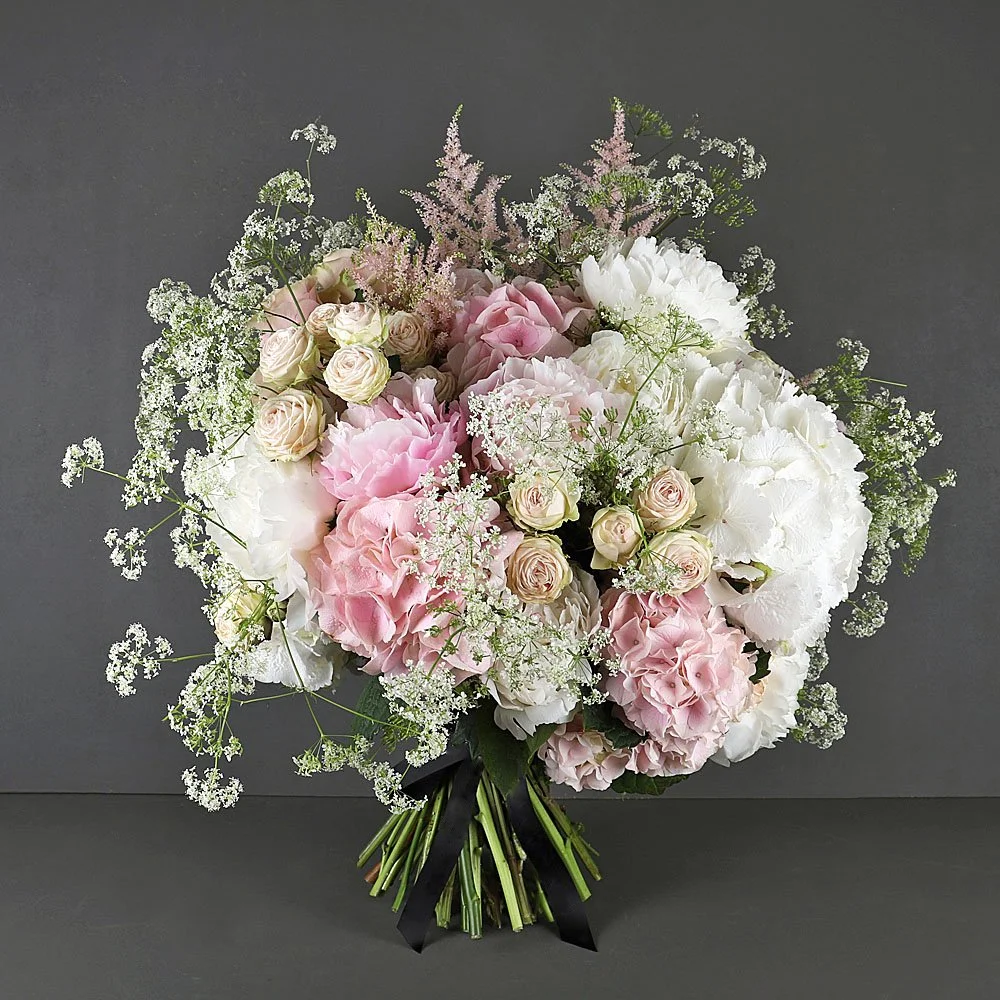
Introducing the exquisite Pearlescent Whisper bouquet, an ethereal ensemble of gentle pale pinks and whites that will captivate the senses and fill the ambiance with celestial tranquility. Delicately handcrafted, this floral masterpiece combines the softest petal shades to evoke feelings of grace, elegance, and serenity.
Proceed to checkout to choose a Delivery Date and write a Message Card.
Flower variety may differ according to seasonality, but will always be of similar style, quality and value.
This bouquet is available in four sizes:
:: Small bouquet measures approximately 25cm in diameter
:: Medium bouquet measures approximately 30cm in diameter
:: Large bouquet measures approximately 35cm in diameter
:: Extra Large bouquet measures approximately 40cm in diameter
Image represents Large size
You can add a glass vase to your order here
Roses are beloved flowers known for their beauty and fragrance. Various regions around the globe are famous for cultivating these blooms, each offering unique characteristics influenced by climate, soil, and cultivation techniques. Here’s a look at some of the most notable rose growing regions:
1. Grasse, France
Grasse is often referred to as the 'Perfume Capital of the World'. The region's warm Mediterranean climate and chalky soil provide ideal conditions for growing Centifolia and Damask roses, which are prized for their fragrant oils used in perfumes. The annual Rose Festival celebrates the region’s floral heritage, attracting visitors from around the globe.
2. The Netherlands
The Netherlands is renowned for its extensive rose cultivation, particularly in the regions around Aalsmeer and Naaldwijk. Dutch growers utilise advanced techniques in greenhouse cultivation, producing a diverse array of rose varieties. This country is a leading exporter of roses, supplying flower markets worldwide. The focus on sustainability and innovation has cemented the Netherlands' status in the floriculture industry.
3. Ecuador
Ecuador is famous for its long-stemmed roses, which are cultivated in high-altitude regions such as Cayambe and Cotopaxi. The country’s unique climate, characterised by sunlight and cool temperatures, allows for longer blooming cycles and vibrant colours. Ecuadorian roses are sought after for their exceptional quality and are exported to markets globally, especially in North America and Europe.
4. Colombia
Similar to Ecuador, Colombia is recognised for its premium quality roses, particularly in the savannah regions around Bogotá. The country's ideal altitude, along with the rich volcanic soil, results in robust and vividly coloured blooms. Colombian roses are particularly popular for special occasions and events, reflecting the country’s dedication to high-quality floriculture.
5. California, USA
California, particularly in regions like Los Angeles and the Central Valley, is a significant producer of roses in North America. The climate is favourable for various rose types, and many commercial rose growers focus on hybrid varieties for both cut flowers and ornamental use. The local rose industry is well-supported by the state’s agricultural initiatives, allowing for innovation and sustainability practices in cultivation.
6. Turkey
Turkey, with its diverse climate and rich soil, is known for traditional rose production, especially in regions such as Isparta and Burdur. Turkish roses, particularly the Damask rose, are renowned for their fragrance and are extensively used in the production of rose oil, which is a key ingredient in perfumes and cosmetic products.
7. India
In India, particularly in states like Maharashtra and Karnataka, the rose is a popular flower due to its cultural significance. The climate is conducive to growing a variety of species, ranging from aromatic to hybrid roses. India not only caters to local markets but also exports roses, especially during festive seasons.
Singapore florist recommendations
Each of these regions contributes uniquely to the world of rose cultivation, driven by favourable climates, innovative practices, and cultural significance. Whether for perfume, decoration, or gifting, the roses from these areas continue to enchant and inspire flower enthusiasts around the world.
Flower Symbolism for a Graduation Bouquet

A vibrant and captivating floral arrangement that embodies the essence of joyful adventures and warm summer days. The star of this bouquet is the resplendent sunflower, radiating with golden hues that mirror the sun's touch. Complementing this stunning centerpiece are an assortment of equally enchanting blooms, each carefully selected to evoke the feeling of winding through sun-kissed fields.
Proceed to checkout to choose a Delivery Date and write a Message Card.
Flower variety may differ according to seasonality, but will always be of similar style, quality and value.
This bouquet is available in four sizes:
:: Small bouquet measures approximately 25cm in diameter
:: Medium bouquet measures approximately 30cm in diameter
:: Large bouquet measures approximately 35cm in diameter
:: Extra Large bouquet measures approximately 40cm in diameter
Image represents Large size
You can add a glass vase to your order here
Graduation is a significant milestone, marking the culmination of years of hard work and dedication. Choosing the right flowers for a graduation bouquet can enhance the celebration and convey heartfelt wishes. Here’s a Singapore guide to the symbolism of popular flowers suitable for a graduation bouquet:
1. Tulips
Meaning: Perfect love and new beginnings.
Symbolism: Tulips express a wish for continued success and a bright future. Their vibrant colours can represent the joy of achievement.
2. Daisies
Meaning: Innocence and purity.
Symbolism: Daisies carry a cheerful connotation, evoking the hopeful outlook of a graduate stepping into the next phase of life.
3. Roses
Meaning: Love and appreciation.
Symbolism: Different coloured roses convey various messages; for example, yellow roses symbolise friendship and joy, making them ideal for celebrating accomplishments.
4. Sunflowers
Meaning: Adoration and loyalty.
Symbolism: Sunflowers are known for their brightness and warmth, representing a positive outlook and encouragement for future endeavours.
5. Lilies
Meaning: Purity and refined beauty.
Symbolism: Lilies can denote a sense of accomplishment and are often associated with celebration and new beginnings.
6. Irises
Meaning: Wisdom and hope.
Symbolism: The iris flower represents admiration and respect, suitable for recognising a graduate's hard work and perseverance.
7. Chrysanthemums
Meaning: Optimism and longevity.
Symbolism: These flowers embody a wish for a successful journey ahead, highlighting resilience and strength.
8. Orchids
Meaning: Exotic beauty and thoughtfulness.
Symbolism: Orchids represent unique accomplishments and the beauty of individuality, perfect for a graduate who has stood out in their field.
9. Gerbera Daisies
Meaning: Joy and cheerfulness.
Symbolism: These flowers bring a vibrant splash of colour and convey a sense of joy, making them an excellent choice for a celebratory bouquet.
10. Freesia
Meaning: Friendship and trust.
Symbolism: Freesia conveys a message of love and support, symbolising the bonds made during one’s educational journey.
When selecting flowers for a graduation bouquet, consider combining various blooms to convey a deeper message. Each flower’s symbolism can beautifully express your pride and excitement for the graduate’s future. Moreover, their arrangement can elevate the sentiment, making the bouquet not only a gift but a memorable representation of this important milestone.
Symbolism of Different Bouquet Styles for a Wedding Anniversary

Created with delicate precision, each bloom is carefully chosen to create a harmonious fusion of pink hues. Imagine being captivated by the enchanting combination of soft blush, vibrant fuchsia, and elegant pastel. The bouquet is expertly arranged to showcase the beauty of each flower, creating a stunning and opulent centerpiece. Elevate your floral experience and immerse yourself in its unapologetically lavish charm.
Proceed to checkout to choose a Delivery Date and write a Message Card.
Flower variety may differ according to seasonality, but will always be of similar style, quality and value.
This bouquet is available in four sizes:
:: Small bouquet measures approximately 25cm in diameter
:: Medium bouquet measures approximately 30cm in diameter
:: Large bouquet measures approximately 35cm in diameter
:: Extra Large bouquet measures approximately 40cm in diameter
Image represents Large size
You can add a glass vase to your order here
Choosing the right bouquet style for a wedding anniversary can reflect personal sentiments and cherished memories. Here’s a guide to the symbolism associated with various bouquet styles:
1. Traditional Round Bouquet
Symbolism: This classic style represents harmony and unity. The circular shape signifies an everlasting bond and continuity in the relationship.
Flowers: Roses, lilies, and orchids are commonly used, each adding a layer of meaning—roses for love, lilies for purity, and orchids for strength.
2. Cascading Bouquet
Symbolism: A cascading bouquet represents growth and abundance. Its flowing design signifies the blossoming of love over the years.
Flowers: Incorporating rich varieties like calla lilies, tulips, and ivy can highlight the beauty of a thriving relationship.
3. Wildflower Bouquet
Symbolism: This informal style embodies spontaneity and the joy of an unstructured love life. It suggests a carefree, adventurous spirit within the relationship.
Flowers: A mix of seasonal blooms like daisies, sunflowers, and forget-me-nots can convey the beauty of treasured memories.
4. Vintage Bouquet
Symbolism: A vintage-style bouquet reflects nostalgia and timelessness, making it a perfect nod to cherished moments spent together.
Flowers: Use soft hues and antique blooms such as peonies, anemones, and garden roses to evoke a sense of classic romance.
5. Monochromatic Bouquet
Symbolism: A monochromatic bouquet focuses on unity and simplicity, indicating a harmonious relationship. It speaks to the idea that love can be found in simplicity.
Flowers: Choose flowers in varying shades of a single colour, such as white roses or red tulips, to express depth and nuance in the bond.
6. Compact Posy Bouquet
Symbolism: This small, careful arrangement symbolizes intimacy and closeness. It reflects a strong, personal bond and can evoke memories of special moments shared together.
Flowers: Combine small blooms like sweet peas, baby’s breath, or mini roses for a delicate yet meaningful presentation.
7. Garden-Style Bouquet
Symbolism: A garden-style bouquet represents flourishing love, emphasising the idea of nurturing and growing together. It embodies a natural and unrefined aesthetic, often linked to home and comfort.
Flowers: Use a variety of blooms and greenery, such as hydrangeas, stocks, and herbs, to create a lush and abundant feel.
8. Pomander Bouquet
Symbolism: Often suspended from a ribbon, a pomander bouquet signifies celebration and joy. It's an unconventional choice that expresses creativity and fun in the relationship.
Flowers: Consider vibrant flowers like carnations or chrysanthemums, which can signify admiration and optimism.
When selecting a bouquet style for a wedding anniversary, consider the unique experiences shared. Each style carries its own story, making the gift of flowers a thought-provoking expression of love and commitment.
Ordering flower bouquets in singapore with symbolism
A luxurious bouquet that will ignite your senses and leave you in awe. This enchanting arrangement combines a symphony of vibrant hues, seamlessly blending together to create a stunning visual melody that will captivate any recipient. Blossoms in every shade of the rainbow dance together in perfect unison, radiating elegance and sophistication.
Proceed to checkout to choose a Delivery Date and write a Message Card.
Flower variety may differ according to seasonality, but will always be of similar style, quality and value.
This bouquet is available in four sizes:
:: Small bouquet measures approximately 25cm in diameter
:: Medium bouquet measures approximately 30cm in diameter
:: Large bouquet measures approximately 35cm in diameter
:: Extra Large bouquet measures approximately 40cm in diameter
Image represents Extra Large size
You can add a glass vase to your order here
To symbolise Singapore's multiculturalism in a flower bouquet, one must carefully select blooms that represent the diverse ethnicities and cultures coexisting harmoniously in the nation.
Orchids: Known as Singapore's national flower, orchids are perfect for representing the country's identity. Their elegance and variety reflect both beauty and diversity.
Roses: Incorporate roses in different colours, symbolising love and appreciation across cultures. Red, yellow, and white roses can represent various aspects of love, friendship, and purity, connecting with various traditions.
Lotus Flowers: As a symbol of purity and enlightenment in many cultures, the lotus can stand for harmony and the ability to rise above challenges, significant themes within Singapore's multicultural framework.
Chrysanthemums: Popular in Chinese culture, these flowers symbolise longevity and vitality. Including them acknowledges the Chinese presence and contributions to Singapore’s rich tapestry.
Hibiscus: The hibiscus can represent the Malay community, symbolising the beauty of the local heritage. This vibrant flower adds colour and life to the bouquet.
Sunflowers: With their bright, cheerful disposition, sunflowers can represent the vibrancy of life within the community. They are universal symbols of positivity.
Bird of Paradise: This exotic flower signifies freedom and joy, reminiscent of the multicultural environment where diverse groups coexist freely.
Arranging these flowers together can create a bouquet that not only delights the senses but also tells a story of unity and diversity. By incorporating blooms meaningful to various cultures, one can celebrate the spirit of Singapore and its multicultural essence beautifully through floral art.
Unsual focal flowers for an exquisite bouquet
When creating a bouquet that stands out, consider incorporating unusual focal flowers that add character and uniqueness. Here are some intriguing options:
Embrace the vibrant beauty of spring and summer with our elegant and whimsical Marmalade Meadow bouquet. Bursting with a charming assortment of seasonal blooms, this bouquet is carefully crafted to bring the essence of a sun-kissed meadow right into your home. The warm hues of intertwine to create a harmonious symphony of colours reminiscent of a picturesque meadow at dawn.
Proceed to checkout to choose a Delivery Date and write a Message Card.
Flower variety may differ according to seasonality, but will always be of similar style, quality and value.
This bouquet is available in four sizes:
:: Small bouquet measures approximately 25cm in diameter
:: Medium bouquet measures approximately 30cm in diameter
:: Large bouquet measures approximately 35cm in diameter
:: Extra Large bouquet measures approximately 40cm in diameter
Image represents Large size
You can add a glass vase to your order here
King Protea - With its striking appearance and large, spiky petals, the King Protea serves as an eye-catching centrepiece, symbolising strength and courage.
Anthurium - Known for its glossy, heart-shaped flowers and vibrant colours, anthuriums bring a modern and exotic flair to bouquets, perfect for contemporary arrangements.
Bird of Paradise - Resembling a colourful bird in flight, this tropical flower adds a bold and dramatic touch, ideal for a tropical or vibrant theme.
Fritillaria - The unique bell-shaped flowers and interesting patterns make fritillaria a charming addition, offering an unexpected twist to traditional bouquets.
Cymbidium Orchids - These orchids have a sculptural quality and can add elegance and sophistication, available in a variety of colours to suit any theme.
Tulip Peonies - Combining the shape of tulips with the lushness of peonies, this rare hybrid provides a romantic and luxurious feel, perfect for special occasions.
Heliconia - Often called "lobster-claw" for its distinct shape, heliconia brings a tropical essence to any arrangement while standing tall and proud.
Grevillea - With its spidery blooms and unusual form, grevillea offers a wild, organic touch that complements more traditional flowers beautifully.
Scabiosa - With its pincushion-like appearance and delicate petals, scabiosa adds a whimsical element, perfect for creating a soft and dreamy bouquet.
Dahlia - Particularly the dinner-plate variety, dahlias can provide a show-stopping focal point with their intricate layers and bold colours.
Incorporating these unusual focal flowers can elevate your bouquet, making it a memorable arrangement for any occasion.
Guide to Flower Growing Regions in Europe
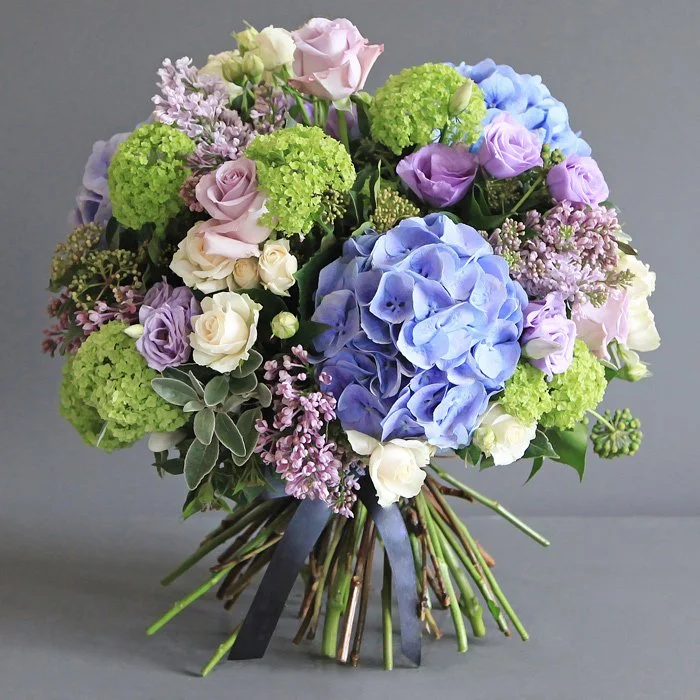
An enchanting ensemble of delicate blooms that evoke an ethereal symphony of colours and fragrances. This captivating arrangement features an assortment of pastel-hued seasonal flowers, meticulously hand-picked to convey a sense of timeless elegance and grace. Each stem is artfully arranged to showcase the natural beauty of the flowers, creating a harmonious composition that indulges the senses. Soft pinks, creamy whites, and gentle lavenders dance together in perfect balance, exuding a serene and romantic aura that is simply mesmerizing.
Proceed to checkout to choose a Delivery Date and write a Message Card.
Flower variety may differ according to seasonality, but will always be of similar style, quality and value.
This bouquet is available in four sizes:
:: Small bouquet measures approximately 25cm in diameter
:: Medium bouquet measures approximately 30cm in diameter
:: Large bouquet measures approximately 35cm in diameter
:: Extra Large bouquet measures approximately 40cm in diameter
Image represents Large size
You can add a glass vase to your order here
Europe is renowned for its diverse and picturesque landscapes, making it an ideal location for cultivating a wide variety of flowers. This florist guide explores some of the prominent flower growing regions across the continent, highlighting their unique characteristics and the types of flowers they produce.
1. The Netherlands
Overview
The Netherlands is often referred to as the flower capital of the world, famous for its tulip fields, vibrant flower markets, and advanced horticultural practices.
Key Flowers
Tulips: The most iconic flower, with many varieties blooming in spring.
Daffodils: Popular for their bright yellow blooms and early spring flowering.
Hyacinths: Known for their fragrant flowers, typically found in shades of purple, blue, pink, and white.
Notable Locations
Keukenhof: One of the largest flower gardens globally, open from mid-March to mid-May.
Noordoostpolder: Known for vast tulip fields and hosts the Tulip Route during bloom season.
2. Italy
Overview
Italy's Mediterranean climate provides an excellent environment for growing a wide range of flowers. Each region offers its unique floral treasures, from the north to the south.
Key Flowers
Roses: Grown extensively, particularly in the Tuscany region.
Lavender: Famous in Provence, France, but also found in Italian gardens.
Sunflowers: Thriving in the warmer regions, especially in Tuscany and Emilia-Romagna.
Notable Locations
Tuscany: Terra Firma Flower Farms in this region exemplify the diverse flower cultivation here.
Sicily: Known for its colourful coastal gardens and vibrant blooms.
3. France
Overview
France is distinguished for its romantic gardens and flower festivals, particularly in regions known for their picturesque landscapes and rich horticultural history.
Key Flowers
Lavender: Primarily found in Provence, renowned for its aromatic scent and vibrant purple fields.
Peonies: Popular in various gardens, these blooms are cherished for their lush, full heads.
Iris: Particularly associated with the Loire Valley, known for its stunning variety.
Notable Locations
Provence: Lavender fields are a major draw for tourists, especially during the summer months.
Loire Valley: Famous for its châteaux and beautiful gardens filled with various flowers.
4. Germany
Overview
Germany boasts a variety of climates, allowing for diverse floral cultivation. The country is known for its thorough horticultural excellence.
Key Flowers
Dahlias: Popular in late summer, with a wide range of colours and shapes.
Geraniums: Often grown in window boxes and gardens across the country.
Rudbeckia: Known as Black-eyed Susan, this flower thrives in many German gardens.
Notable Locations
Bavaria: Best known for its lush gardens and flower festivals.
Berlin: The city hosts numerous flower markets and fairs throughout the year.
5. United Kingdom
Overview
The UK is known for its traditional gardens, native wildflowers, and various cultivated species, flourishing in its temperate climate.
Key Flowers
Roses: A staple of British gardens, particularly traditional English varieties.
Foxgloves: Loved for their tall spires, commonly seen in wildflower meadows.
Poppies: Celebrated for their striking red blooms and cultural significance.
Notable Locations
Cornwall: Known for its beautiful gardens and mild climate.
Kew Gardens: Home to an extensive collection of plants and flowers from around the world.
Top florist tips
Europe's diverse climates and rich horticultural traditions make it a prime region for flower cultivation. From the vibrant tulips of the Netherlands to the aromatic lavender of Provence, each region contributes its unique charm to the floral landscape of the continent. Whether you are a gardening enthusiast or simply an admirer of nature's beauty, exploring these flower growing regions offers endless inspiration.
Guide to Flower Growing Regions in Africa
Created with delicate precision, each bloom is carefully chosen to create a harmonious fusion of pink hues. Imagine being captivated by the enchanting combination of soft blush, vibrant fuchsia, and elegant pastel. The bouquet is expertly arranged to showcase the beauty of each flower, creating a stunning and opulent centerpiece. Elevate your floral experience and immerse yourself in its unapologetically lavish charm.
Proceed to checkout to choose a Delivery Date and write a Message Card.
Flower variety may differ according to seasonality, but will always be of similar style, quality and value.
This bouquet is available in four sizes:
:: Small bouquet measures approximately 25cm in diameter
:: Medium bouquet measures approximately 30cm in diameter
:: Large bouquet measures approximately 35cm in diameter
:: Extra Large bouquet measures approximately 40cm in diameter
Image represents Large size
You can add a glass vase to your order here
Africa is home to a diverse range of climates and landscapes, making it an ideal continent for flower cultivation. Its various regions offer unique advantages for growing different types of flowers. Below is an overview of some of the prominent flower-growing regions in Africa.
1. South Africa
Western Cape
Climate: Mediterranean, with wet winters and dry summers.
Key Flowers: Proteas, Daisies, Cape Fynbos species.
Notes: The Western Cape is renowned for its fynbos biome, hosting a variety of indigenous plants that are both beautiful and hardy. The region is a major exporter of cut flowers.
Kwazulu-Natal
Climate: Humid subtropical, with warm temperatures year-round.
Key Flowers: Orchids, Lily varieties, and Bougainvillea.
Notes: The rich biodiversity, along with regular rainfall, allows for lush flower gardens and nurseries.
2. Kenya
Central and Rift Valley Regions
Climate: Highland climate with cooler temperatures and adequate rainfall.
Key Flowers: Roses, Lilies, and Carnations.
Notes: Kenya is one of the leading flower exporters in Africa, with vast farms producing high-quality cut flowers. The altitude contributes to the long stems and vibrant colours.
Lake Naivasha
Climate: Temperate with fertile soil.
Key Flowers: Various types of ornamental flowers and foliage.
Notes: This lake region is known for its ideal growing conditions and hosts several large-scale flower farms.
3. Ethiopia
Addis Ababa and Surrounding Areas
Climate: Highland climate with cool temperatures.
Key Flowers: Roses, Gerberas, and other seasonal flowers.
Notes: With its favourable climate and elevation, Ethiopia has become a significant player in the global flower market, particularly in rose production.
4. Tanzania
Southern Highlands
Climate: Cool and moist, especially around Mount Kilimanjaro.
Key Flowers: Lilies and various ornamental plants.
Notes: This region benefits from volcanic soil, which is rich in nutrients, and has been increasingly recognised for its flower production capabilities.
5. Zimbabwe
Harare Region
Climate: Mild, with seasonal rains.
Key Flowers: Roses, Carnations, and Chrysanthemums.
Notes: Zimbabwe has a strong flower-growing industry, catering both to local markets and exports, particularly in the floricultural trade.
Singapore flower delivery
Africa's flower-growing regions each offer unique climates and conditions suited to specific types of flowers. From the indigenous species of South Africa to the commercial rose farms of Kenya and Ethiopia, the continent is rich in floral diversity. This potential not only contributes to the beauty of the environment but also supports local economies and international trade in flowers.
A Guide to Spooky Floral Varieties for Halloween Bouquets

Inspired by the vibrant hues of tangerine oranges, this exquisite bouquet captures the essence of freshness and joy. Bursting with bright orange blooms accented by lush green foliage, this sun-kissed bouquet is a stunning arrangement that brings a touch of zest and elegance to any space. Whether as a gift to celebrate a special occasion or to brighten up your own surroundings, this bouquet is a beautiful choice that is sure to leave a lasting impression.
Proceed to checkout to choose a Delivery Date and write a Message Card.
Flower variety may differ according to seasonality, but will always be of similar style, quality and value.
This bouquet is available in four sizes:
:: Small bouquet measures approximately 25cm in diameter
:: Medium bouquet measures approximately 30cm in diameter
:: Large bouquet measures approximately 35cm in diameter
:: Extra Large bouquet measures approximately 40cm in diameter
Image represents Extra Large size
You can add a glass vase to your order here
When crafting Halloween-inspired bouquets, certain flower varieties can lend an appropriately eerie and autumnal aesthetic. Consider incorporating these blooms to create a hauntingly beautiful arrangement:
Black Baccara Roses: These deep, velvety red roses have a gothic, almost black appearance that is perfect for Halloween.
Anemones: The bold, jewel-toned centres of anemones resemble curious eyes, while their delicate petals evoke an otherworldly quality.
Dahlias: With their dramatic, almost spiky forms, dahlias in shades of burgundy, plum, and deep orange make a striking statement.
Ranunculus: The ruffled, rose-like blooms of ranunculus come in a variety of moody hues, from deep crimson to nearly black.
Hellebores: Also known as "Christmas roses," these nodding, cup-shaped flowers have a mystical, almost haunting appearance.
Scabiosa: The pincushion-like flowers of scabiosa, in shades of deep purple and black, lend a gothic charm to arrangements.
Privet Berries: These inky black berries add a touch of eerie elegance when incorporated into Halloween bouquets.
When arranging these spooky blooms, consider pairing them with textural elements like dried leaves, twigs, and berries to enhance the autumnal, Halloween-inspired aesthetic.
Celebrating Diwali with Vibrant Flower Varieties
A luxurious bouquet that will ignite your senses and leave you in awe. This enchanting arrangement combines a symphony of vibrant hues, seamlessly blending together to create a stunning visual melody that will captivate any recipient. Blossoms in every shade of the rainbow dance together in perfect unison, radiating elegance and sophistication.
Proceed to checkout to choose a Delivery Date and write a Message Card.
Flower variety may differ according to seasonality, but will always be of similar style, quality and value.
This bouquet is available in four sizes:
:: Small bouquet measures approximately 25cm in diameter
:: Medium bouquet measures approximately 30cm in diameter
:: Large bouquet measures approximately 35cm in diameter
:: Extra Large bouquet measures approximately 40cm in diameter
Image represents Extra Large size
You can add a glass vase to your order here
Diwali, the Festival of Lights, is a time of joy, celebration, and renewal. As you prepare to commemorate this auspicious occasion, consider incorporating the vibrant beauty of flowers into your festivities. Here are some flower varieties that are particularly well-suited for Diwali celebrations:
Marigolds (Tagetes)
Marigolds are a quintessential Diwali flower, symbolising prosperity, wealth, and good fortune. Their warm, golden hues and robust blooms make them a popular choice for decorating homes, temples, and offering garlands.
Chrysanthemums (Chrysanthemum)
These cheerful flowers, available in a range of colours, including white, yellow, and vibrant shades of red and orange, are often used in Diwali decorations and offerings. Their long-lasting blooms make them a practical and visually striking choice.
Roses (Rosa)
The timeless elegance of roses is a perfect fit for Diwali celebrations. Whether you opt for classic red roses or explore the vibrant shades of orange, pink, or yellow, these flowers can add a touch of romance and sophistication to your Diwali decor.
Lilies (Lilium)
Fragrant and stately, lilies are a popular choice for Diwali flower arrangements and bouquets. Their trumpet-shaped blooms, available in white, yellow, and orange, symbolise purity, wealth, and prosperity.
Jasmine (Jasminum)
The delicate, aromatic blooms of jasmine are often used in traditional Diwali rituals and decorations. Their pure white hue and delicate fragrance make them a cherished addition to Diwali celebrations.
When selecting flowers for your Diwali festivities, consider the symbolic meanings and visual impact of each variety. Combine them in vibrant bouquets, garlands, or use them to adorn your home, creating a warm and welcoming atmosphere for this joyous occasion.
A Florist's Guide to Scabiosa Varieties
An enchanting ensemble of delicate blooms that evoke an ethereal symphony of colours and fragrances. This captivating arrangement features an assortment of pastel-hued seasonal flowers, meticulously hand-picked to convey a sense of timeless elegance and grace. Each stem is artfully arranged to showcase the natural beauty of the flowers, creating a harmonious composition that indulges the senses. Soft pinks, creamy whites, and gentle lavenders dance together in perfect balance, exuding a serene and romantic aura that is simply mesmerizing.
Proceed to checkout to choose a Delivery Date and write a Message Card.
Flower variety may differ according to seasonality, but will always be of similar style, quality and value.
This bouquet is available in four sizes:
:: Small bouquet measures approximately 25cm in diameter
:: Medium bouquet measures approximately 30cm in diameter
:: Large bouquet measures approximately 35cm in diameter
:: Extra Large bouquet measures approximately 40cm in diameter
Image represents Large size
You can add a glass vase to your order here
Scabiosa, also known as the pincushion flower, is a versatile and captivating bloom that adds charm and elegance to any floral arrangement. As a florist, it's essential to understand the diverse range of scabiosa varieties to ensure you can create stunning bouquets that cater to your customers' preferences.
Scabiosa Caucasica
Scabiosa caucasica, or the Caucasian scabiosa, is a perennial variety known for its large, pom-pom-like flowers. These blooms come in shades of blue, lavender, and white, making them a popular choice for romantic and vintage-inspired arrangements.
Scabiosa Atropurpurea
Scabiosa atropurpurea, or the sweet scabiosa, is an annual variety that boasts a vibrant colour palette. Its flowers range from deep burgundy to rich purple, with delicate, fringed petals that create a captivating visual interest.
Scabiosa Columbaria
Scabiosa columbaria, or the small scabiosa, is a compact and delicate variety that works well in both formal and informal arrangements. Its small, button-like flowers come in shades of blue, pink, and white, making it a versatile choice for bouquets and centrepieces.
Scabiosa Stellata
Scabiosa stellata, or the starry scabiosa, is a unique variety that features a distinctive, star-shaped bloom. Its flowers come in shades of white, pink, and lavender, and their intricate structure adds a touch of whimsy to any floral design.
By understanding the diverse range of scabiosa varieties, florists can create stunning and memorable arrangements that cater to their customers' individual preferences and the occasion at hand.
A Florist's Guide to Different Chrysanthemum Varieties
Chrysanthemums, commonly referred to as mums, are versatile flowers that can add colour and texture to any floral arrangement. Here is a Singapore florist guide to some of the most popular varieties of chrysanthemums, their characteristics, and their ideal uses in floral design.
1. Decorative Chrysanthemums
These varieties are often larger and have a more spherical shape. They come in a range of colours and are known for their thick, lush blooms.
Uses: Excellent for arrangements where a bold presence is desired. They are perfect for weddings, centrepieces, and celebrations.
2. Pompon Chrysanthemums
Pompon mums are small and spherical, resembling little balls of colour. They offer a delightful texture and fullness to arrangements.
Uses: Ideal for creating compact bouquets or mixed arrangements. They can also be used to create borders in floral designs.
3. Spider Chrysanthemums
Known for their elongated petals that resemble spider legs, these chrysanthemums are unique and eye-catching. They often feature a mix of colours.
Uses: These flowers lend a playful touch to floral arrangements, making them great for contemporary bouquets and casual designs.
4. Indica Chrysanthemums
Indica varieties are larger and tend to have a semi-regular shape. They often present a more casual look compared to decorated types.
Uses: A good choice for informal arrangements. They are often used in autumn displays due to their rich colours and abundance.
5. Cushion Chrysanthemums
Cushion mums are characterised by their rounded shape and dense blooms. They are typically more compact than other varieties.
Uses: Perfect for tight arrangements and floral clusters. Their shape adds texture and dimension without overwhelming other flowers.
6. Single Bloom Chrysanthemums
These feature a single row of petals around a central disk, leading to a more dainty appearance. They can come in various colours and sizes.
Uses: Ideal for minimalistic arrangements or as fillers in more complex designs. They work well in garden-style bouquets.
7. Anemone Chrysanthemums
Anemone mum varieties resemble the structure of anemones, with a central eye that contrasts beautifully with the surrounding petals.
Uses: Excellent for adding interest to arrangements. They blend well with both garden-style and traditional floral designs.
8. Matsumoto Chrysanthemums
These are unique for their fringed petals, which create a ruffled appearance. They can add a whimsical touch to floral schemes.
Uses: Fantastic for mixed bouquets and arrangements aiming for a more playful or relaxed aesthetic.
Tips for Florists
Seasonality: Chrysanthemums are typically available year-round but peak around autumn. Incorporate them into seasonal arrangements.
Care: Cut stems at an angle, remove lower leaves, and place them in clean water to prolong their life.
Combining: Mums can be successfully paired with other flowers like roses, lilies, and greenery to create vibrant compositions.
Utilising different chrysanthemum varieties can elevate your floral arrangements, providing a range of textures and colours that can suit any occasion. With their long-lasting blooms and diverse forms, chrysanthemums are a staple in every florist's repertoire.
Florist's Guide to Lily Varieties
Lily varieties are cherished for their elegance and beauty, making them a popular choice in floral arrangements. Each type has unique characteristics, making them suitable for various occasions. Below is a Singapore flower delivery guide to some of the most notable lily varieties.
1. Asiatic Lilies
Description: Asiatic lilies are known for their vibrant colours and large blooms. They usually have a simple shape and lack fragrance, which makes them ideal for those sensitive to strong scents.
Colours: Available in various shades, including orange, yellow, pink, and white.
Care: These lilies prefer bright sunlight and well-drained soil. Regular watering is essential, especially during their flowering phase.
Occasions: Perfect for cheerful arrangements celebrating birthdays or congratulatory events.
2. Oriental Lilies
Description: Oriental lilies are renowned for their large, fragrant blooms. They are usually star-shaped and can be quite extravagant.
Colours: Typically found in shades of pink, white, and red, often adorned with contrasting spots.
Care: Thrives in full sun with moist, slightly acidic soil. Ensure adequate drainage to prevent bulb rot.
Occasions: Commonly used for romantic occasions, anniversaries, and elegant events due to their fragrant allure.
3. Trumpet Lilies
Description: Trumpet lilies, known for their trumpet-like flowers, can grow quite tall. They are valued for their lovely scent and sturdy stems.
Colours: Found mainly in white and yellow, with some hybrids showcasing deep orange hues.
Care: They prefer full sun and well-drained, fertile soil. Provide support for taller varieties as they can become top-heavy.
Occasions: Ideal for grand celebrations such as weddings or formal arrangements where height is an asset.
4. Longiflorum Lilies
Description: Also known as Easter lilies, Longiflorum lilies have large, white, trumpet-shaped flowers. They are often associated with purity and renewal.
Colours: Primarily white, symbolising peace and virtue, though some varieties may have subtle pink hues.
Care: Prefers cool conditions with well-drained soil. It’s essential to keep the soil moist but not waterlogged.
Occasions: Typically used for Easter celebrations and memorials, as well as in sympathy arrangements.
5. LA Hybrid Lilies
Description: LA hybrids are a cross between Asiatic and Longiflorum lilies. They combine the best characteristics of both, offering lovely blooms with a moderate fragrance.
Colours: Available in a wide array, including pastel and bright colours.
Care: Requires full sun and well-draining soil. These lilies are generally hardier and more resilient than some other varieties.
Occasions: Versatile for many occasions, be it a birthday, wedding, or even corporate events.
6. Calla Lilies
Description: Technically not a true lily, Calla lilies are nonetheless popularly grouped with the more traditional varieties due to their elegant shape.
Colours: Available in a range of colours, including classic white, deep purple, and striking yellow.
Care: Prefers rich, well-draining soil and can thrive in partial shade to full sun. Adequate watering is crucial for these beauties.
Occasions: Favoured in modern arrangements, suitable for weddings, upscale events, and as a stunning single bloom.
Singapore florist recommendations
Understanding the various types of lilies allows florists to select the perfect variety for any occasion. Whether it’s a vibrant Asiatic lily for a birthday or a classic Oriental lily for romance, using the right type can enhance the emotional impact of your floral arrangements. Be sure to incorporate these guidelines into your floral designs to ensure that each bouquet or arrangement resonates beautifully with the intended recipient.
A Florist's Guide to Gladiolus
Gladiolus, commonly known as the sword lily, is a stunning flower that makes a bold statement in any arrangement. With their tall spiky shape and vibrant colours, these flowers are perfect for creating eye-catching bouquets for various occasions.
Botanical Characteristics
Scientific Name: Gladiolus hortulanus
Family: Iridaceae
Blooming Season: Late spring to late summer
Height: Typically ranges from 60 to 120 cm
Flowers: Large, trumpet-shaped blossoms that grow along a central stem
Popular Varieties
Gladiolus comes in many colours, including:
White
Pink
Red
Yellow
Orange
Purple
Symbolism
Gladiolus is often associated with strength, integrity, and sincerity. It also signifies remembrance and can represent the virtue of a loved one who has passed away.
Care Tips
Watering: Ensure the stems are placed in fresh water, changing it every two days to maintain freshness.
Heat and Light: Keep in a cool location, away from direct sunlight, to prevent wilting.
Foliage Removal: Trim any leaves that fall below the waterline to prevent bacterial growth.
Cutting: Harvest while the lower florets are open to ensure a beautiful display as they continue to bloom.
Arranging Gladiolus
Vertical Displays: Use gladiolus as a focal flower in arrangements due to their height. Pair them with smaller blooms for contrast.
Mixed Bouquets: Combine with flowers like roses and lilies for a lush, vibrant arrangement.
Standalone Arrangements: Gladiolus can be stunning on their own, placed in a tall vase with minimal foliage.
Seasonal Availability
Although gladiolus can be sourced year-round, their peak season is generally from late spring to late summer when they are most abundant.
Singapore florist tips
Gladiolus is an exquisite addition to any floral arrangement, celebrated for its dramatic presence and versatility. Whether used for special celebrations or to express heartfelt sentiments, these flowers are sure to convey deep emotions beautifully.