
Guide to Becoming a Florist in Singapore

1. Understand the Role of a Florist
A florist is responsible for designing and arranging flowers for various occasions, such as weddings, birthdays, and corporate events. Florists also manage the selection of floral supplies, provide customer service, and maintain the overall aesthetic of their shop.
2. Get Formal Education or Training
While formal education isn't mandatory, it can be advantageous. Consider taking courses in floristry, horticulture, or design. Institutions like the Singapore Floristry School or other vocational training centres offer programmes that cover the fundamentals of flower arrangement, plant care, and business management.
3. Gain Practical Experience
Look for apprenticeship or internship opportunities at local floristry shops. Hands-on experience will help you understand the day-to-day operations, acquire skills, and learn about customer preferences. Additionally, volunteering for events can enhance your portfolio.
4. Develop Floral Design Skills
Practice various floral arrangement styles, such as bouquets, centrepieces, and wreaths. Familiarise yourself with different types of flowers and their seasonal availability. Experiment with colour theory and design principles to create visually appealing arrangements.
5. Learn About Flower Care and Handling
Understanding how to care for and handle flowers is crucial. Research proper cutting techniques, hydration, and storage methods to prolong the lifespan of your arrangements. Familiarise yourself with common pests and diseases to ensure healthy blooms.
6. Build Your Portfolio
Create a visual portfolio showcasing your best work. Take high-quality photographs of your designs and arrangements. This portfolio will be invaluable when applying for jobs or showcasing your skills to potential clients.
7. Start Networking
Join local floristry associations, attend workshops, and participate in floral competitions. Networking with other florists and industry professionals can provide valuable insights, opportunities, and potential collaborations.
8. Consider Business Aspects
If you plan to open your own florist shop, understand the business side of operations, including pricing, marketing, and customer service. Research local regulations and acquire necessary licenses and permits to operate legally in Singapore.
9. Stay Updated with Trends
The floral industry is continually evolving. Keep abreast of the latest design trends, seasonal flowers, and new techniques by attending exhibitions, reading industry publications, and following popular florists on social media.
10. Develop Customer Service Skills
Strong customer service skills are essential for success as a florist. Learn to communicate effectively, manage expectations, and handle complaints. Building rapport with customers can lead to repeat business and referrals.
By following these steps, you can establish a successful career as a florist in Singapore, combining artistic expression with entrepreneurial skills.
Designing a Bespoke Bouquet with Florists in Singapore
Creating a bespoke bouquet is a personalised experience that reflects your individual style, emotions, and the specific occasion. Florists in Singapore are well-equipped to help you design a unique arrangement that meets your needs. Here’s how they can assist you in crafting the perfect bouquet.
1. Initial Consultation
Start by scheduling an appointment with your florist. During this consultation, discuss the purpose of the bouquet, whether it’s for a wedding, anniversary, birthday, or another celebration. Share any themes, colours, or particular flowers that hold significance for you.
2. Choosing the Right Flowers
Florists can guide you through the extensive range of flowers available. Consider factors such as:
Seasonality: Some flowers are only available during certain times of the year.
Symbolism: Different flowers convey different meanings. For example, roses express love, while lilies signify purity.
Personal Preference: Discuss favourite scents, colours, and types of flowers to ensure the bouquet resonates with your vision.
3. Selecting the Colour Palette
A well-coordinated colour palette is essential for a harmonious bouquet. Florists can help you choose complementary or contrasting colours based on current trends and your preferences. Remember to consider the recipient's tastes and the overall theme of the occasion.
4. Deciding on the Bouquet Style
There are various bouquet styles to consider, such as:
Hand-tied: A casual yet elegant arrangement.
Cascade: Flowing flowers for a dramatic effect, often used in bridal bouquets.
Posy: A compact arrangement suitable for smaller occasions. Discuss these options with your florist to determine which style suits your vision.
5. Accessorising the Bouquet
Accessories can enhance the overall look of your bouquet. Florists can suggest options such as:
Ribbons: Choose colours and materials that complement the flowers.
Foliage: Consider adding greenery for texture and depth.
Additional Elements: Incorporate items such as dried flowers, feathers, or even personalised notes.
6. Consideration of Size
The size of the bouquet should be proportional to the occasion and the recipient. Florists can advise you on sizes that suit differing contexts, ensuring that the bouquet is not only visually appealing but also practical for the intended use.
7. Finalising the Details
After collaborating on the design, the florist will confirm the order details, including the flowers, colours, size, and any accessories. Be sure to discuss delivery options, if required, to ensure the bouquet arrives on time and in pristine condition.
8. Feedback and Adjustments
Once the bouquet is completed, you may have a chance to preview it before it is delivered or picked up. Offer your feedback and discuss any adjustments needed to ensure the final product aligns with your expectations.
Partnering with a florist in Singapore to create a bespoke bouquet can be a rewarding experience that results in a beautiful, personalised gift. By following these steps, you can design an arrangement that effectively communicates your sentiments and enhances any occasion.
A Guide to Colour Theory in Floristry

Understanding colour theory is essential for florists, as it helps create visually appealing arrangements that evoke emotions and fit the occasion. This Singapore florist guide outlines the basics of colour theory and its application in floristry.
The Colour Wheel
At the core of colour theory is the colour wheel, which illustrates the relationship between primary, secondary, and tertiary colours.
Primary colours: Red, yellow, blue. These cannot be created from other colours.
Secondary colours: Green, orange, purple. These are formed by mixing two primary colours.
Tertiary colours: These result from mixing a primary and a secondary colour (e.g., red-orange, yellow-green).
Colour Harmony
Colour harmony creates a sense of balance and aesthetic appeal. The following are common colour schemes used in floristry:
Monochromatic: Involves variations of a single colour, creating depth through different shades and tints. This is ideal for conveying elegance and simplicity.
Analogous: Uses colours that are adjacent on the colour wheel. This scheme provides a harmonious look, perfect for romantic or serene arrangements.
Complementary: Comprises colours that are opposite each other on the colour wheel. This contrast can create vibrant and eye-catching arrangements, suitable for celebrations.
Triadic: Involves three colours that are evenly spaced around the colour wheel. This creates a dynamic and lively arrangement, often used for cheerful occasions.
Colour Psychology
Different colours evoke specific emotions and meanings. Understanding these can enhance the message of your floral arrangements:
Red: Represents love, passion, and excitement. Perfect for romantic arrangements.
Yellow: Symbolises happiness, friendship, and optimism. Ideal for cheerful occasions or to uplift someone's spirits.
Blue: Conveys calmness, trust, and peace. Suitable for serene arrangements.
Green: Represents growth, renewal, and balance. Often used in natural, fresh designs.
Purple: Signifies luxury, elegance, and creativity. A great choice for sophisticated events.
White: Symbolises purity, innocence, and simplicity. Perfect for weddings and memorials.
Seasonal Considerations
Seasons can greatly influence colour choices in floristry.
Spring: Soft pastels like pink, lavender, and pale yellow evoke a sense of renewal and growth.
Summer: Bright and bold colours, such as vibrant reds, oranges, and yellows, reflect the energy of the season.
Autumn: Warm, earthy tones like deep oranges, rusts, and burgundies resonate with the changing foliage.
Winter: Cool and muted colours, including whites, blues, and deep greens, can create a tranquil winter aesthetic.
Practical Tips for Floral Arrangements
Start with a Focal Flower: Choose a flower in your primary desired colour to act as the focal point for your arrangement.
Layering: Use lighter shades in the background and darker colours in the foreground to create depth.
Textural Balance: Combine different textures alongside your colour choices for visual interest—mixing smooth petals with fuzzy foliage, for instance.
Experiment: Don't hesitate to try unconventional colour combinations; floral arrangements offer flexibility and creativity.
By mastering colour theory, florists can create stunning arrangements that not only look beautiful but also convey the intended emotions and messages for various occasions.
A Guide to Sending Auspicious Flowers in Singapore

Flowers have long been associated with meanings and sentiments, making them a popular choice for various occasions in Singapore. To ensure that your floral gifts convey the right messages, especially during significant cultural events, it is essential to choose auspicious flowers. Here’s a Singapore florist guide to help you select and send the perfect blooms for various occasions.
1. Understanding Auspicious Flowers
In Singapore, certain flowers are considered auspicious due to their cultural significance and symbolic meanings. Here are a few popular choices:
Chrysanthemums: Often used in celebrations, they symbolise longevity and wealth.
Peonies: Known for their beauty, peonies represent good fortune and prosperity.
Orchids: A symbol of refinement, orchids embody love, beauty, and strength.
Lotus: This flower signifies purity and enlightenment, making it ideal for blessings and new beginnings.
Marigolds: Associated with happiness and good luck, marigolds are often used in festive celebrations.
2. Choosing the Right Occasion
Different occasions call for different flowers. Here are a few instances where sending flowers can convey your good intentions:
Celebratory Events
Weddings: Opt for peonies or orchids to wish the couple a prosperous life.
Birthdays: Choose vibrant bouquets with chrysanthemums to bring happiness and longevity.
Condolences
Funerals: White flowers, like lilies or chrysanthemums, are preferable as they convey sympathy and respect.
New Beginnings
Housewarming: Send a fresh bouquet of orchids or a potted plant like the peace lily, symbolising new opportunities.
Festivals
Lunar New Year: Bright, colourful flowers like marigolds and cherry blossoms are traditional, symbolising wealth and happiness.
3. Tips for Sending Flowers
Delivery Options: Many florists in Singapore, like Petal & Poem, offer same-day delivery, which is perfect if you need to send flowers at short notice.
Personal Touch: Include a handwritten card with a personalised message to enhance the sentiment of your gift.
Avoid Certain Flowers: Some flowers, such as white lilies and chrysanthemums, are often associated with funerals and should be avoided in cheerful celebrations.
4. The Art of Arranging Flowers
If you wish to add a personal touch, consider arranging the flowers yourself. Here are some tips:
Balance Colours: Use a combination of bright and soft colours to create a visually appealing arrangement.
Choose Appropriate Vases: Select vases that complement your flowers. Traditional ceramic vases work well for auspicious occasions.
Maintain Freshness: Always ensure your flowers are fresh and well-watered to convey care.
Tips for sending flowers in Singapore
Sending auspicious flowers in Singapore is a meaningful way to express sentiments and blessings. By understanding the significance of various flowers and selecting arrangements suited to specific occasions, you can convey your thoughts and wishes effectively. Whether it's for celebrations or gestures of goodwill, the right flowers can make a lasting impact.
Guide to Differentiating Premium Flowers from Normal Flowers
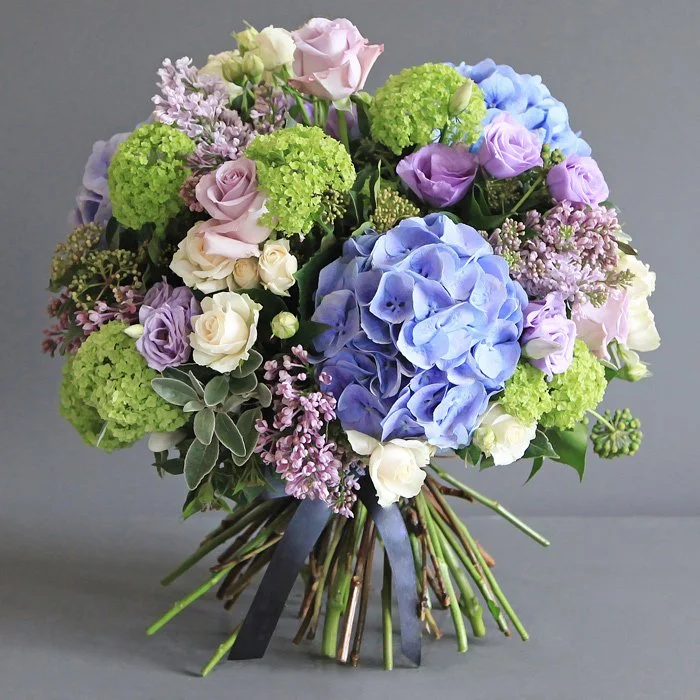
When selecting flowers, understanding the distinctions between premium and normal varieties can greatly enhance your floral experience. Here are the key factors that differentiate premium flowers from their standard counterparts:
1. Quality of Bloom
Premium flowers typically exhibit superior quality in their blooms. They tend to have fuller petals, brighter colours, and a more vibrant appearance. Normal flowers may exhibit irregular shapes, slight blemishes, or less intensity in colour.
2. Freshness and Longevity
Premium flowers are often fresher and have a longer lifespan. They are usually sourced from top growers, ensuring they are harvested at peak maturity. This quality not only enhances their aesthetic appeal but also allows them to last longer once arranged. Normal flowers may begin to wilt sooner and require careful handling to maintain their freshness.
3. Variety and Uniqueness
Premium flowers often include rare or unique varieties that are not commonly found in standard bouquets. These may include specialty orchids, exotic blooms, or seasonal florals that have a distinctive appeal. Normal flowers typically feature more common varieties like daisies and carnations.
4. Sustainability and Sourcing
Many premium flowers are sourced from sustainable farms that prioritise environmentally responsible practices. This can include organic farming techniques or fair trade certifications. Normal flowers may not have such assurance, which can impact their overall appeal to environmentally conscious consumers.
5. Arrangement and Presentation
Premium flowers are usually crafted into arrangements with a higher level of artistry and attention to detail. The choice of foliage, the balance of colours, and the use of decorative elements contribute to a more sophisticated presentation. Normal flower arrangements may be more utilitarian and lack the same level of design finesse.
6. Care and Handling
Premium flowers are often handled with greater care throughout the supply chain. This includes meticulous packing and transportation methods that protect the integrity of the blooms, ensuring they arrive in pristine condition. Normal flowers may not receive the same level of attention, leading to potential damage before reaching the consumer.
7. Price Point
Due to their superior quality, freshness, and sourcing, premium flowers generally come at a higher price point. It’s important to consider not just the initial cost but also the value they bring in terms of lasting beauty and impact.
Singapore florist tips
Selecting premium flowers over normal ones is a choice that can elevate any occasion. By understanding the differences in quality, variety, and care, consumers can make informed decisions that enhance their floral gifting experience. Whether celebrating a special moment or simply brightening a space, premium flowers provide an unmatched elegance and lasting impression.
Guide to the Symbolism of Different Flower Colours in Singapore Custom
In Singapore, flowers hold significant meaning, and their colours often convey specific sentiments. Understanding the symbolism of different flower colours can help you choose the perfect bouquet for any occasion.
Red Flowers
Symbolism: Love and passion.
Occasions: Commonly gifted on anniversaries, Valentine's Day, or to express deep affection.
Pink Flowers
Symbolism: Grace, admiration, and sweetness.
Occasions: Ideal for birthdays, thank-you gifts, or to express love in a softer manner, especially towards friends and family.
White Flowers
Symbolism: Purity, innocence, and remembrance.
Occasions: Frequently seen in weddings and name-day celebrations; also used in funerals as a sign of respect and mourning.
Yellow Flowers
Symbolism: Joy, friendship, and new beginnings.
Occasions: Perfect for congratulatory messages, celebrating achievements, or brightening someone's day.
Orange Flowers
Symbolism: Enthusiasm, creativity, and warmth.
Occasions: Great for energising gifts or celebrations where you want to inspire positivity and vitality.
Blue Flowers
Symbolism: Calmness, stability, and peace.
Occasions: Suitable for situations where you aim to soothe or console, such as during challenging times or as tokens of support.
Purple Flowers
Symbolism: Luxury, royalty, and ambition.
Occasions: Often chosen for significant milestones, such as graduations or promotions, reflecting high aspirations.
Green Flowers
Symbolism: Renewal, growth, and harmony.
Occasions: Ideal for gifts celebrating new life, such as housewarming or births, representing fresh starts and positivity.
Singapore florist
When selecting flowers to convey a message in Singapore, consider the colour and its associated meanings. This thoughtful approach can enhance the impact of your gesture, ensuring that your feelings are communicated effectively. Whether for celebrations or condolences, choosing the right flower colour adds depth to your kind intentions.
Popular Flowers Among Singaporeans
Singapore's vibrant multicultural society is reflected in its preference for a diverse range of flowers. From traditional floral arrangements to modern bouquets, several types of flowers stand out as favourites among residents.
1. Orchids
Orchids are perhaps the most iconic flowers associated with Singapore. As the national flower, the Vanda Miss Joaquim, a hybrid orchid, holds significant cultural importance. These flowers are favoured for their stunning beauty, variety of colours, and long-lasting blooms. Orchids are commonly used in both personal gifting and large-scale floral displays at events and festivals.
2. Roses
Roses are universally cherished, and Singapore is no exception. These classic blooms, often symbolising love and affection, are popular for romantic occasions such as anniversaries and Valentine's Day. Singaporeans often opt for bouquets that feature a range of colours, each conveying different meanings—from red roses representing love to yellow roses symbolising friendship.
3. Lilies
Lilies are another popular choice among Singaporeans, often used in bouquets for celebrations and commemorative occasions. Their large, striking blooms come in various colours, including white, orange, and pink, making them suitable for different floral arrangements. Lilies are known for their sweet fragrance, adding a sensory element to any setting.
4. Tulips
Tulips have gained popularity in recent years, admired for their elegance and simplicity. Available in numerous shades, these flowers bring a touch of spring to any arrangement. They are often chosen for birthday celebrations and casual gatherings, appreciated for their fresh appearance and ease of care.
5. Sunflowers
Sunflowers are increasingly favoured for their cheerful appearance and vibrant yellow hues. Their association with positivity and warmth makes them a popular choice for occasions that celebrate joy and happiness, such as graduations and birthdays. Additionally, sunflowers are often combined with other flowers to create stunning, colourful arrangements.
6. Carnations
With their ruffled petals and variety of colours, carnations are often included in mixed floral arrangements. Valued for their longevity, they’re a common selection for both casual and formal occasions. Carnations also hold cultural significance in Singapore and are frequently used during festive celebrations.
Singpoare florist insights
Singaporeans exhibit a rich preference for a variety of flowers that reflect their diverse cultures and occasions. From the delicate beauty of orchids to the cheerful presence of sunflowers, these flowers enhance celebrations, express emotions, and bring joy to everyday life. As the floral landscape continues to evolve, these popular blooms remain a staple in the hearts of Singaporeans.
Guide to Different Perfume Oils from Flowers
Perfume oils derived from flowers have been cherished for centuries, offering a natural and fragrant way to enhance one's presence. SG Florist guide guide will explore various flower-based perfume oils, highlighting their distinctive characteristics, benefits, and uses.
1. Rose Oil
Source: Rose petals, particularly from species like Rosa damascena.
Scent Profile: Sweet, floral, and rich with a hint of fruitiness.
Benefits: Known for its calming properties, rose oil is often used in aromatherapy to alleviate stress and promote relaxation. It is also reputed for its anti-ageing properties in skincare.
Uses: Ideal for romantic occasions, rose oil is commonly used in perfumes, massage oils, and skincare products.
2. Jasmine Oil
Source: Jasmine flowers, especially Jasminum officinale.
Scent Profile: Intense, sweet, and exotic floral scent with a hint of fruitiness.
Benefits: Jasmine oil is often associated with enhancing mood and confidence. It is also believed to have aphrodisiac properties and is used in treating anxiety.
Uses: Popular in luxury perfumes and as a base note in fragrance blends. It is also used in body oils and candles.
3. Lavender Oil
Source: Lavender flowers, primarily Lavandula angustifolia.
Scent Profile: Fresh, herbaceous, and floral with woody undertones.
Benefits: Renowned for its calming effects, lavender oil is used to promote restful sleep and reduce anxiety. It has antiseptic properties, making it beneficial for skincare.
Uses: Commonly found in aromatherapy, home fragrances, and personal care products, lavender oil is versatile for various applications.
4. Ylang Ylang Oil
Source: Ylang Ylang flowers, from the Cananga tree.
Scent Profile: Sweet, exotic, and slightly fruity with a rich, floral aroma.
Benefits: Known for its mood-lifting properties, Ylang Ylang oil is believed to reduce stress and tension. It also has beneficial effects on the skin, promoting a healthy complexion.
Uses: Frequently used in high-end perfumes and as a key ingredient in massage oils and body lotions.
5. Neroli Oil
Source: Bitter orange blossoms (Citrus aurantium).
Scent Profile: Fresh, sweet, and floral with citrus undertones.
Benefits: Neroli oil is favoured for its uplifting and calming effects, making it excellent for reducing anxiety. It is also celebrated for its skin-rejuvenating properties.
Uses: Often used in perfume formulations and skincare products, particularly for sensitive skin.
6. Violet Leaf Oil
Source: Violet leaves, typically from the Viola odora plant.
Scent Profile: Green, fresh, and slightly powdery with floral nuances.
Benefits: Violet leaf oil is known for its calming effects and is believed to support emotional balance. It also contains skin-conditioning properties.
Uses: Commonly used in perfumery as a middle note, violet leaf oil adds depth to fragrance compositions and is found in both men’s and women’s perfumes.
7. Chamomile Oil
Source: Chamomile flowers, primarily Matricaria chamomilla.
Scent Profile: Sweet, earthy, and slightly fruity with herbal undertones.
Benefits: Chamomile oil is renowned for its soothing properties and is often used to promote relaxation and reduce stress. It also has anti-inflammatory benefits for the skin.
Uses: Commonly found in skincare products, essential oil blends, and calming perfumes.
Singporre florist recommendations
Flower-derived perfume oils not only offer delightful scents but also come with a myriad of benefits for emotional and physical well-being. Their versatility allows for various applications, from personal fragrances to therapeutic properties in wellness products. Embrace the essence of nature through these exquisite floral oils, and experience their unique charms and effects.
A Guide to Sending Flowers for Diwali in Singapore
Diwali, also known as the Festival of Lights, is a significant celebration in the Indian community, symbolising the victory of light over darkness and good over evil. Sending flowers as a gift during this festive season is a thoughtful gesture that can enhance the joy of the occasion. Here are some tips for sending flowers for Diwali in Singapore.
1. Choose the Right Flowers
Select flowers that embody the spirit of Diwali. Popular choices include:
Marigolds: Bright and vibrant, marigolds are widely used in Diwali decorations.
Roses: A symbol of love and appreciation, roses can add a touch of elegance.
Chrysanthemums: These flowers represent wealth and prosperity, aligning perfectly with the festival’s theme.
2. Consider Traditional Arrangements
Traditional floral arrangements often incorporate:
Garlands: Floral garlands are a customary decoration and can be gifted to adorn homes.
Floral Centrepieces: Create a stunning table display with a mix of traditional flowers arranged thoughtfully.
Pooja Thalis: Incorporate flowers into thali setups for rituals, making them both functional and decorative.
3. Timing Your Delivery
For Diwali, aim for flower delivery a day or two before the festival. This allows recipients to incorporate them into their celebrations. However, same-day delivery options can add convenience for last-minute gifts or surprise arrangements.
4. Personalise Your Message
Include a heartfelt note with your floral gift. Personal messages can deepen the emotional connection and convey your wishes of prosperity and joy for the recipient’s Diwali celebrations.
5. Explore Seasonal Specials
Florists may offer special Diwali-themed arrangements, including unique colour palettes and seasonal flowers. Look out for these offers to enhance your gifting experience.
6. Consider Eco-Friendly Options
With the rising awareness of sustainability, opt for eco-friendly arrangements that use locally sourced flowers and sustainable practices. This shows mindfulness towards both your recipient and the environment.
7. Plan Ahead for Busy Seasons
As Diwali approaches, florists may experience high demand. To ensure the best selection and timely delivery, plan your order in advance to avoid disappointment.
Singapore florist guide
Sending flowers for Diwali is a wonderful way to express love and goodwill. By considering the right flowers, arrangements, and timing, you can enhance the festive spirit and share in the joy of this significant celebration in Singapore.
Guide to Sending Flowers for a Friend’s Birthday

Sending flowers for a friend's birthday is a thoughtful gesture that can brighten their special day. Here’s a step-by-step guide from Petal & Poem to ensure your floral gift is personal and meaningful.
1. Choose the Right Flowers
Consider your friend's preferences and the message you want to convey. Here are some popular choices:
Roses: Classic and romantic; choose pink for friendship.
Lilies: Elegant and fragrant, ideal for a sophisticated touch.
Sunflowers: Cheerful and bright; great for a sunny personality.
Seasonal Blooms: Reflect the time of year for a fresh, thoughtful selection.
2. Decide on the Arrangement
Decide whether you want a bouquet, an arrangement in a vase, or a potted plant. Each option carries a different vibe:
Bouquet: Perfect for a casual yet stylish gift.
Vase Arrangement: A more formal option, ready to display.
Potted Plant: A lasting gift that can keep blooming long after their birthday.
3. Add a Personal Touch
Include a card with a heartfelt message. Personalising your greetings can make your gift even more special.
Consider adding:
A favourite memory together.
A simple “Happy Birthday!” or a quote that resonates with your friendship.
4. Choose the Delivery Method
For a smooth experience, consider the following:
Same-Day Delivery: Ensure your flowers arrive fresh and on time, particularly if your friend's birthday falls on a busy day.
Schedule Delivery in Advance: This allows for proper planning, especially if you want the gift to surprise them.
5. Consider Timing
Aim to have flowers delivered early in the day to maximise the birthday cheer. However, if you're planning a surprise party, coordinate with the event timing.
6. Accompany with Additional Gifts
If you wish to go beyond flowers, consider pairing them with a small gift, such as:
A box of chocolates.
A bottle of wine.
A book you know they’ll love.
7. Follow Up
After your friend receives their flowers, check in with them to see how they enjoyed the gift. This can lead to a lovely conversation and strengthens your bond.
By following these steps, you can ensure that your floral gift is a wonderful addition to your friend’s birthday celebration. Happy gifting!
Guide to Sending Flowers for a Parents' Anniversary
Celebrating a parents' anniversary with a thoughtful bouquet is a meaningful gesture. Here are some important considerations and tips to ensure your floral gift conveys your love and appreciation.
1. Choose the Right Flowers
Traditional Choices: Roses are classic symbols of love, while lilies signify purity and commitment. Consider a mixed bouquet that combines various flowers for a vibrant display.
Personal Preferences: Take note of your parents' favourite flowers or colours. Incorporating these will make the bouquet more personal and special.
Seasonal Options: Opt for seasonal flowers to ensure freshness and often better pricing. Tulips in spring or dahlias in autumn can add a touch of the current season.
2. Select the Appropriate Arrangement
Bouquet Style: Decide whether a hand-tied bouquet or a more structured arrangement fits the occasion. Hand-tied styles are casual and romantic, while structured arrangements may seem more formal.
Size Considerations: Consider the size of the bouquet. A grand arrangement might be suitable for a significant milestone, while a smaller bouquet can be perfect for an intimate celebration.
Presentation: Choose an appealing vase or packaging. Elegant wrapping can enhance the bouquet’s visual impact.
3. Include a Personal Message
Heartfelt Note: Add a thoughtful card expressing your appreciation and love for your parents. A few heartfelt sentences can elevate your gift.
Shared Memories: Mention a cherished memory or a specific quality you admire about their relationship, which adds a personal touch.
4. Timing and Delivery Options
Same-Day Delivery: If you’re sending flowers close to the date, consider same-day delivery options to ensure your bouquet arrives fresh.
Delivery Method: Decide whether to have the flowers delivered directly to their home or perhaps surprise them at a restaurant or special location.
5. Additional Touches
Complementary Gifts: Pair the flowers with a small gift, such as a bottle of wine or a box of chocolates. This adds an extra element of surprise.
Post-Delivery: Encourage your parents to share their experience and perhaps send a thank-you photo with the flowers in their home.
By following these tips, you can create a meaningful floral tribute to celebrate your parents' anniversary, showing your appreciation for their enduring love and commitment.
Guide to Caring for Cut Garden Roses

Cut garden roses bring beauty and elegance to any space. To ensure they remain fresh and vibrant for as long as possible, follow these essential care tips:
1. Prepare the Vase
Clean the Vase: Use warm soapy water to thoroughly clean the vase before use. This removes any bacteria that can shorten the roses' lifespan.
Use Fresh Water: Fill the vase with cool, clean water, ideally around 10-15°C. Avoid hot water as it can shock the flowers.
2. Trim the Stems
Cut at an Angle: Using sharp, clean floral shears, trim about 2.5cm off the stem ends at a 45-degree angle. This increases the surface area for water absorption.
Remove Lower Leaves: Remove any leaves that will be submerged in water to prevent decay and bacterial growth.
3. Flower Food
Add Flower Preservative: If you have a packet of floral preservative, mix it with the water according to the instructions. This provides nutrients and helps inhibit bacterial growth.
4. Placement
Choose the Right Spot: Place the vase in a cool area, away from direct sunlight, drafts, and ripening fruit, which can emit ethylene gas and shorten the roses' lifespan.
5. Daily Care
Change Water Regularly: Refresh the water every two days to keep it clean and free from bacteria. Re-cut the stems at an angle each time to improve water uptake.
Check for Wilting: Remove any wilting or dead petals promptly to maintain the overall health of the arrangement.
6. Monitor Temperature and Humidity
Maintain Ideal Conditions: Aim for a temperature of around 18-21°C. High humidity is beneficial, but ensure there is proper air circulation to prevent mould.
7. Enjoy
Appreciate Your Roses: After following these care tips, enjoy the beauty of your cut garden roses as they brighten your space.
By adhering to these guidelines, you can extend the life of your cut roses, allowing you to enjoy their splendour for days to come.
Guide to Cutting Garden Rose Varieties
Cutting garden roses can enhance your floral arrangements and prolong the beauty of your garden. Follow these steps to ensure you harvest your roses effectively and sustainably.
Timing
Choose the Right Time: The best time to cut garden roses is early in the morning or late in the afternoon. At these times, the temperatures are cooler, and moisture levels are higher, helping to retain the flowers’ vitality.
Select the Right Stage of Bloom: Cut roses when they are in the bud stage, just beginning to open, or fully open, but not past their prime. The petals should be firm and vibrant; avoid those that are wilting or browning.
Tools Needed
Sharp Pruners or Scissors: Use clean, sharp tools to make precise cuts and prevent damage to the stems.
Bucket of Water: Fill a bucket with clean water to place the cut stems immediately after cutting to keep them hydrated.
Cutting Technique
Locate the Stem: Identify a healthy stem with a minimum of two to three open leaves. This helps the plant to continue growing after cutting.
Make the Cut:
Cut the stem at a 45-degree angle to provide a larger surface area for water uptake.
Aim for a length of approximately 12 to 18 inches, depending on your vase size and arrangement needs.
It is best to cut just above a leaf node (the area where leaves are attached) to encourage new growth.
Remove Thorns and Leaves: Trim away any thorns or leaves that would be submerged in water to prevent bacterial growth, which can shorten the lifespan of your roses.
Post-Cutting Care
Immediate Hydration: Place the cut roses into the bucket of water as soon as they are cut. This practice allows them to drink and helps reduce wilting.
Re-cut Before Arranging: Just before arranging your roses, cut the stems again at an angle to ensure maximum water absorption.
Conditioning: Allow the roses to hydrate in a cool, shady area for several hours or overnight before arranging them, which will help them look their best.
HK florist Tips
Use Clean Vases: Ensure your vases are thoroughly cleaned to eliminate any bacteria that could harm your flowers.
Change Water Regularly: If your roses are arranged in water, change the water every couple of days and recut the stems to extend their life.
By following this guide, you can successfully cut and care for your garden roses, ensuring they remain beautiful both in your garden and in your floral displays.
A Guide on How Petals are Judged in Competition
When it comes to floral competitions, the quality and aesthetics of petals can significantly influence the overall impression of an arrangement. Here’s a Singapore Florist guide on the criteria typically used to evaluate petals during such events.
1. Freshness and Vitality
Criteria: Judges look for petals that appear fresh, vibrant, and alive. Signs of wilting, browning edges, or loss of turgidity are negatively marked.
Assessment: Fresh petals should have a firm texture and a bright, saturated colour that reflects their natural state.
2. Uniformity
Criteria: Consistency in size, shape, and colour across the petals is crucial. Variations can detract from the overall elegance of the floral arrangement.
Assessment: Judges will compare individual petals to ensure they exhibit a cohesive look that contributes to the harmony of the bouquet.
3. Colour Quality
Criteria: The richness, saturation, and clarity of colour are critically assessed. Judges often evaluate how well the petal colours complement or contrast with one another.
Assessment: Observation of colour fades or discoloration is essential as it can signal age or poor handling of the flowers.
4. Shape and Symmetry
Criteria: The shape of each petal, whether round, oval, or elongated, plays a role in aesthetic appeal. Symmetrical arrangements of petals enhance the overall design.
Assessment: Judging involves checking the shape’s adherence to species standards and the symmetry within the arrangement.
5. Texture
Criteria: Petal texture can vary from smooth to ruffled, and judges will examine how texture contributes to the overall design.
Assessment: Detail is considered here; a pleasing texture can enhance visual interest, while discrepancies can detract from quality.
6. Arrangement and Composition
Criteria: The way petals are arranged can significantly influence the aesthetic outcome. Balance, proportion, and the flow of the composition are critical.
Assessment: Judges will consider how well the arrangement utilises space and how effectively it draws the eye.
7. Innovative Use
Criteria: Creativity in the use of petals—such as layering or incorporating mixed species—demonstrates a profound understanding of floral design.
Assessment: Judges look for originality and how well the unique use of petals enhances the overall impact of the arrangement.
8. Overall Impression
Criteria: Finally, the overall appeal of the arrangement is assessed, taking into account all previous criteria.
Assessment: Judges consider the emotional response elicited by the design, as well as its technical execution.
Singapore florist tips
Evaluating petals in floral competitions requires a keen eye and an understanding of various factors that contribute to their beauty and impact. Adhering to these judging criteria can help both competitors and enthusiasts appreciate the artistry involved in floral design.
Guide to Sending a Flower Bouquet to a Business Client
Sending a flower bouquet to a business client can be an effective way to express appreciation, strengthen relationships, or mark special occasions. Here’s a step-by-step Singapore Florist guide to ensure your gesture is well-received.
1. Understand the Occasion
Identify the reason for sending flowers—whether it’s to acknowledge a successful partnership, congratulate them on a milestone, or simply to show appreciation. Tailor your floral selection based on the context.
2. Know Their Preferences
If possible, gather information about your client’s preferences. Consider their favourite flowers or colours. If you are unfamiliar with their tastes, opt for classic choices like roses, lilies, or mixed bouquets that appeal to a wide audience.
3. Choose an Appropriate Arrangement
For business clients, select arrangements that convey professionalism. Consider understated yet elegant designs. Avoid overly extravagant displays, as they may come across as inappropriate.
4. Consider the Occasion's Formaility
Adjust your bouquet choice based on the formality of the relationship:
Formal Occasions: Opt for sophisticated arrangements with neutral colours.
Informal Relationships: A brighter, cheerful bouquet may be suitable.
5. Include a Thoughtful Message
Accompany the flowers with a personalised note. Keep the message succinct, professional, and considerate. Express your appreciation or congratulations, maintaining a tone that reflects your relationship with the client.
6. Plan for Delivery
Select a reliable florist that offers same-day delivery, ensuring that the flowers arrive on time. Confirm the delivery details, including the recipient's name, address, and preferred delivery time.
7. Follow Up
After sending the flowers, it’s beneficial to follow up with a brief message or call to ensure that the client received them and to reinforce your gesture of goodwill.
8. Maintain Records
Keep a record of the occasions you sent flowers and your clients' preferences. This will be useful for future interactions and for building stronger relationships.
By carefully considering these elements, your gesture of sending a flower bouquet will not only brighten your client's day but also enhance your business relationship.
24-Hour Visitor Guide to Singapore for Flower Lovers

Morning
8:00 AM - Breakfast at Chatterbox
Start your day with a delightful breakfast at Chatterbox, known for its Asian-inspired menu. Enjoy a warm croissant or traditional kaya toast paired with a fragrant cup of local kopi.
9:30 AM - Singapore Botanic Gardens
After breakfast, head to the Singapore Botanic Gardens, a UNESCO World Heritage Site. Explore the National Orchid Garden, home to over 1,000 species of orchids, and take in the vibrant colours and exquisite fragrances. A leisurely stroll here is perfect to appreciate the beauty of nature.
Late Morning
11:00 AM - Visit the Flower Dome
Make your way to Gardens by the Bay and step into the Flower Dome. This climate-controlled conservatory showcases an array of flowers and plants from various regions of the world. Marvel at the seasonal floral displays, including stunning tulip installations during festival periods.
Lunch
12:30 PM - Lunch at Satay by the Bay
Enjoy a casual lunch at Satay by the Bay, located within Gardens by the Bay. Savour local favourites like satay skewers, and don’t forget to grab a refreshing drink infused with floral notes, such as a lychee mocktail.
Afternoon
2:00 PM - Flower Market Exploration
Visit the Tekka Centre in Little India, where you’ll find a vibrant flower market. From marigolds to jasmine, experience the rich tapestry of colours and scents. Engage with local vendors and perhaps purchase some fresh flowers for your evening plans.
3:30 PM - Art in Flower Form at the National Gallery Singapore
Head to the National Gallery Singapore to explore its collection of Southeast Asian art. The museum often features exhibitions that include floral artistry, providing a unique intersection of nature and culture.
Evening
5:00 PM - Sunset at Mount Faber Park
Take a cable car ride to Mount Faber Park for a breathtaking view of the sunset. The serene surroundings and lush greenery make it an ideal location for flower lovers. Capture the beauty of the landscape as the city skyline glows.
Dinner
6:30 PM - Dining at Pollen
Dine at Pollen, a Michelin-starred restaurant within Gardens by the Bay. Indulge in a floral-themed menu that showcases the freshest ingredients, with dishes garnished with edible flowers. The ambiance and views will enhance your dining experience.
Night
8:30 PM - Light Show at Gardens by the Bay
Return to Gardens by the Bay for the nightly light and sound show, “Garden Rhapsody.” Let the captivating display of lights illuminate the garden as the flowers and plants around you are transformed into a magical setting.
9:30 PM - Evening Stroll at Clarke Quay
Finish your day with a leisurely walk along Clarke Quay. Along the riverside, you’ll find various bars and cafes. Enjoy the night breeze and consider stopping for a flowers-infused dessert or drink from a nearby vendor.
Singapore florist tips
After a day filled with floral beauty and vibrant experiences, Singapore offers a perfect blend of nature, culture, and culinary delights for flower lovers. Whether it’s exploring gardens, markets, or enjoying cuisine, the city leaves you with cherished memories steeped in floral splendour.
Guide to Caring for Cut Orchids
Orchids are renowned for their stunning beauty and exquisite blooms, making them a popular choice in floral arrangements. To ensure your cut orchids thrive for as long as possible, follow these essential care tips.
1. Choose the Right Vase
Select a clean vase that provides adequate support for the stems. Ensure it is tall enough to accommodate the height of the orchids while giving them enough space to open fully.
2. Prepare the Water
Fill the vase with clean, room temperature water. Ideally, use distilled or filtered water to avoid chemicals found in tap water. Orchids prefer slightly acidic conditions, so adding a few drops of lemon juice can benefit them.
3. Trim the Stems
Before placing the orchids in water, trim the stems at a 45-degree angle. This allows for better water intake. Use a sharp, sterile knife or scissors to avoid crushing the stem.
4. Remove Lower Leaves
To prevent rotting, remove any leaves that will sit below the waterline in the vase. This helps maintain water clarity and prolongs the life of the orchids.
5. Maintain Water Quality
Change the water every few days to keep it fresh. Rinse the vase and stems gently to remove any bacteria or debris. If the water becomes cloudy, change it immediately.
6. Keep in the Right Environment
Place the orchids in a location where they can enjoy indirect sunlight. Direct sunlight can scorch the petals, while overly dim light can hinder their ability to thrive. Aim for a moderate temperature of around 18-24°C.
7. Monitor Humidity
Orchids thrive in humid environments. If the air in your home is dry, consider placing a small humidifier nearby or setting the vase on a tray filled with pebbles and water to increase humidity without allowing the stems to sit in water.
8. Fertilise Sparingly
If you wish to prolong the life of your cut orchids, consider using a specialised orchid fertiliser, but do so sparingly. A diluted solution can be added to the water every few weeks, but avoid over-fertilising as this can damage the flowers.
9. Display with Care
Avoid placing orchids near fruit, as the ethylene gas emitted by ripening fruit can cause flowers to wilt prematurely. Keep them away from heating vents or drafts that may affect temperature and humidity levels.
10. Enjoy and Discard
Cut orchids typically last one to two weeks, depending on the variety and conditions. Once they begin to wilt, compost them to make room for a fresh arrangement.
By following these care tips, you can enjoy the beauty of cut orchids in your home for a longer period.
A Guide to Flowers in Poetry
Flowers have long been a symbol of beauty, transience, and emotion in poetry. Their presence transcends cultures and eras, capturing the ephemeral nature of life and love. Here’s a look at how flowers have been featured in some of the greatest poems throughout history.
1. Ancient Roots
In ancient literature, flowers often represented the fleeting nature of life. The Greek poet Sappho, known for her lyric poetry, frequently used imagery of flowers to convey deep emotional experiences. For instance, in her work, flowers signify love and longing, encapsulating the beauty of relationships intertwined with the inevitability of loss.
2. The Symbolism of the Rose
The rose has been a prominent flower in poetry, symbolising love and passion. In William Blake’s The Sick Rose, the flower becomes an emblem of lost innocence and hidden affliction. Blake’s use of the rose creates a stark contrast between beauty and despair, reflecting on the complexities of love.
Similarly, in Robert Burns’ My Love is Like a Red, Red Rose, the rose serves as a powerful symbol of romantic affection, evoking vivid imagery that celebrates love’s intensity while also hinting at its fragility.
3. Nature and Transience
In the Romantic tradition, poets such as William Wordsworth and John Keats drew heavily on floral imagery to explore themes of nature and the human experience. Wordsworth’s I Wandered Lonely as a Cloud features daffodils that dance in the breeze, illustrating how nature can uplift the human spirit. The imagery evokes a sense of joy that transcends the fleeting moment, suggesting a lasting emotional impact.
Keats, in Ode to a Nightingale, employs the imagery of flowers alongside the themes of mortality and eternal beauty. His reference to “the murmurous haunt of flies” and the fragrance of flowers paints a vivid picture of life’s fleeting pleasures juxtaposed with the reality of death.
4. Modern Interpretations
In contemporary poetry, flowers continue to serve as powerful metaphors. For example, in Sylvia Plath’s Tulips, she explores themes of identity and confinement through a vivid depiction of the titular flowers. Their vibrant colour contrasts with the speaker’s feelings of numbness and detachment, illustrating the tension between the desire for vitality and the weight of despair.
Similarly, in Ted Hughes’ Hawk in the Rain, flowers are less directly mentioned but imply the rawness of nature and survival. Hughes often uses such imagery to reflect on the brutality of life while maintaining an appreciation for its beauty.
5. Cultural Perspectives
Different cultures also bring unique interpretations to flowers in poetry. In Japanese haiku, cherry blossoms (sakura) often signify the brevity of life, capturing beauty in its most transient form. Matsuo Bashō, a master of haiku, utilised the imagery of cherry blossoms to evoke profound insights into human existence and the beauty of impermanence.
In Persian poetry, the rose often conveys themes of love and spirituality. Poets like Rumi use the flower to represent the beloved, intertwining divine love with human longing.
Florist perspective
Flowers in poetry serve as vessels for complex emotions, embodying themes of love, beauty, and the ephemeral nature of life. From ancient times to modern expressions, they continue to inspire poets, compelling them to reflect on the human condition through the lens of floral imagery. As the world shifts and evolves, the symbolism of flowers remains timeless, reminding us of both the fragility and beauty of existence.
Florist job Singapore
Job Title: Florist
Location: Singapore
Job Summary:
We are seeking a skilled and creative Florist to join our team at Petal & Poem. The ideal candidate will demonstrate a passion for floristry and possess an eye for design, ensuring the delivery of exceptional floral arrangements for our diverse clientele.
Key Responsibilities:
Design and create bespoke floral arrangements for a variety of occasions including weddings, anniversaries, birthdays, and corporate events.
Maintain the freshness and quality of the flowers, ensuring all arrangements meet our high standards.
Provide excellent customer service by advising clients on floral choices and care tips.
Manage inventory and restock supplies as necessary to ensure availability of materials.
Collaborate with team members to achieve sales targets and improve customer satisfaction.
Uphold cleanliness and organisation in the workspace and display areas.
Assist in the delivery process as required, ensuring timely arrival and presentation of orders.
Requirements:
Previous experience as a Florist or in a similar role is preferred.
Strong creativity and an artistic flair, with a good understanding of colour theory and design principles.
Excellent communication and interpersonal skills to interact with customers effectively.
Capability to work well under pressure and manage time efficiently.
Flexibility in working hours, including weekends and holidays as needed.
Knowledge of flower care and arrangements will be a distinct advantage.
Benefits:
Competitive salary and performance bonuses.
Opportunities for professional development and training.
A supportive and creative working environment.
If you are passionate about floristry and eager to be part of a dynamic team, we invite you to apply and contribute to making special moments even more memorable through the beauty of flowers.
Flower Philosophies Every Florist Should Know
Floristry is not merely an art; it's a language that conveys emotions and sentiments through the medium of flowers. Understanding the philosophies behind flower arrangements can elevate a florist's work and enhance the customer experience. Here’s a Petal & Poem guide to essential flower philosophies that every florist should be familiar with.
1. The Language of Flowers (Floriography)
Floriography, or the language of flowers, is a symbolic communication method using various flowers to convey specific meanings. Understanding these meanings allows florists to create arrangements that resonate with their intended message.
Roses: Love and passion (red), friendship (yellow), purity (white).
Lilies: Purity and refined beauty.
Chrysanthemums: Friendship and joy.
Being aware of these associations helps florists craft compositions that align with customer sentiments.
2. Balance and Harmony
In floral design, achieving balance and harmony is crucial for an aesthetically pleasing arrangement.
Symmetrical Balance: Both sides of the arrangement mirror each other, providing a sense of stability.
Asymmetrical Balance: Different flower types and sizes are used to create visual tension and dynamic interest.
A florist should experiment with both to find the appropriate style for different occasions and customer preferences.
3. The Principle of Contrast
Using contrast in floral arrangements can create visual excitement and drama. This can be achieved through:
Colour Contrast: Pairing warm and cool colours or complementary hues.
Texture Contrast: Mixing smooth, delicate flowers with rougher foliage or branches.
Contrast not only captures the eye but also evokes emotional responses, making arrangements more engaging.
4. Seasonal Awareness
Embracing seasonal blooms aligns with sustainable practices and enhances the freshness of arrangements. Every season brings unique flowers, each with its own charm and symbolism:
Spring: Tulips and daffodils symbolise new beginnings.
Summer: Sunflowers evoke warmth and happiness.
Autumn: Mums and dahlias reflect the richness of the harvest season.
Winter: Evergreens convey resilience and hope.
Being seasonally aware promotes environmentally-friendly practices and provides clients with the best quality flowers.
5. Cultural Significance
Flowers hold different meanings across various cultures. A successful florist should educate themselves about these cultural nuances to create arrangements that are sensitive to their clients’ backgrounds.
For instance, white flowers may signify purity in Western cultures but can represent mourning in others. Understanding such distinctions allows florists to honour their clients' traditions and preferences.
6. Sustainability
With a growing emphasis on eco-friendly practices, a florist should integrate sustainability into their work. This includes:
Sourcing locally grown flowers.
Minimising waste through innovative design techniques.
Educating clients on the benefits of seasonal and sustainable flower choices.
Sustainable practice not only benefits the environment but can also appeal to conscientious consumers.
7. Emotional Connection
Finally, the most profound philosophy is the emotional connection that flowers can invoke. Florists should strive to create arrangements that resonate with specific moments, such as:
Celebration: Bright, cheerful blooms for joyous occasions.
Sympathy: Soft, muted colours for sensitive situations.
Romance: Rich, deep tones for heartfelt expressions.
Understanding the emotional aspect of floristry allows a florist to create not just arrangements but meaningful experiences.
By grasping these philosophies, florists can enhance their craft, create deeper connections with their customers, and provide arrangements that truly speak to the occasion and sentiment.
Guide to the 10 Best Florists in Singapore
When seeking the perfect floral arrangement in Singapore, the selection of florists is abundant, each offering unique styles and services. Here are some of the top florists you should consider:
1. Bloom and Song
Bloom + Song is known for its luxurious and contemporary floral designs. Specialising in bespoke arrangements, this florist caters to various occasions, from weddings to corporate events. Their commitment to providing fresh and vibrant blooms makes them a favourite among locals.
2. The Floristry
The Floristry focuses on creative and artistic floral arrangements. They offer subscription services for regular deliveries, making it easy to enjoy fresh flowers at home. Their designs often feature a mix of local and exotic flowers, ensuring a unique touch.
3. Poppy Flora Studio
Renowned for its whimsical and romantic aesthetics, Poppy Flora Studio crafts custom bouquets tailored to individual preferences. Their emphasis on sustainability and using seasonal flowers speaks to eco-conscious customers looking for beautiful, yet thoughtful arrangements.
4. FarEastFlora.com
With a wide range of flowers and plants, FarEastFlora.com has established itself as a reliable florist for any occasion. Their online platform allows for easy ordering and same-day delivery, making it convenient for last-minute gifts or celebrations.
5. Flowerbee SG Florist
Flowerbee Singapore Florist prides itself on fast delivery and quality arrangements. Their focus on affordable pricing without compromising on quality makes them a go-to option for those in need of quick floral solutions in Singapore.
6. Floral Garage Singapore
Floral Garage offers a variety of bouquets, gifts, and floral installations suitable for every occasion. They have become popular for their customisation options and their ability to cater to events of all sizes. http://stalkblush.com/
7. Floristics Co.
Focusing on minimalist and elegant designs, Floristics Co. creates arrangements that are not only visually appealing but also reflective of the latest floral trends. Their attention to detail and commitment to customer service set them apart.
8. The Floral Atelier
For high-end floral design, The Floral Atelier is a premier choice. With their sophisticated arrangements often seen at luxury events, they provide an exclusive range of flowers, perfect for making a statement. http://thefloraltease.com/
9. Petal and Poem
Known for quick same-day delivery, Petal and Poem offers beautifully curated bouquets suitable for various occasions. Their expertise in floral design ensures that customers can find the perfect arrangement for anniversaries, birthdays, and romantic moments.
https://www.petalandpoem-sg.com/store
10. Lover Florals
Offering a fresh and vibrant approach to floristry, Lover Florals combines seasonal blooms with a creative flair. Their thoughtful arrangements are perfect for gifts that leave a lasting impression.
https://www.lover-florals.com/
Flower delivery tips
Each of these florists brings something unique to the table, catering to different styles and budgets. Whether you are planning a special event or simply wish to brighten someone's day, these florists in Singapore provide reliable and beautiful options for any floral need.
